

Cairo, Egypt — After more than two decades of anticipation, Egypt officially opened the doors of the Grand Egyptian Museum (GEM) on November 1, 2025, in a spectacular ceremony attended by world leaders, royalty, and dignitaries from across the globe. The public gained access starting November 4, marking a historic milestone in the preservation and presentation of ancient Egyptian heritage.
Located on the Giza Plateau, just meters from the iconic Pyramids of Giza, the Grand Egyptian Museum stands as the world’s largest archaeological museum dedicated to a single civilization. The $1 billion facility spans half a million square meters, with approximately 24,000 square meters of permanent exhibition space — roughly equivalent to four football fields.
Construction began in 2005, though the project was first announced in 2002 through an international architectural competition that attracted 1,557 entries from 82 countries. The winning design by Dublin-based Heneghan Peng Architects features a striking triangular façade that pays homage to Egypt’s ancient pyramids while incorporating cutting-edge sustainable technologies.
The project faced numerous delays over the years, including disruptions from the 2011 Arab Spring, the COVID-19 pandemic, and regional conflicts. However, the wait has culminated in what Egyptian President Abdel Fattah el-Sisi described as “a new chapter in the history of the present and the future.”
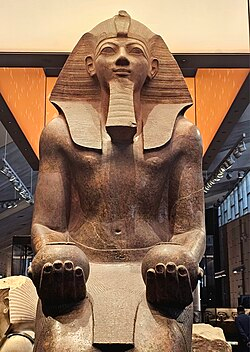
The crown jewel of the museum is the complete Tutankhamun collection — over 5,000 artifacts displayed together for the first time since the tomb’s discovery in 1922. This unprecedented exhibition includes the iconic golden funerary mask, ornate jewelry, chariots, weapons, and the young pharaoh’s golden throne.
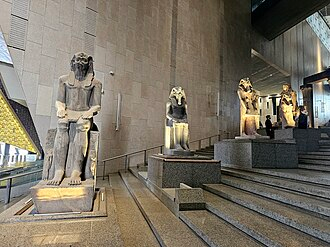
The museum’s 12 main galleries house approximately 100,000 artifacts spanning from prehistoric times through the Roman era, organized chronologically and thematically. Visitors are welcomed through the magnificent Grand Hall and Grand Staircase, featuring towering hieroglyphed columns, colossal pharaonic statues including the 11-meter-tall statue of Ramesses II, and panoramic views of the Giza Pyramids through glass walls.
In 2024, the GEM became the first museum in Africa and the Middle East to receive EDGE Advanced Green Building Certification from the International Finance Corporation. The museum’s innovative design reduces energy consumption by over 60% and water usage by 34% compared to similar facilities, thanks to features like reflective roofing, external shading, energy-efficient lighting, and smart monitoring systems.
The museum also houses one of the world’s most extensive conservation facilities — 19 specialized laboratories connected to the main building via a 200-meter underground tunnel. These state-of-the-art labs are dedicated to preserving everything from fragile papyri to mummies, ensuring that Egypt’s ancient treasures are protected for future generations.
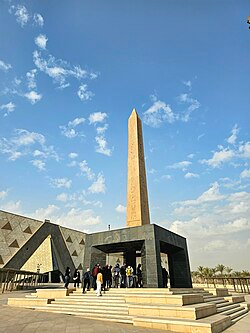
The November 1 opening ceremony was nothing short of spectacular. World leaders including King Felipe VI of Spain, King Philippe of Belgium, Queen Rania of Jordan, and representatives from 79 international delegations attended the lavish event. The evening featured elaborate performances with dancers in pharaonic costumes, an original orchestral composition by renowned Egyptian composer Hesham Nazih, laser shows depicting ancient Egyptian scenes, and drone displays creating the image of Tutankhamun’s funerary mask in the night sky above the museum.
Egyptian President el-Sisi declared Saturday, November 1, a national holiday, and the government issued commemorative gold and silver coins along with special postage stamps to mark the occasion.
The opening of the GEM is central to Egypt’s strategy to revitalize its vital tourism sector. The country welcomed 15 million visitors in the first nine months of 2025, generating $12.5 billion in revenue — a 21% increase from the previous year. Egyptian officials have set an ambitious goal of attracting 30 million tourists annually by 2030, and the GEM is expected to be a major catalyst in achieving this target.
The museum aims to welcome up to five million visitors each year. Its strategic location near the Pyramids of Giza, enhanced accessibility through a new metro station and the nearby Sphinx International Airport, and a pedestrian bridge connecting the museum directly to the pyramids make it an integrated destination for tourists seeking to experience ancient Egypt’s greatest wonders.
The Grand Egyptian Museum is now open to the public daily, with tickets available for booking online. The entrance fee for adult international visitors is 1,450 Egyptian pounds (approximately €30 / $32). The museum offers a full-day experience with guided tours, interactive exhibitions, landscaped gardens, retail shops, and dining options featuring local cuisine.
The facility is easily accessible from Cairo International Airport (approximately 50 minutes by car) and downtown Cairo via taxi, private transfers, or organized tours. The new Sphinx International Airport, located 40 minutes from the museum, provides additional convenient access for international visitors.
As President el-Sisi eloquently stated during the opening ceremony, the Grand Egyptian Museum is “a living testimony to the genius of the Egyptian human, who built the pyramids and inscribed on the walls the story of immortality.” This extraordinary institution not only preserves the past but also bridges ancient wisdom with modern innovation, creating an experience that honors Egypt’s unparalleled cultural legacy while looking firmly toward the future.
For travelers planning their Egyptian adventure, the Grand Egyptian Museum represents an unmissable addition to any itinerary — a world-class facility that brings together the complete story of one of humanity’s greatest civilizations under one magnificent roof.
For more information and to book your visit:
Contact our DMC team to incorporate the Grand Egyptian Museum into your customized Egypt travel packages and multi-country itineraries.