
Luxor Temple tours offer an unforgettable journey into ancient Egypt’s most iconic monuments. At Axis DMC Jordan, we specialize in creating seamless travel experiences that bring the wonders of Luxor Temple to life for travelers and groups from around the world.The Luxor Temple is one of Egypt’s most iconic ancient monuments—an open-air masterpiece that stands proudly at the heart of modern Luxor. Unlike many other temples dedicated to specific gods, the Luxor Temple was built to celebrate the concept of kingship itself. It was here that pharaohs were crowned, rituals of renewal were performed, and ancient ceremonies linked earthly rule with divine power. Walking through its colossal columns and exquisitely carved walls feels like stepping into a living story of Ancient Egypt, where every stone holds layers of history, spirituality, and architectural brilliance.
The Luxor Temple was constructed over hundreds of years by several pharaohs, each adding their own artistic and symbolic touches. The foundation began under Amenhotep III in the 14th century BC, whose reign brought prosperity and monumental building projects. Later, Ramses II expanded the temple significantly, adding the huge entrance pylon and many of the iconic statues that still stand today. Even after the pharaonic era, the temple continued to evolve—Romans transformed parts of it into a military camp and even built a chapel inside, while early Christians repurposed some rooms into a church. This blend of eras makes the Luxor Temple a rare historical layer cake, reflecting thousands of years of cultural transformation.
The Luxor Temple was not a funerary temple or a place for daily worship in the usual sense. Instead, it was the center of the Opet Festival, one of ancient Egypt’s most important religious celebrations. During this annual event, statues of the gods Amun, Mut, and Khonsu were carried from Karnak Temple to Luxor Temple along the grand Avenue of Sphinxes. This symbolic journey represented renewal, rebirth, and the strengthening of the pharaoh’s divine connection. Today, visitors can walk along restored sections of this ancient route—over 2.7 km long—imagining the colorful processions that once filled it.
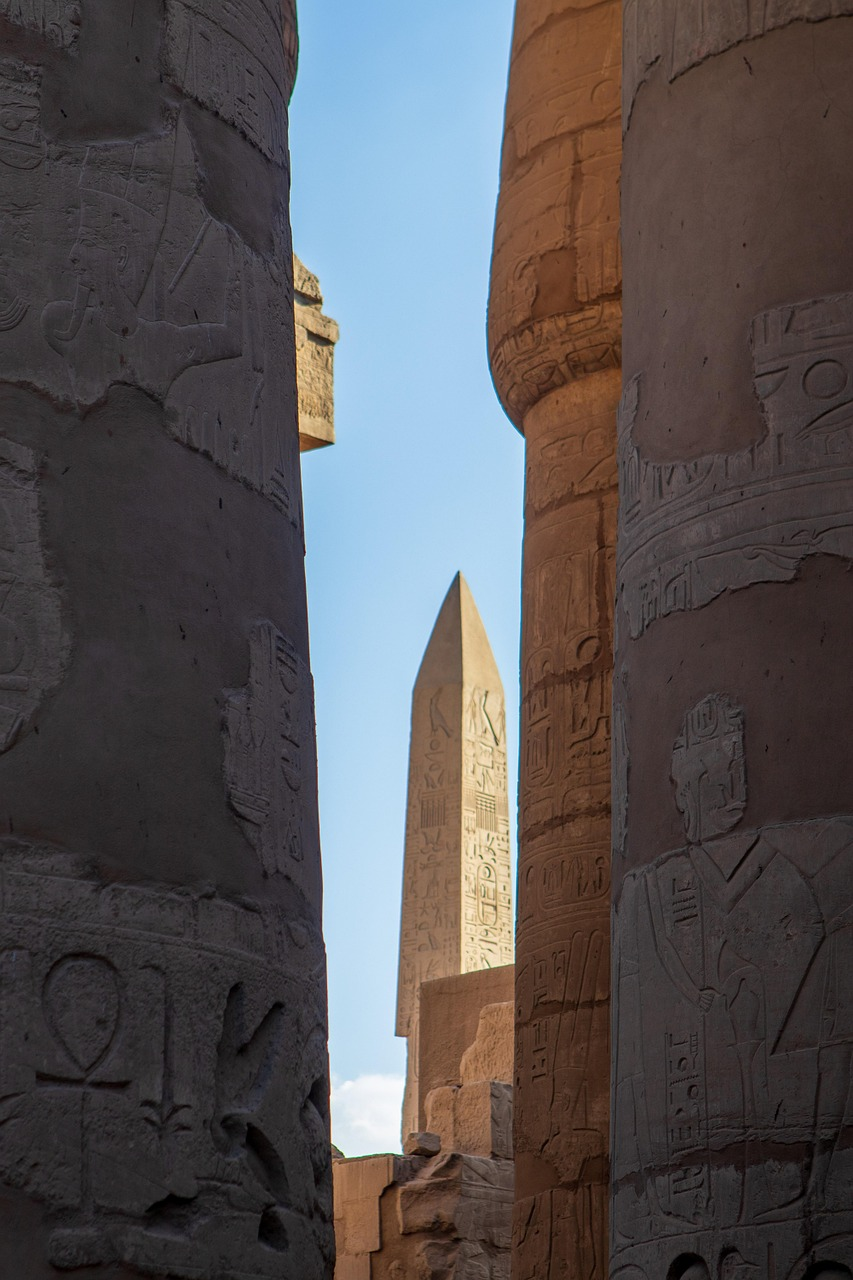
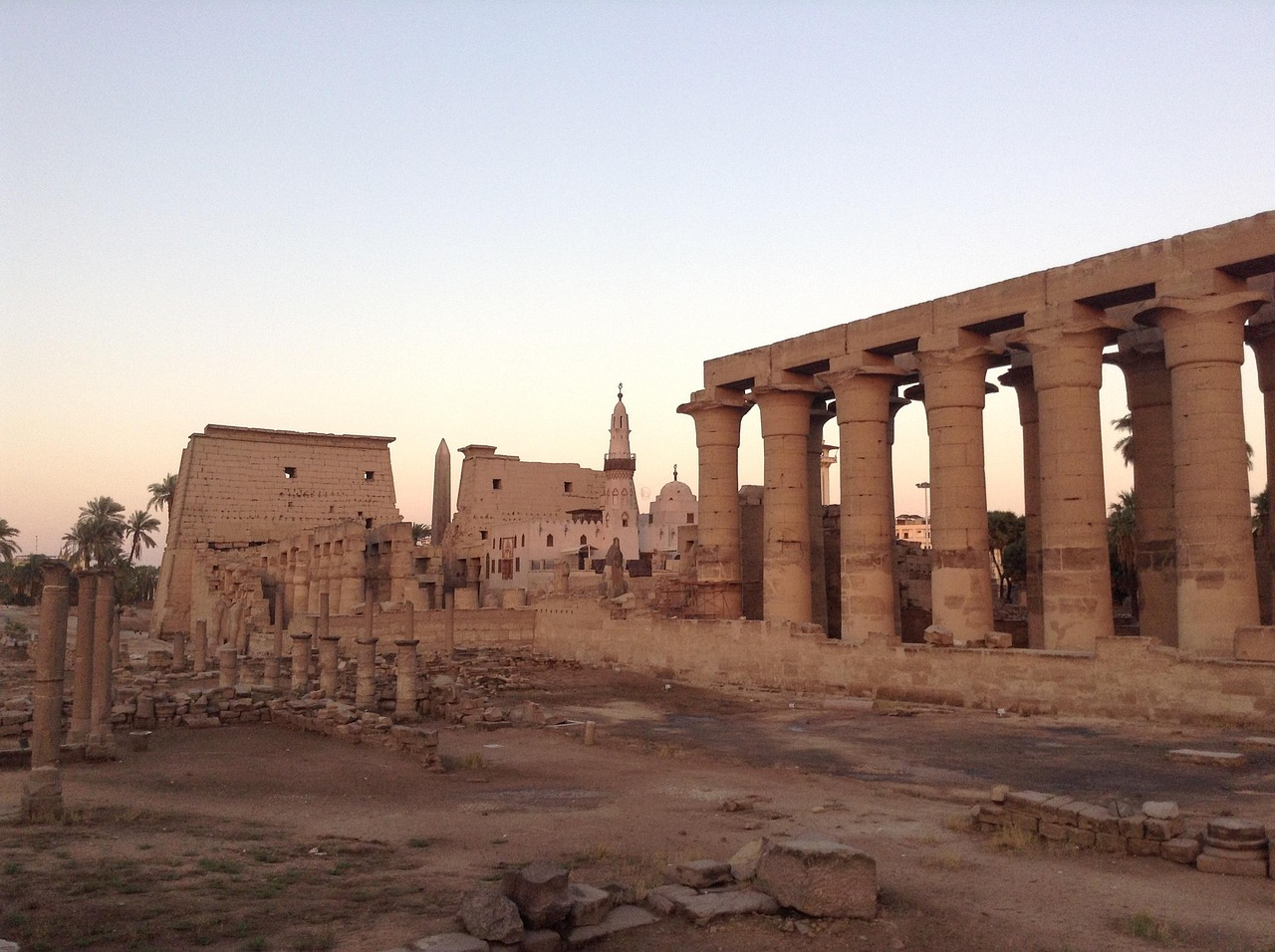
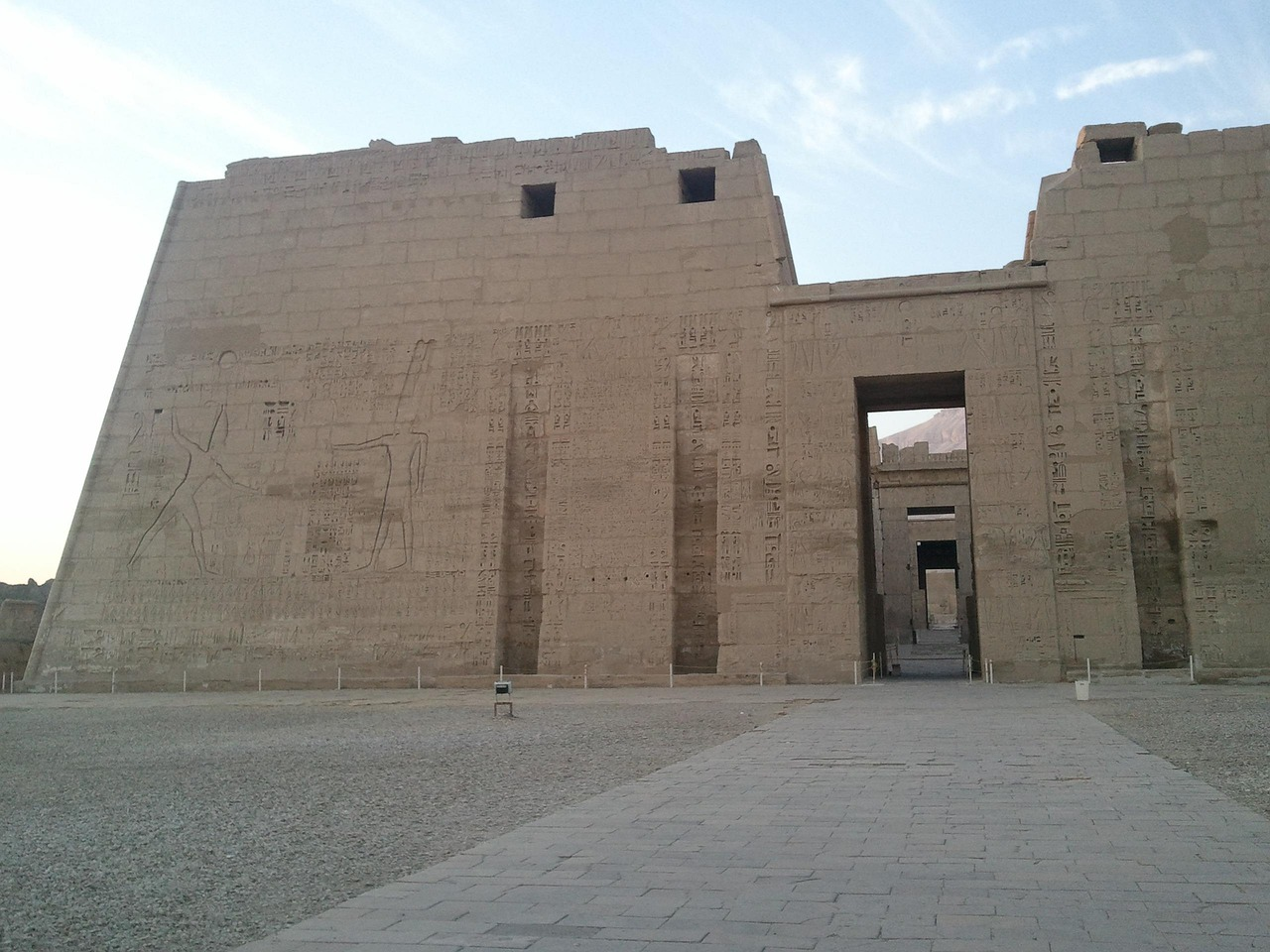
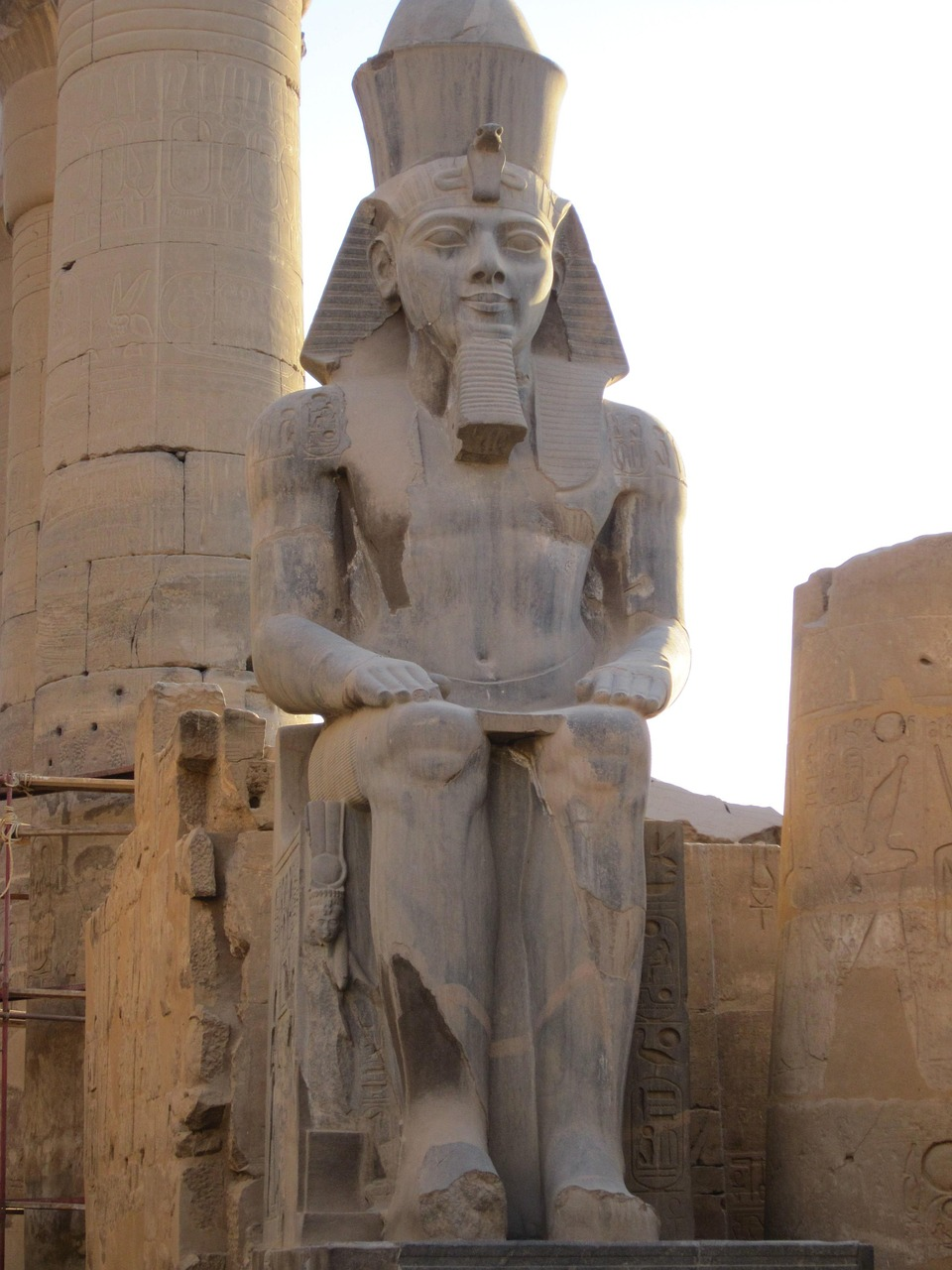
The massive pylon at the entrance is one of the temple’s most photographed features. Flanking the gateway are towering seated statues of Ramses II and a single remaining obelisk—it once had a pair, but the second obelisk now stands in the Place de la Concorde in Paris. The walls are covered with scenes of military victories and pharaonic triumph.
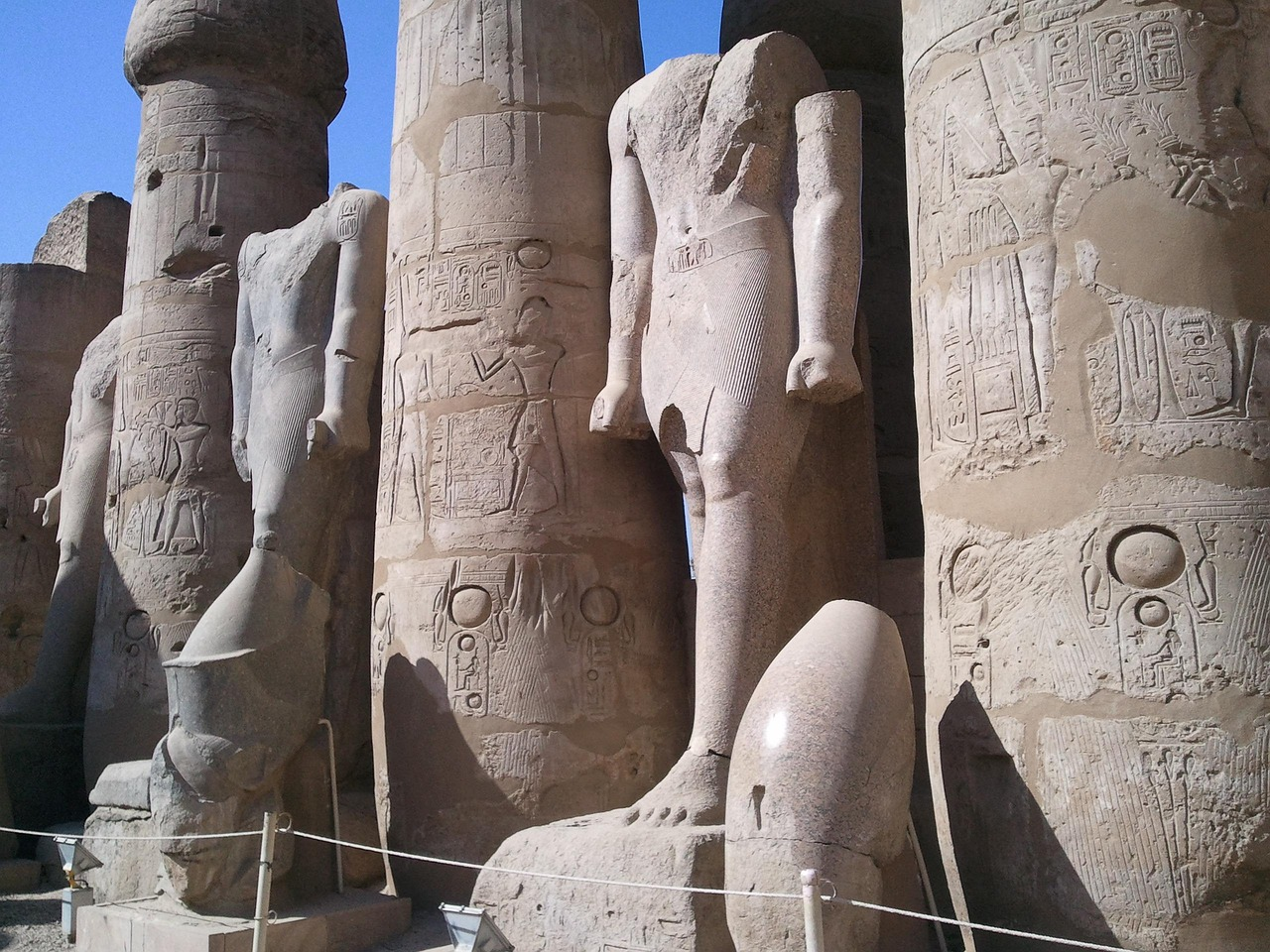
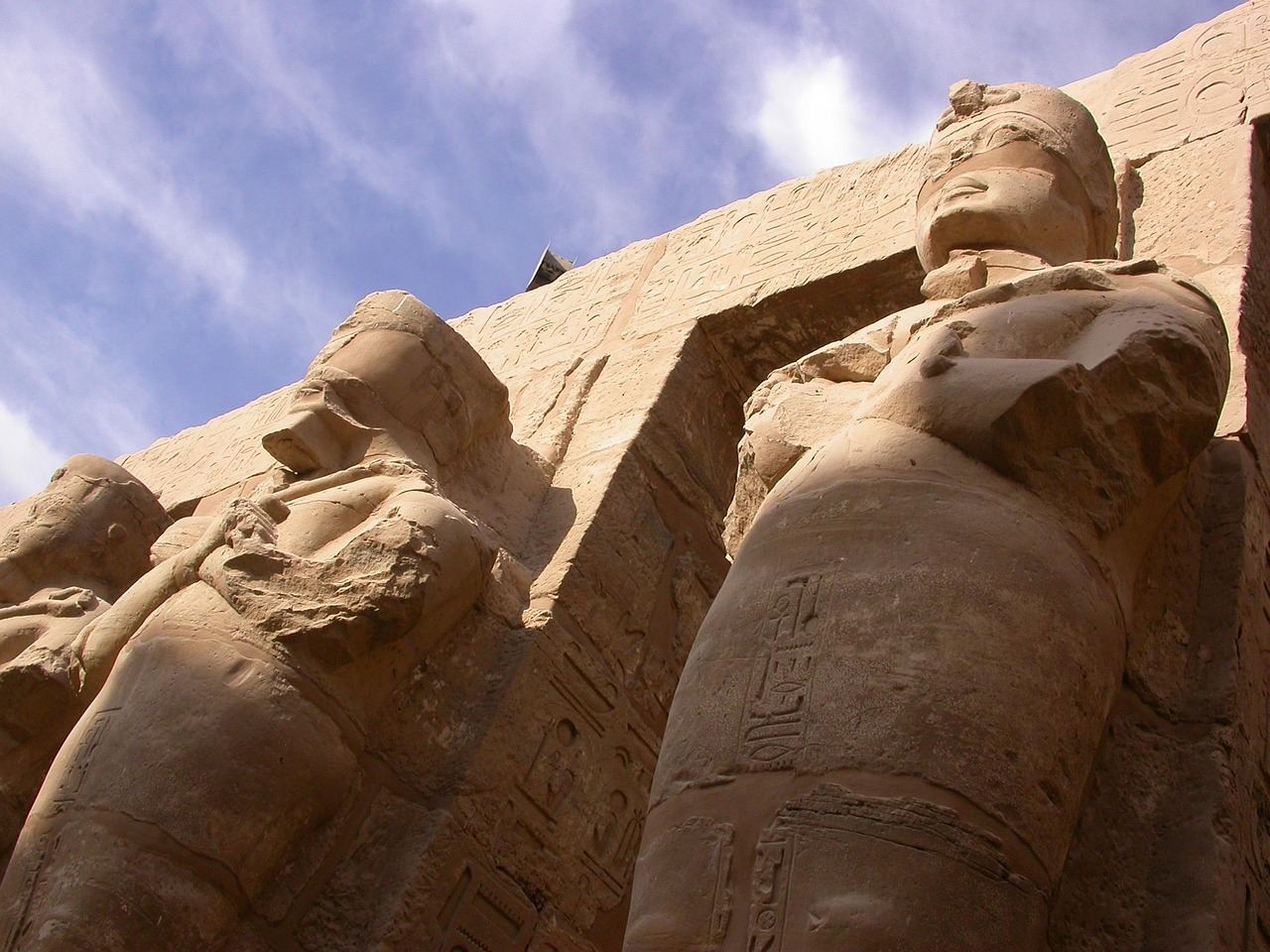
Stepping inside, visitors enter a wide courtyard surrounded by papyrus-shaped columns and lined with more statues of Ramses II. Each carving reflects the might and grandeur of Egypt’s most celebrated pharaoh.
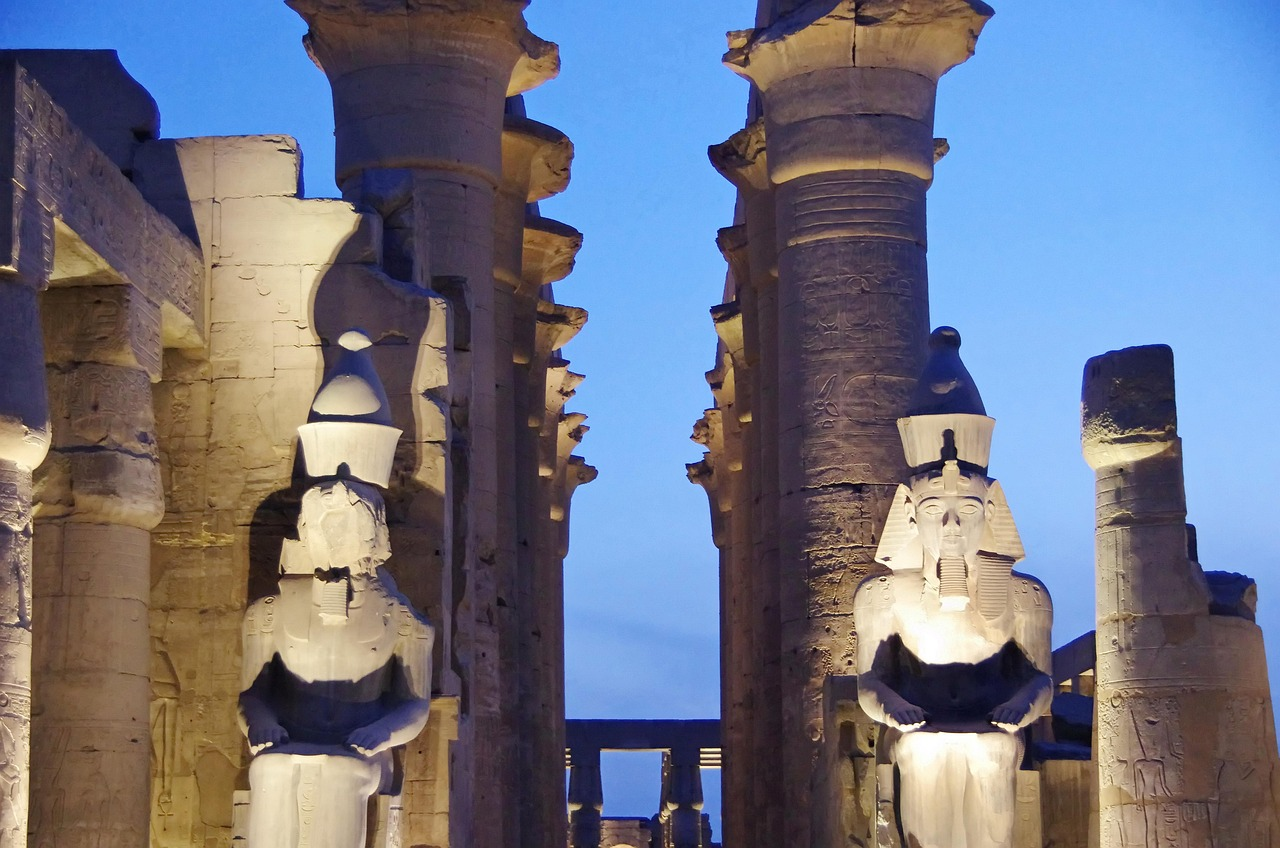
This stunning corridor of colossal 14-meter-high columns forms one of the most breathtaking architectural features of the temple. The reliefs here illustrate the Opet Festival in rich detail—dancers, musicians, priests, and offerings, all celebrating life and divine renewal.
Beyond the colonnade lies a grand courtyard where religious ceremonies were once held. Surrounded by elegant columns and walls depicting pharaohs making offerings to the gods, this area provides a serene atmosphere that contrasts beautifully with the busy outer courts.
One of the temple’s unique features is the sanctuary depicting the divine birth of Amenhotep III. The detailed carvings narrate how the god Amun fathered the pharaoh—a symbolic story used to legitimize royal power.
At the heart of the temple lies the sanctuary, restored and rebuilt during various periods, including Roman times. It once housed the sacred barque of Amun during festivals.
One of the most magical ways to experience the Luxor Temple is after sunset. Soft golden lighting illuminates the towering columns, creating an unforgettable atmosphere where shadows dance across ancient hieroglyphs. The night visit offers a different perspective—calmer, quieter, and deeply immersive.
What makes the Luxor Temple especially fascinating is its setting—it sits right in the modern city center. As you explore the ruins, the sounds of today mix with whispers from the past. The temple’s layers of history, from ancient Egyptian to Roman to Islamic, tell the story of a place that has always remained a focal point of human life.