Aswan High Dam – Egypt’s Modern Engineering Marvel
The Aswan High Dam stands as one of the most significant engineering achievements of the 20th century and a defining landmark of modern Egypt. Built across the powerful Nile River at Aswan, this monumental structure reshaped the country’s agriculture, economy, and way of life. More than just a dam, it is a symbol of national pride, technological progress, and the long-standing relationship between Egypt and the Nile.
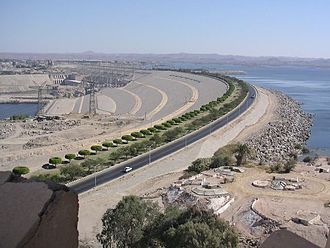
Rising to a height of 111 meters and extending nearly 4 kilometers in length, the Aswan High Dam was constructed between 1960 and 1971 to control the annual flooding of the Nile—floods that, for thousands of years, shaped Egypt’s fertile land but also brought destruction and unpredictability. With the dam in place, Egypt gained the ability to regulate the river’s flow year-round, ensuring stable irrigation, improved agricultural productivity, and protection for millions of people living along the Nile Valley.
One of the dam’s most remarkable achievements is the creation of Lake Nasser, one of the world’s largest man-made lakes. Stretching over 500 kilometers into southern Egypt and northern Sudan, Lake Nasser acts as a massive water reservoir, securing Egypt’s water needs during dry years and supporting fishing, tourism, and local ecosystems. The lake’s formation also led to one of history’s largest archaeological relocation projects, saving temples such as Abu Simbel and Philae from submersion—an international effort led by UNESCO.
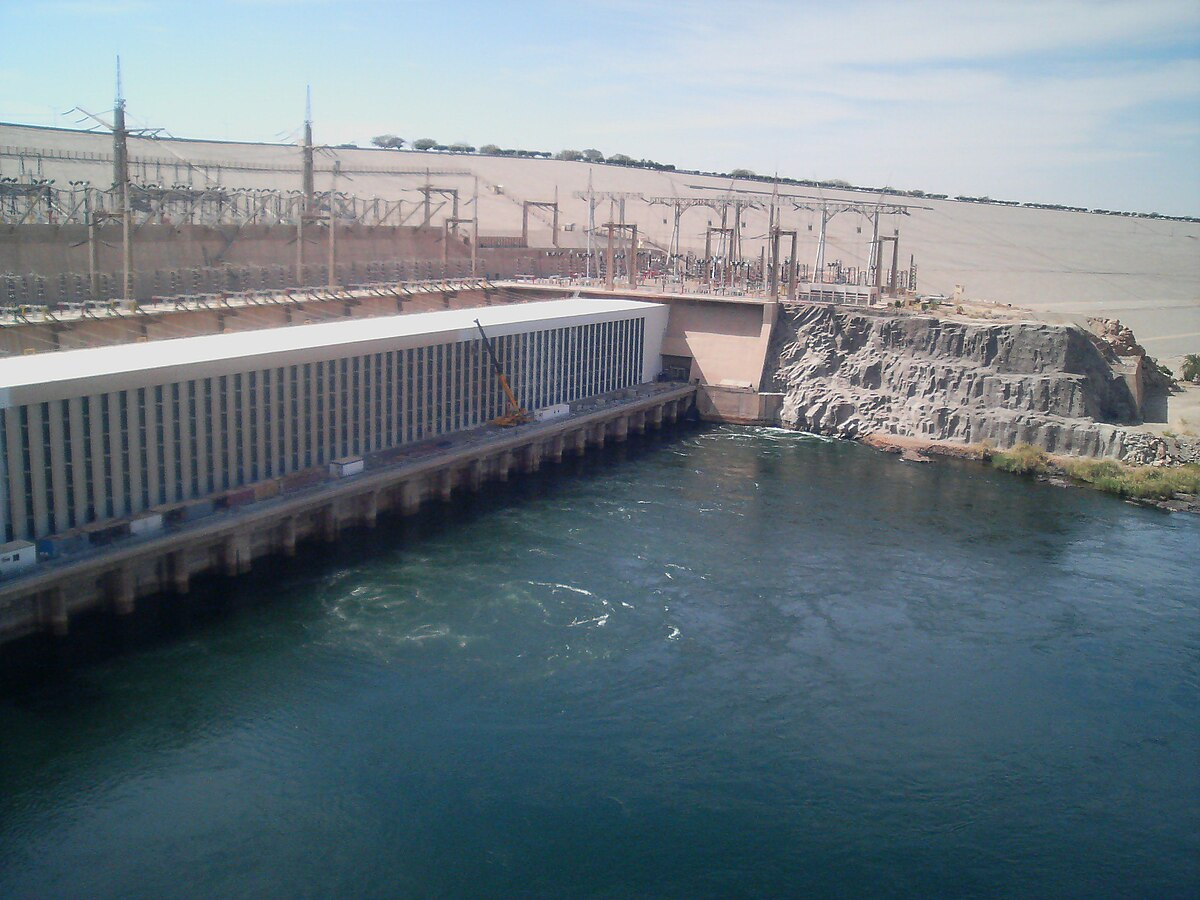
The Aswan High Dam is equally famous for its role in generating hydroelectric power. At the time of its completion, the dam produced a significant portion of Egypt’s electricity, helping electrify rural areas and drive industrial development. Today, its 12 turbines continue to supply renewable energy that supports homes, businesses, and infrastructure across the country.
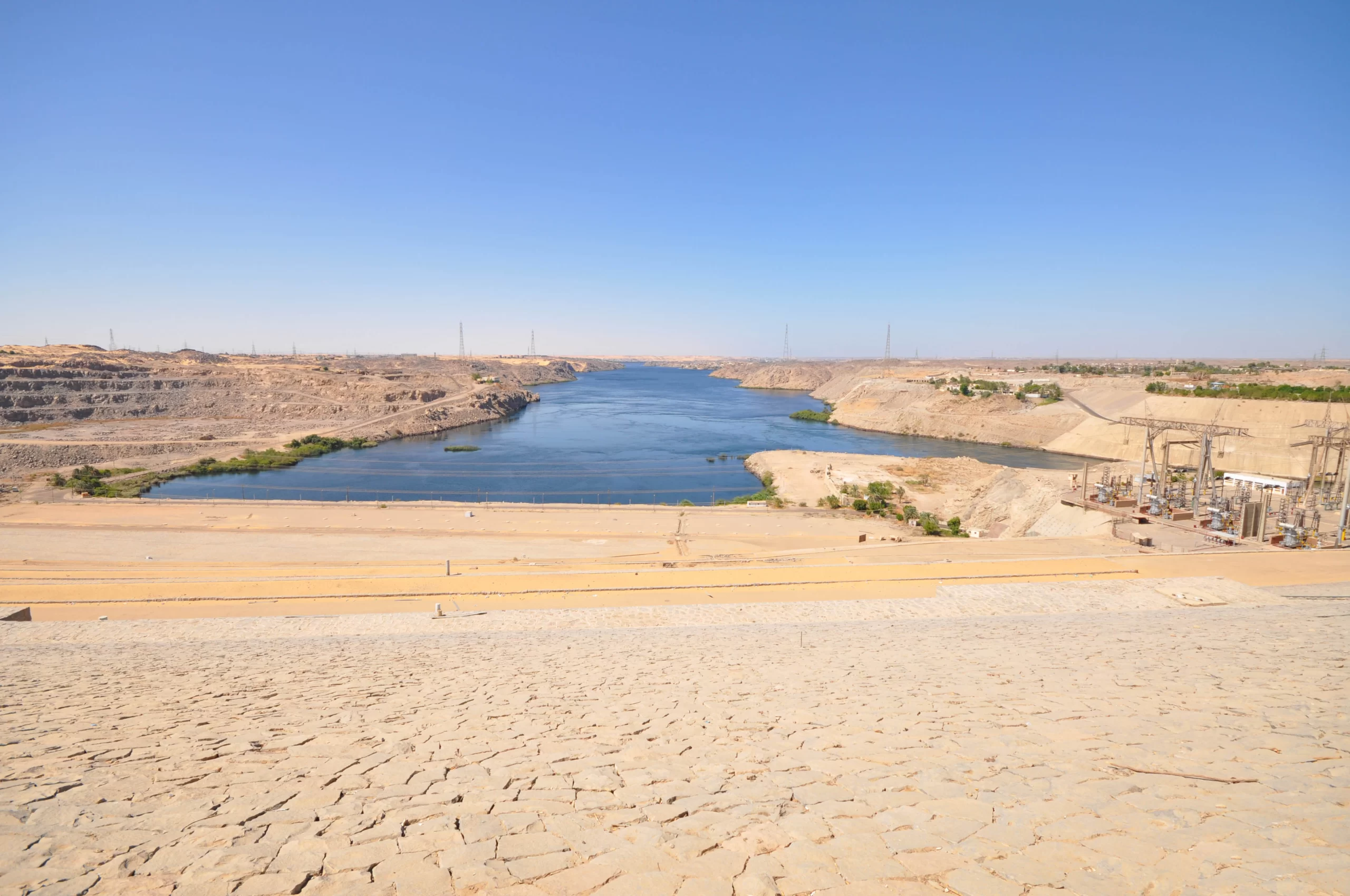
Visitors touring the dam are often struck by its massive scale and the stunning contrast of engineering against the natural desert landscape. The panoramic views of Lake Nasser, the surrounding granite cliffs, and the Nile flowing beneath highlight both the dam’s beauty and its strategic importance. A visit typically includes stops at the Soviet-Egyptian Friendship Monument, built to commemorate cooperation during the dam’s construction, as well as viewing platforms offering scenic lookouts over the Nile and the lake.
But the Aswan High Dam is more than just a technological triumph—it is a chapter of Egypt’s modern history. It represents a time of transformation, ambition, and nation-building. While the project brought challenges, including the relocation of Nubian communities and changes to the natural silt patterns of the Nile, its benefits in flood control, irrigation stability, and energy production have had a lasting impact on Egypt’s growth and resilience.
Today, the Aswan High Dam remains a must-visit site for travelers exploring southern Egypt. Whether you are fascinated by engineering marvels, interested in modern history, or simply captivated by dramatic Nile landscapes, the dam offers a unique perspective on how human ingenuity has shaped Egypt’s present and future.