
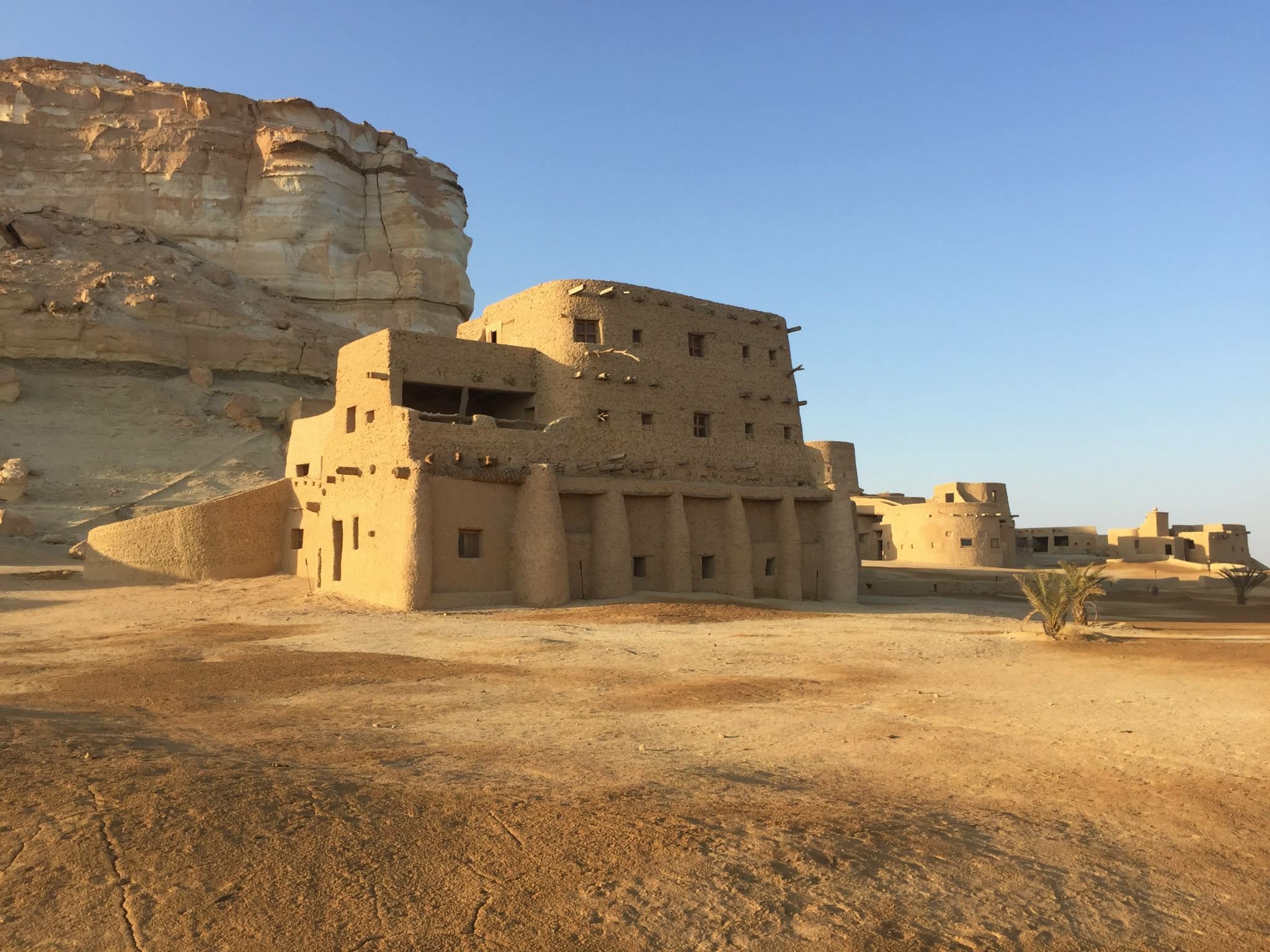
Siwa Oasis is one of Egypt’s most enchanting and remote destinations, offering a rare blend of natural beauty, ancient history, and rich cultural heritage. Located about 750 kilometers west of Cairo near the Libyan border, Siwa lies deep within the Western Desert, surrounded by endless sand dunes and shimmering salt lakes. Known for its peaceful atmosphere and unique traditions, Siwa provides a completely different experience from Egypt’s bustling cities and famous Nile monuments.
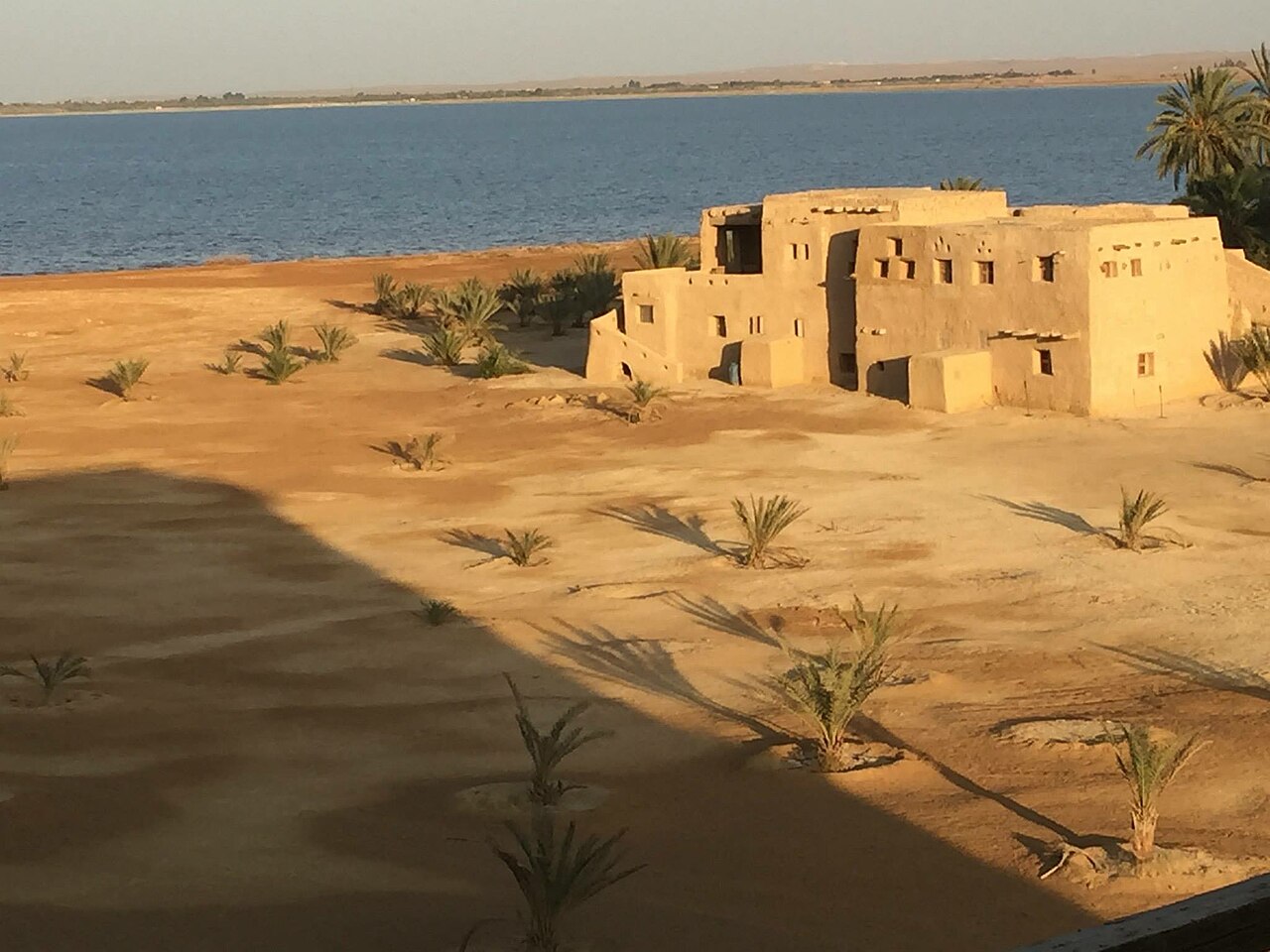
Siwa is famous for its breathtaking landscapes. The oasis is dotted with palm groves, olive trees, freshwater springs, and vast salt lakes that reflect the sky like mirrors. Beyond the greenery rise the Great Sand Sea’s golden dunes, some of the highest in Egypt, creating dramatic desert scenery perfect for adventure and photography.
The combination of water, sand, and greenery makes Siwa feel like a natural sanctuary in the heart of the desert.
Siwa has been inhabited for thousands of years and played an important role in ancient times. The most famous historical site is the Temple of the Oracle of Amun, where Alexander the Great visited in 331 BC. According to historical accounts, the oracle confirmed him as the son of the god Amun, strengthening his claim to rule Egypt.
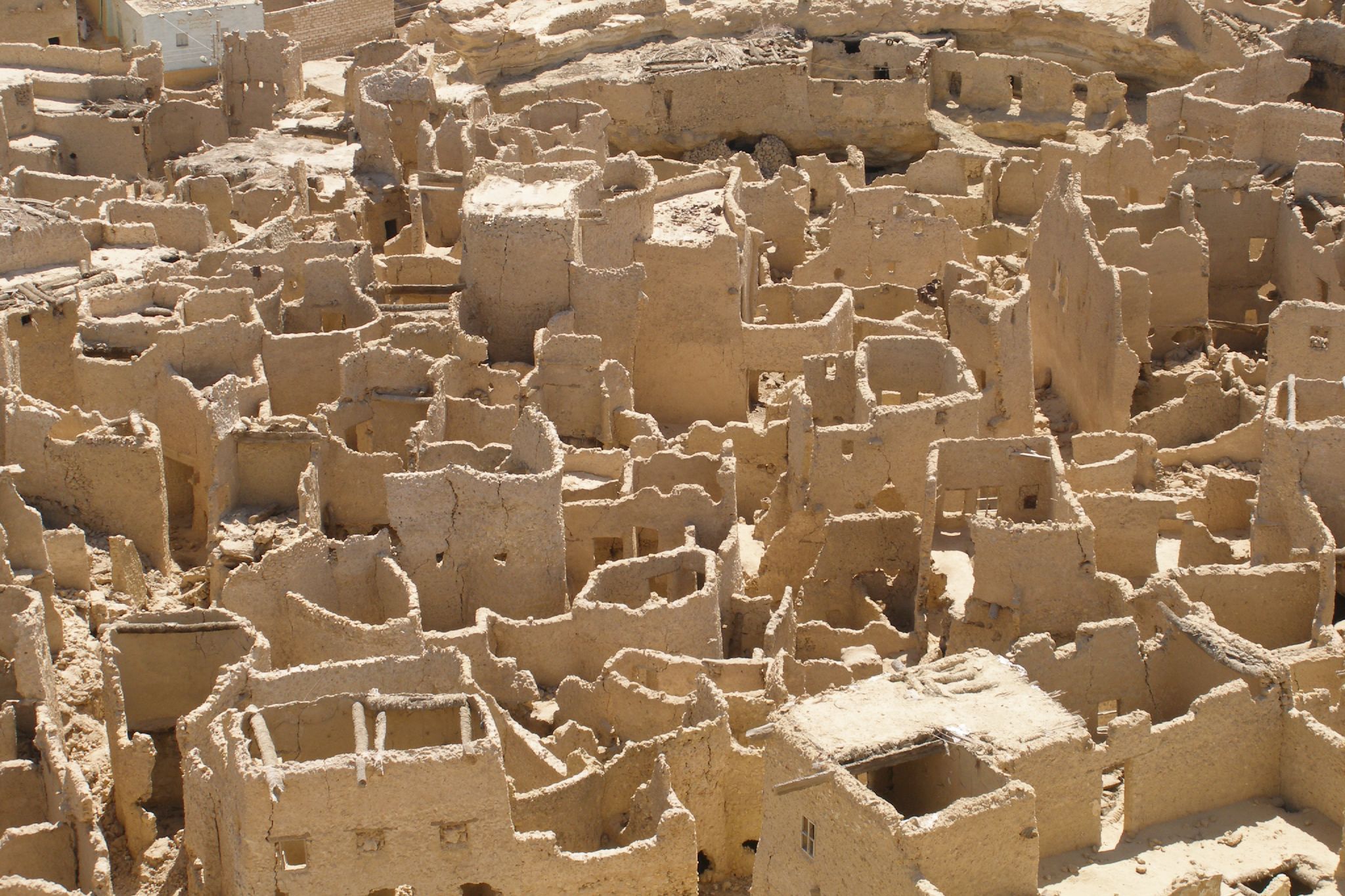
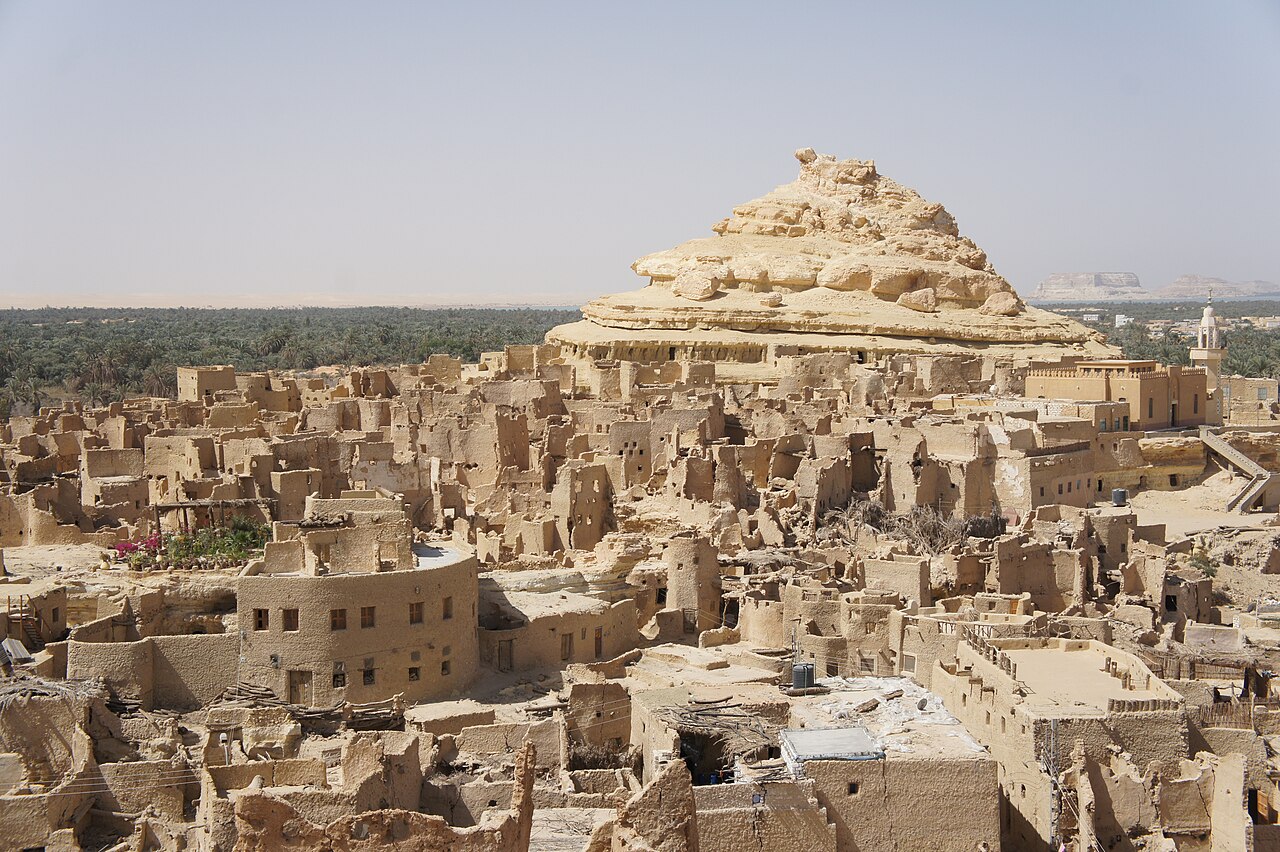
Other important historical landmarks include the Mountain of the Dead (Gebel al-Mawta), which contains rock-cut tombs dating back to the Pharaonic, Greek, and Roman periods, and the ruins of Shali Fortress, a mud-brick citadel built in the 13th century that once protected the oasis from invaders.
Siwa is home to a distinct Amazigh (Berber) community with its own language, customs, traditional dress, and architecture. The local culture has remained preserved for centuries due to the oasis’s isolation.
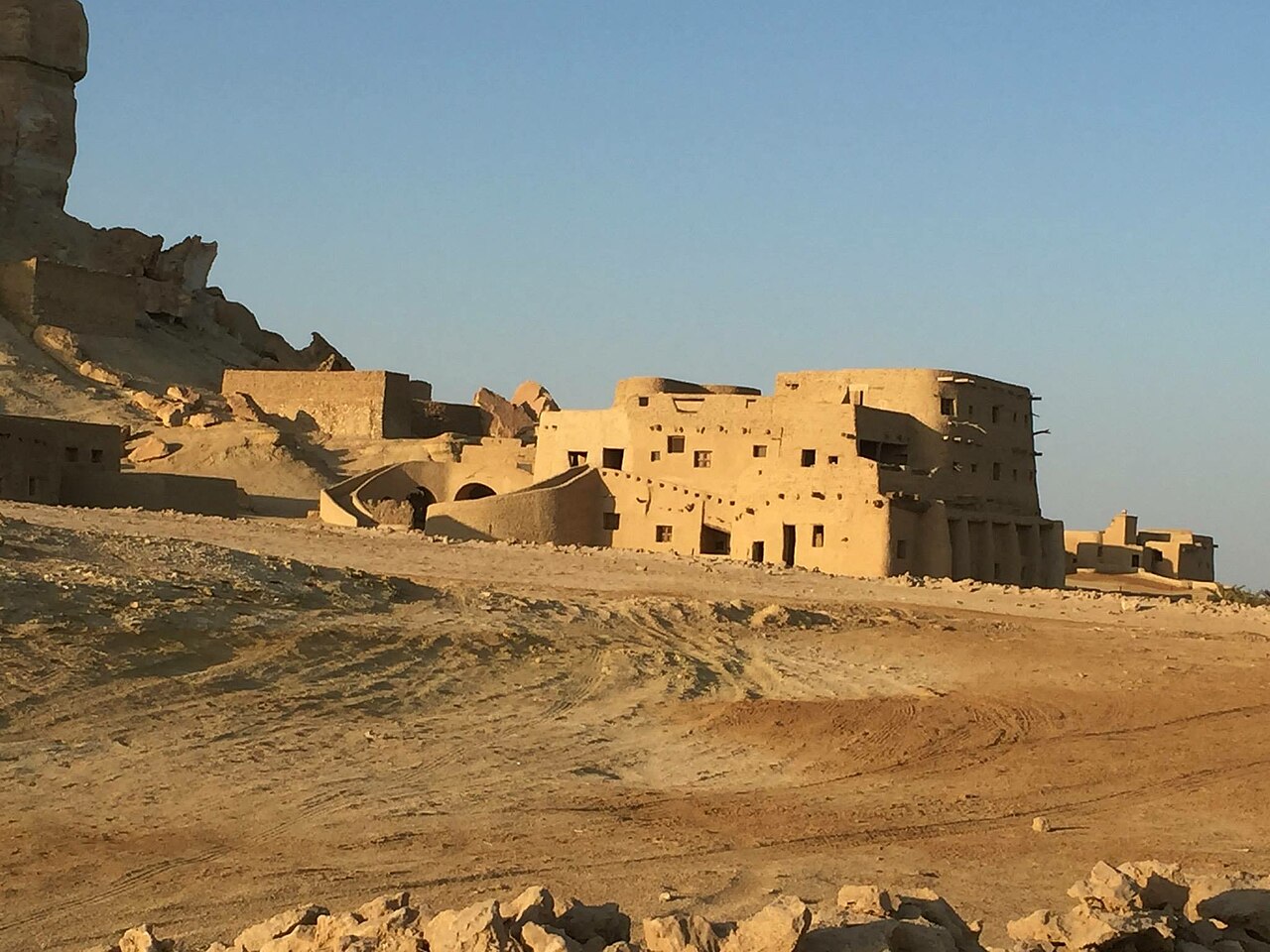
Traditional Siwan houses are built from a local material called “kershef,” made of salt, mud, and clay. Handicrafts such as silver jewelry, embroidery, and woven baskets are important parts of the local economy and reflect the artistic heritage of the community.
One of the most relaxing experiences in Siwa is swimming in its natural freshwater springs. Cleopatra’s Spring is the most famous, where visitors can bathe in crystal-clear water surrounded by palm trees.
The salt lakes are another highlight. The high salt concentration allows visitors to float effortlessly, similar to the Dead Sea. The turquoise color of the lakes against the desert backdrop creates an unforgettable scene.
For adventure seekers, Siwa offers thrilling desert activities. 4×4 safaris across the Great Sand Sea include sandboarding, dune bashing, and visits to hot and cold desert springs. Watching the sunset from the dunes is one of the most magical moments in Siwa, as the sky turns shades of orange and pink over the endless sands.
Camping under the stars in the desert provides a peaceful and unforgettable experience far from modern noise.
The best time to visit Siwa Oasis is between October and April, when temperatures are mild and suitable for sightseeing and desert activities. Summers can be extremely hot, making outdoor exploration more challenging.
Siwa Oasis is perfect for travelers seeking tranquility, authenticity, and natural beauty. It offers:
A unique blend of history and nature
Stunning desert landscapes
Authentic Amazigh culture
Relaxation in natural springs and salt lakes
Exciting desert adventures
Siwa is not just a destination — it is an experience of silence, simplicity, and connection with nature and heritage. For those looking to explore a different side of Egypt beyond the pyramids and temples, Siwa Oasis is truly unforgettable.