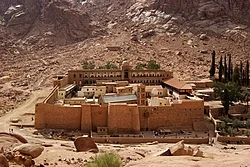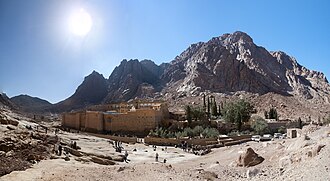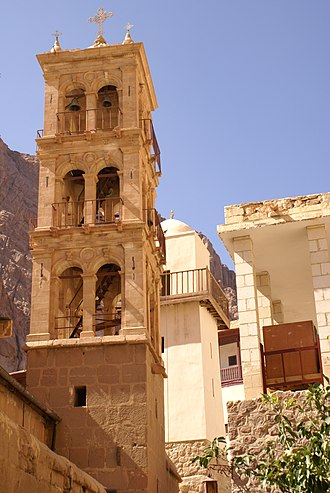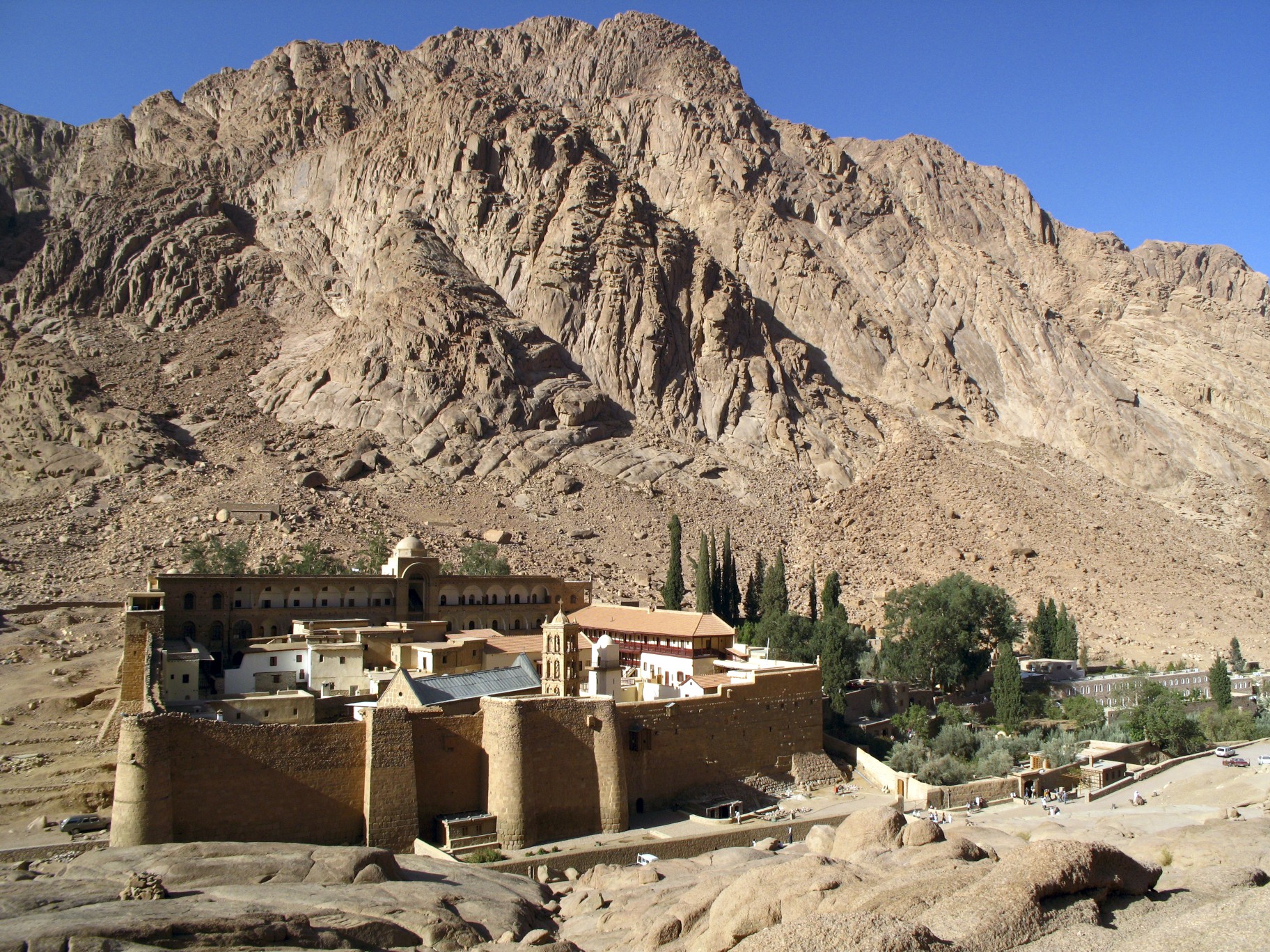

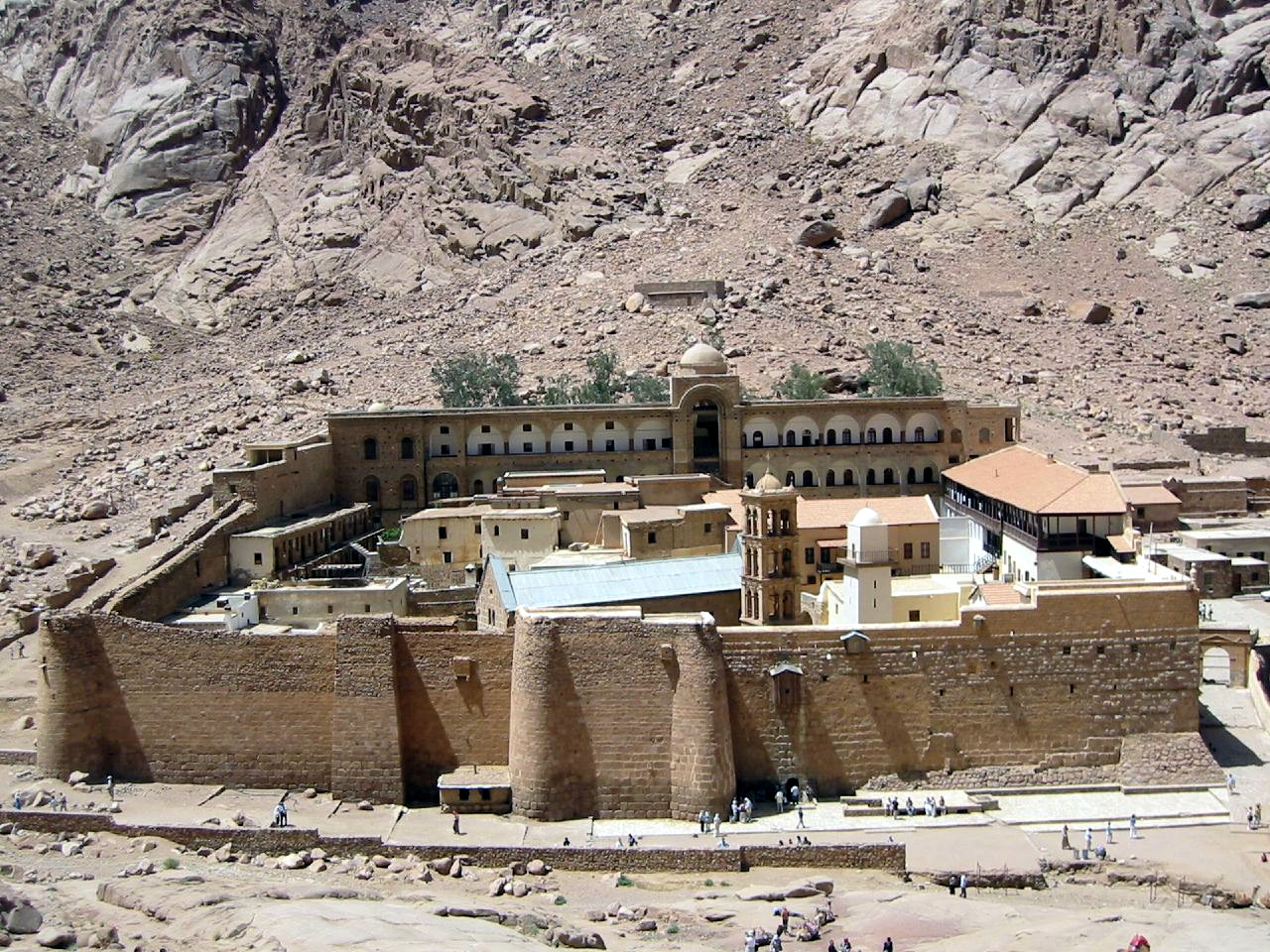
Nestled at the foot of Mount Sinai in Egypt’s South Sinai Peninsula, Saint Catherine’s Monastery is one of the world’s oldest continuously functioning Christian monasteries. Surrounded by dramatic granite mountains and desert silence, this UNESCO World Heritage Site holds profound religious, historical, and cultural significance.
Built in the 6th century during the reign of the Byzantine Emperor Justinian I, the monastery stands on the traditional site of the Biblical Burning Bush, where Moses is believed to have received God’s message. For centuries, it has been a place of pilgrimage for Christians, Muslims, and Jews alike.
Founded between 548 and 565 AD, the monastery was constructed to protect the Chapel of the Burning Bush, which had been established earlier by Empress Helena, the mother of Emperor Constantine.
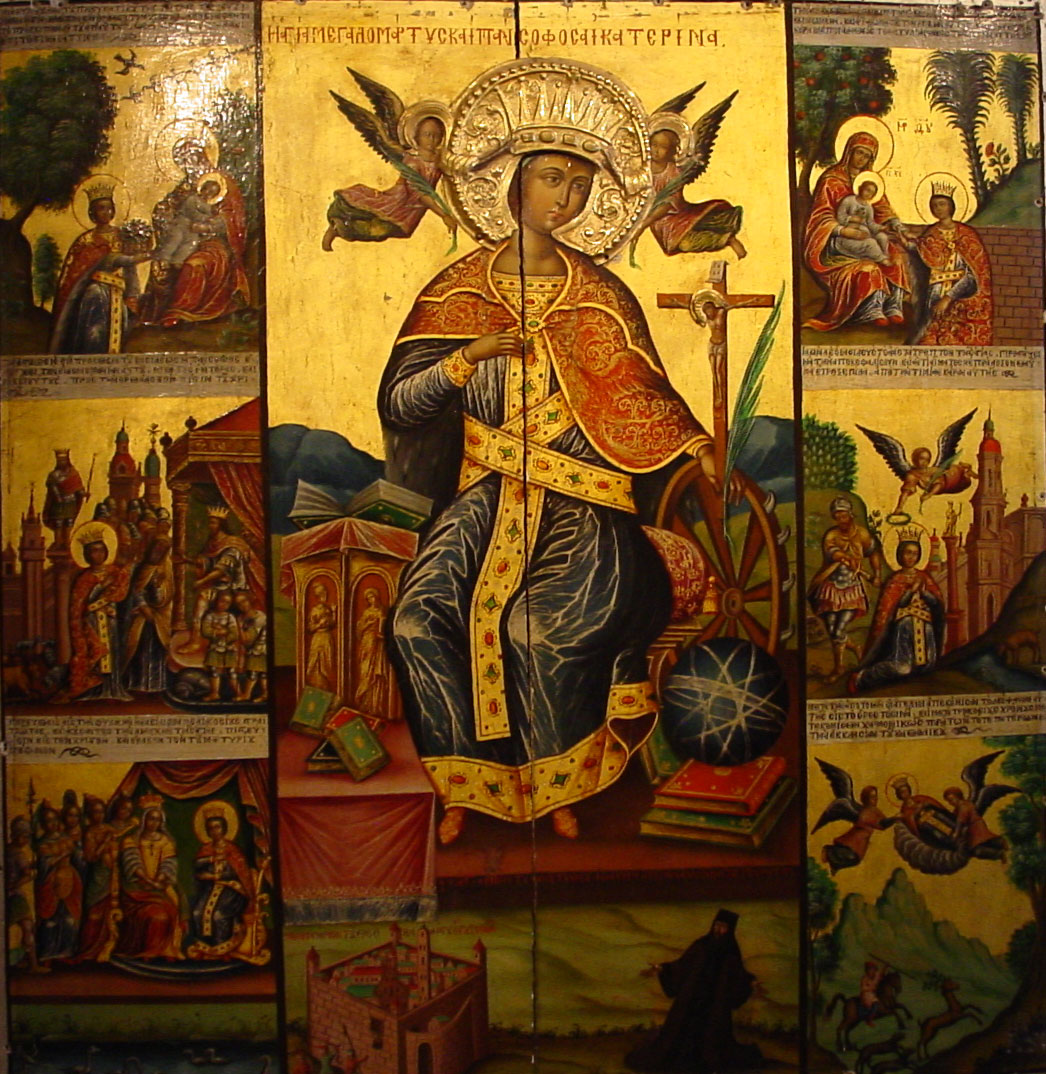
Originally called the Monastery of the Transfiguration, it later became known as Saint Catherine’s Monastery after the relics of Saint Catherine of Alexandria were believed to have been miraculously transported to a nearby mountain. Her remains were later enshrined within the monastery church, attracting pilgrims from around the world.
Remarkably, the monastery has never been destroyed or abandoned, making it one of the oldest continuously operating monasteries in existence.
One of the monastery’s most sacred treasures is the Burning Bush, believed to be a descendant of the original bush described in the Book of Exodus. According to tradition, this is the place where God spoke to Moses.
The bush still grows within the monastery walls, drawing visitors who come to witness this powerful Biblical symbol.
At the heart of the monastery stands the Basilica of the Transfiguration, an architectural masterpiece from the Byzantine era. Inside, visitors can admire:
Ancient mosaics, including the famous 6th-century Transfiguration mosaic
Beautiful marble columns
Golden chandeliers
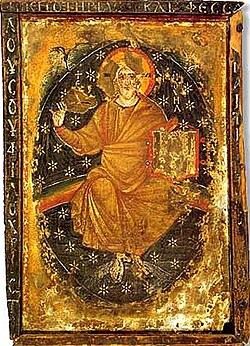
Sacred relics and icons
The church’s preserved artwork offers a rare glimpse into early Christian art and architecture.
Saint Catherine’s Monastery houses one of the oldest and most significant libraries in the world, second only to the Vatican in importance for early Christian manuscripts. The collection includes:
Thousands of ancient manuscripts
Early Biblical texts
Rare Greek, Syriac, Arabic, and Ethiopian writings
Historic religious documents
Among its treasures was the Codex Sinaiticus, one of the oldest known copies of the Bible.
An important and unique feature of the monastery is the presence of a small mosque within its walls, built during the Fatimid period. This reflects the long-standing coexistence and mutual respect between Christian and Muslim communities in the region.
Throughout history, local Bedouin tribes have protected and supported the monastery, strengthening its role as a symbol of peaceful coexistence.
The monastery is usually visited as part of a Sinai tour that often includes:
Mount Sinai sunrise hikes
Desert exploration in South Sinai
Visits to nearby valleys and natural landscapes
The ideal time to visit is between October and April, when temperatures are cooler and more comfortable for exploring the area and climbing Mount Sinai.
Saint Catherine’s Monastery is more than a historical site — it is a spiritual landmark that connects visitors to thousands of years of faith, tradition, and resilience. Whether you are drawn by religious devotion, historical curiosity, or the breathtaking beauty of Sinai’s mountains, this sacred monastery offers a truly unforgettable experience.