
Rising majestically from the golden sands near the shores of Lake Nasser, the Abu Simbel Temples stand as one of the greatest architectural achievements of ancient Egypt. Built over 3,200 years ago by Pharaoh Ramesses II, these colossal temples were not only expressions of royal power and devotion but also masterpieces of engineering and artistry that continue to astonish visitors from around the world.
Located in the far south of Egypt, near the border with Sudan, the complex consists of two monumental rock-cut temples: the Great Temple of Ramesses II and the smaller yet equally captivating Temple of Queen Nefertari, one of the few ancient temples dedicated to both a pharaoh’s wife and a goddess. Their remote desert setting, dramatic carvings, and remarkable astronomical alignment make Abu Simbel one of Egypt’s most iconic and unforgettable sites.
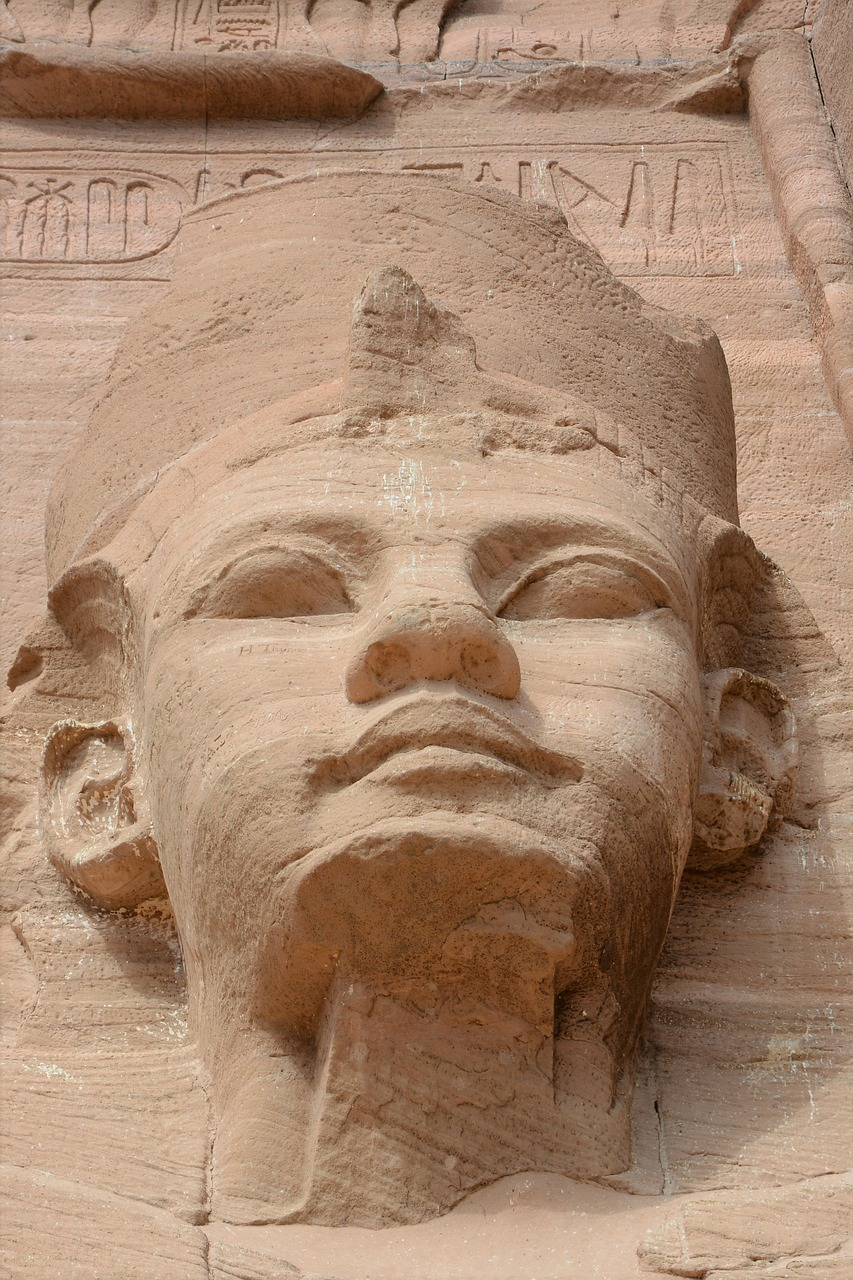
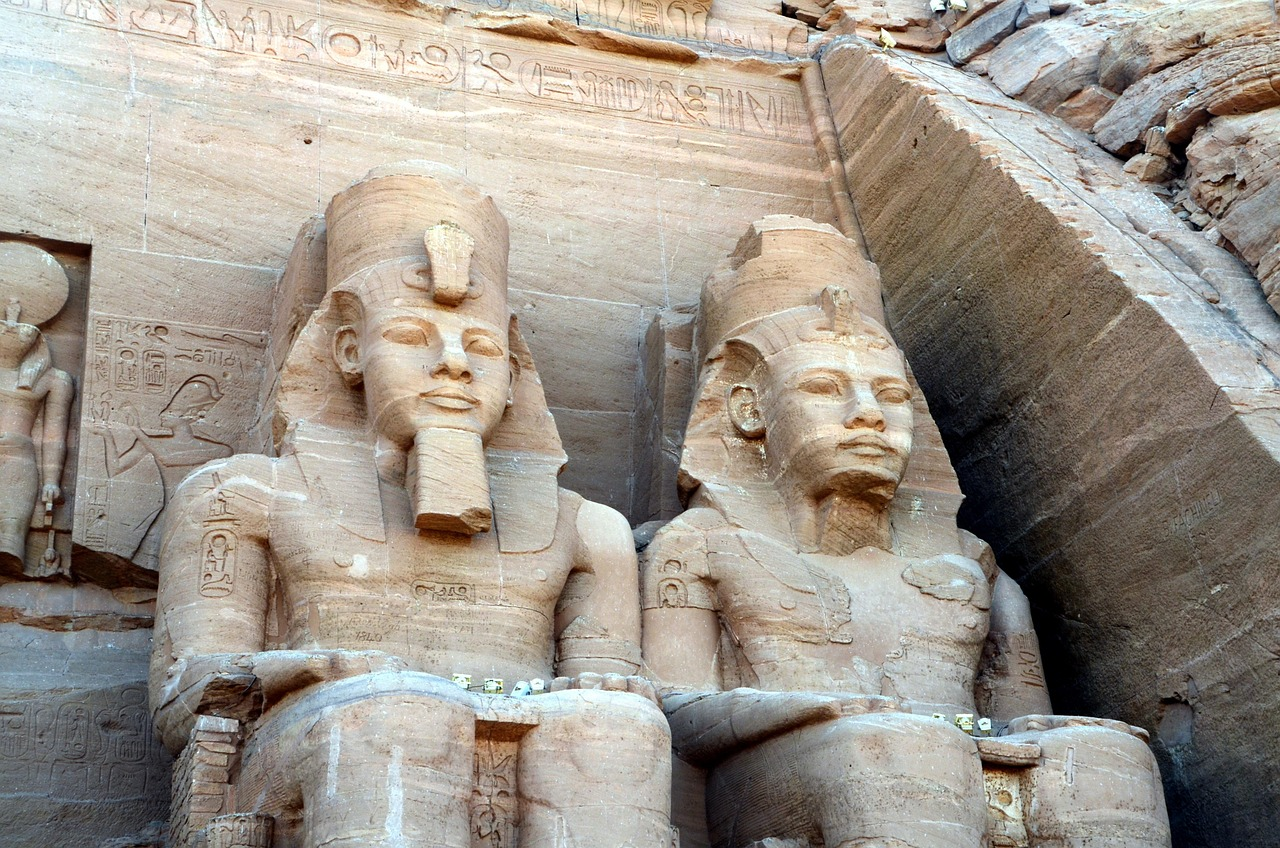
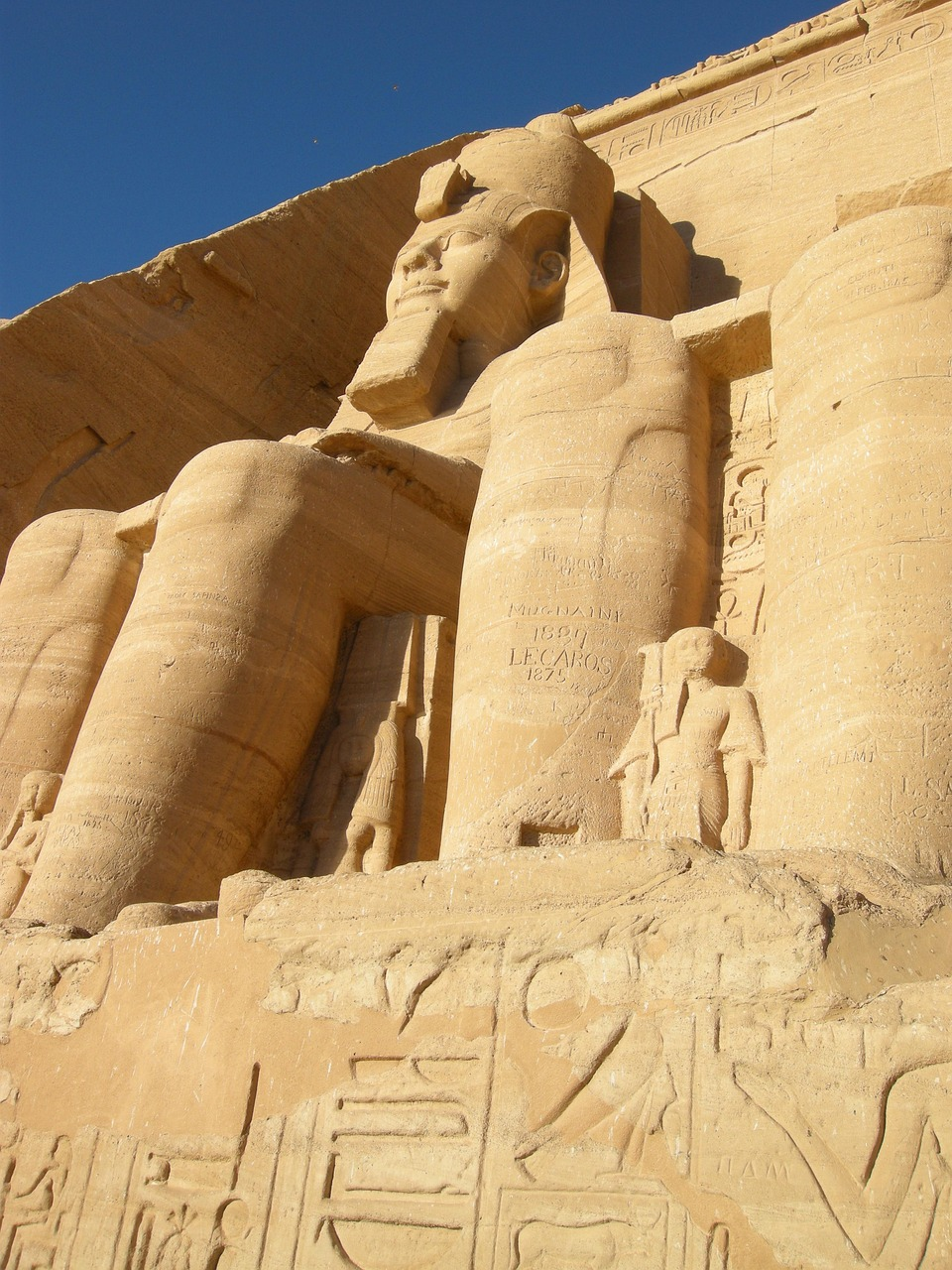
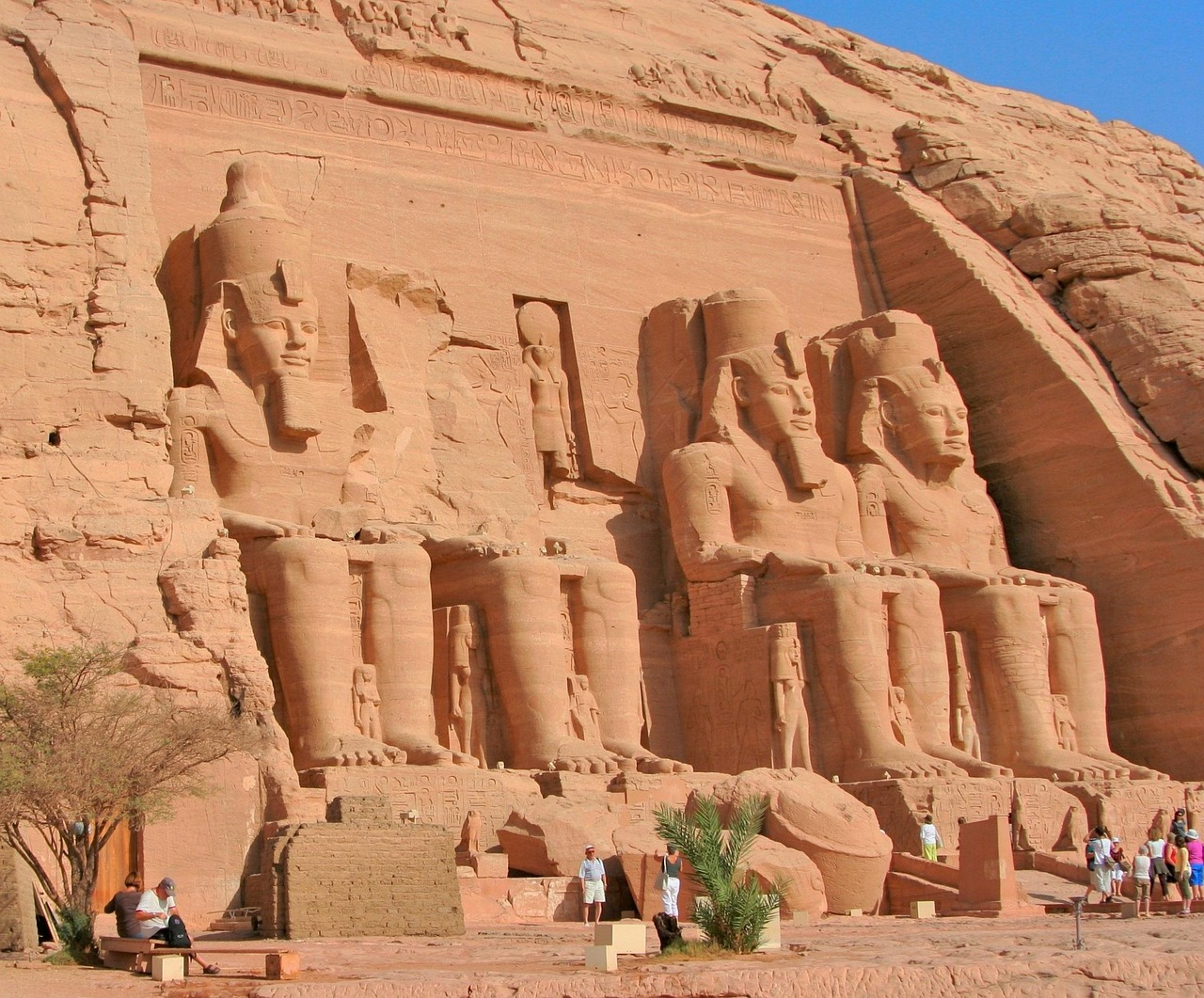
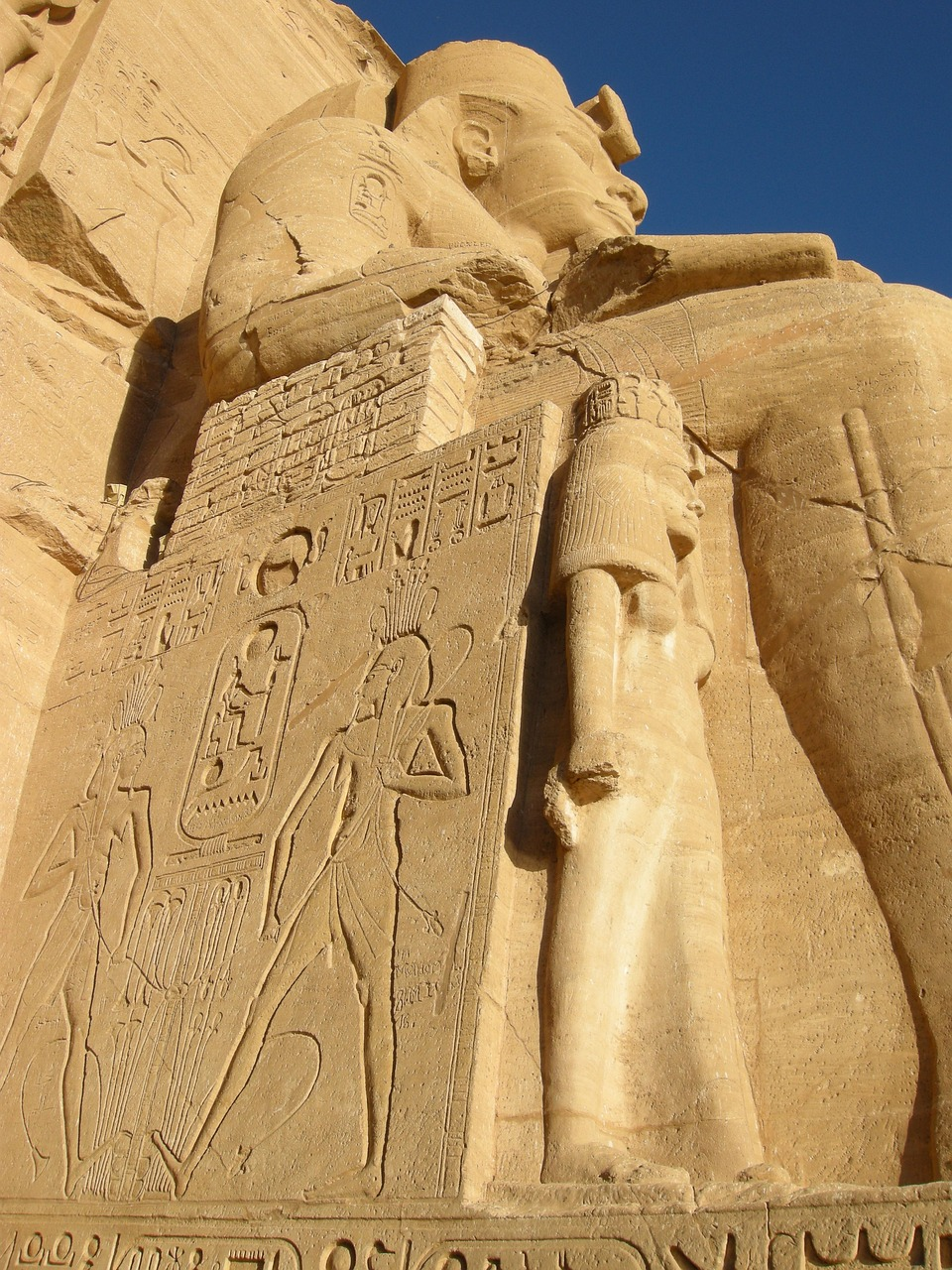
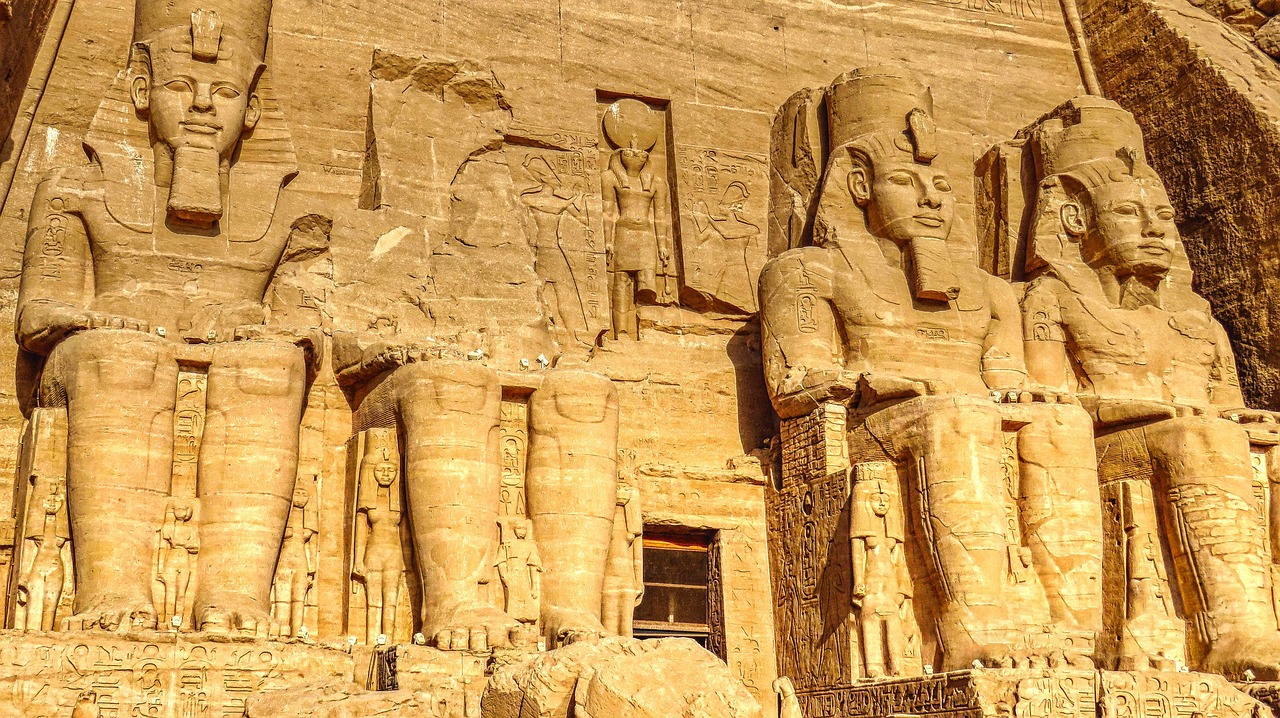
The larger of the two structures is a striking symbol of Ramesses II’s power, carved directly into a sandstone cliff. Its façade features four giant seated statues of the pharaoh, each about 20 meters (66 feet) tall, watching over the Nile Valley with regal authority. These statues alone make Abu Simbel one of the most recognizable monuments in the world.
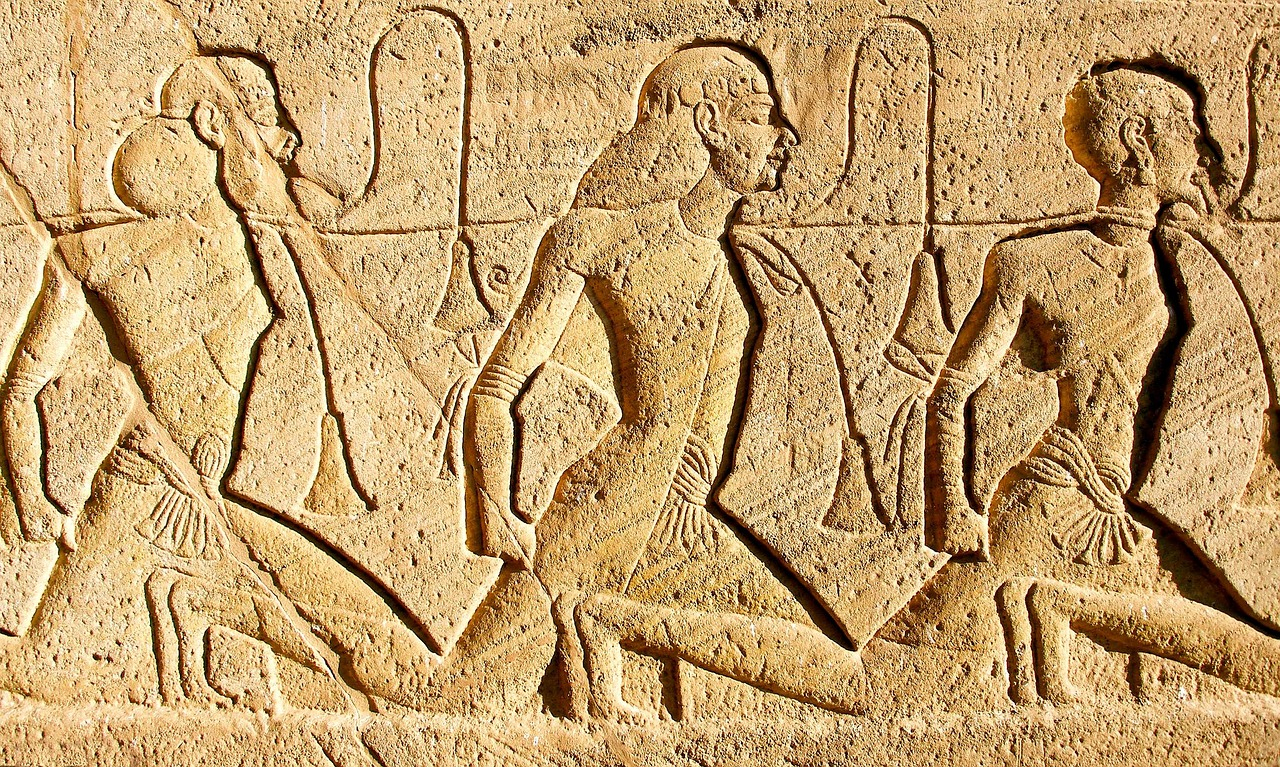
Inside, the temple follows a classic layout, beginning with a hypostyle hall supported by intricately carved Osirid statues of Ramesses—figures representing the pharaoh as the god Osiris, symbolizing resurrection and eternal life. The walls are adorned with extraordinary scenes depicting Ramesses’s military triumphs, including the famous Battle of Kadesh, where the pharaoh is shown defeating his enemies with divine strength and protection.
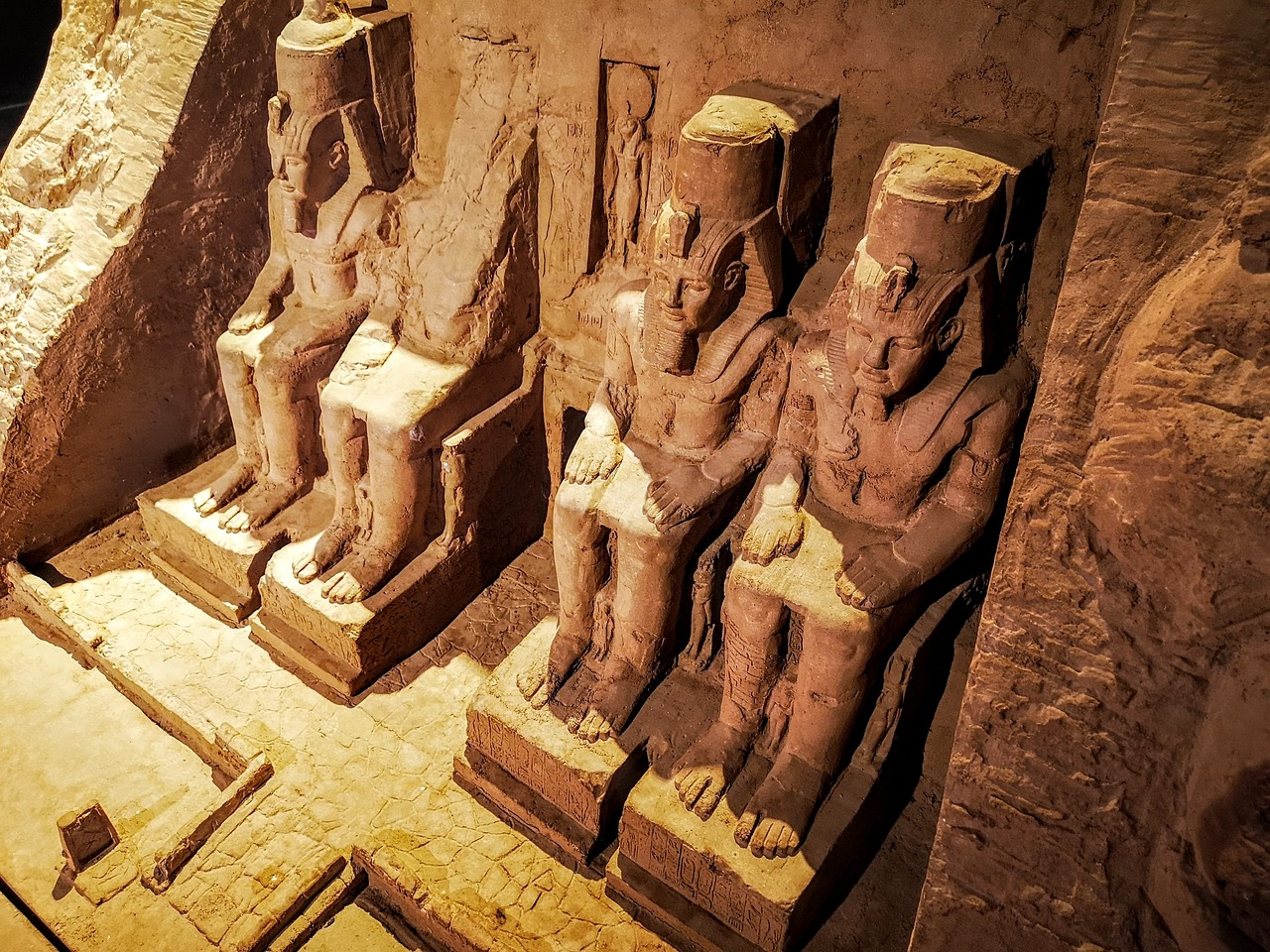
At the heart of the temple lies the inner sanctuary, where statues of Ptah, Amun-Ra, Ra-Horakhty, and Ramesses II himself are seated side by side. This sacred chamber is the focal point of one of Abu Simbel’s most extraordinary features: the Solar Illumination Phenomenon.
Twice a year—on February 22 and October 22—a natural wonder takes place inside the Great Temple. At sunrise, a beam of sunlight travels through the entrance and across the long interior corridor to illuminate the faces of three of the four statues in the sanctuary—Amun-Ra, Ra-Horakhty, and Ramesses II—while Ptah, the god associated with darkness, remains in shadow.
This precise astronomical design is considered one of the greatest engineering achievements of the ancient world. After the relocation of the temples in the 1960s, the phenomenon still occurs, shifted by only one day, yet preserving its stunning effect.
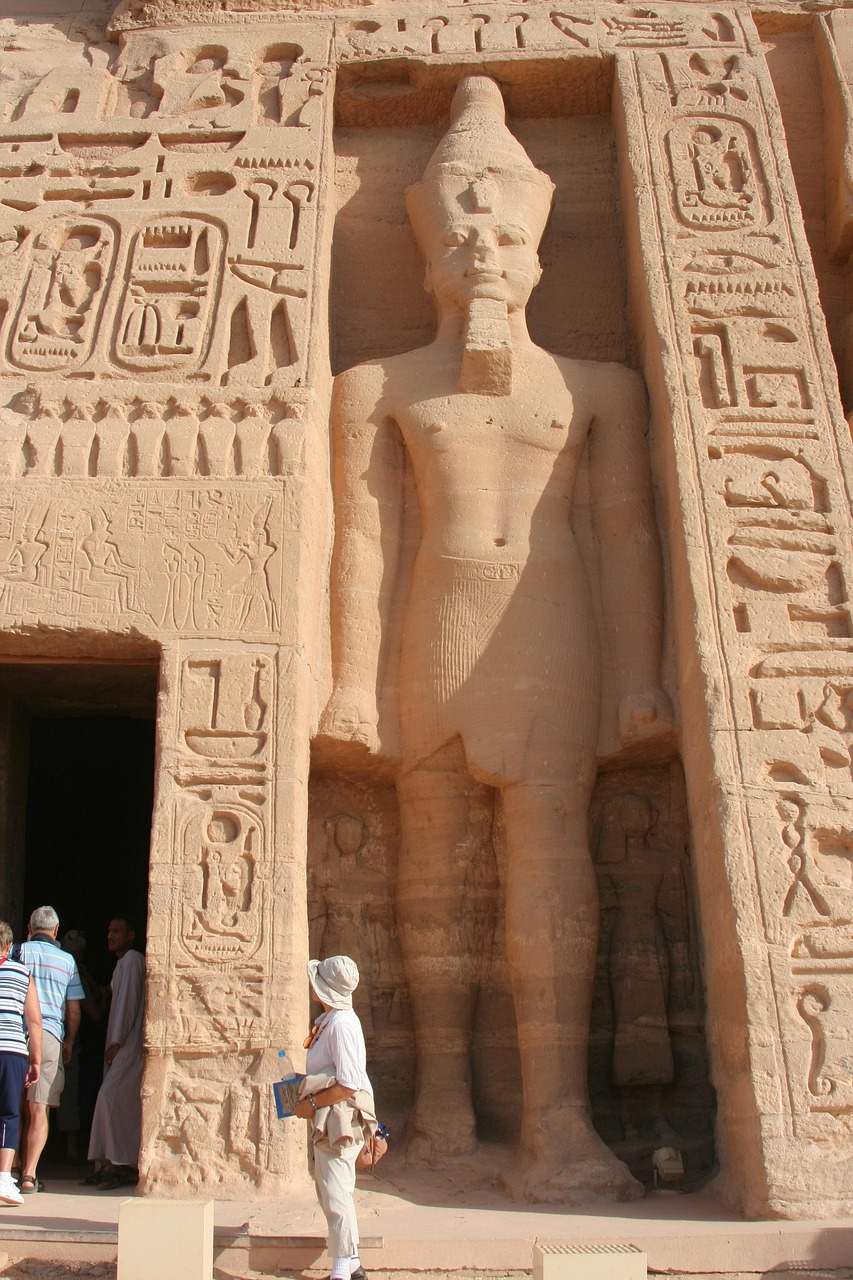
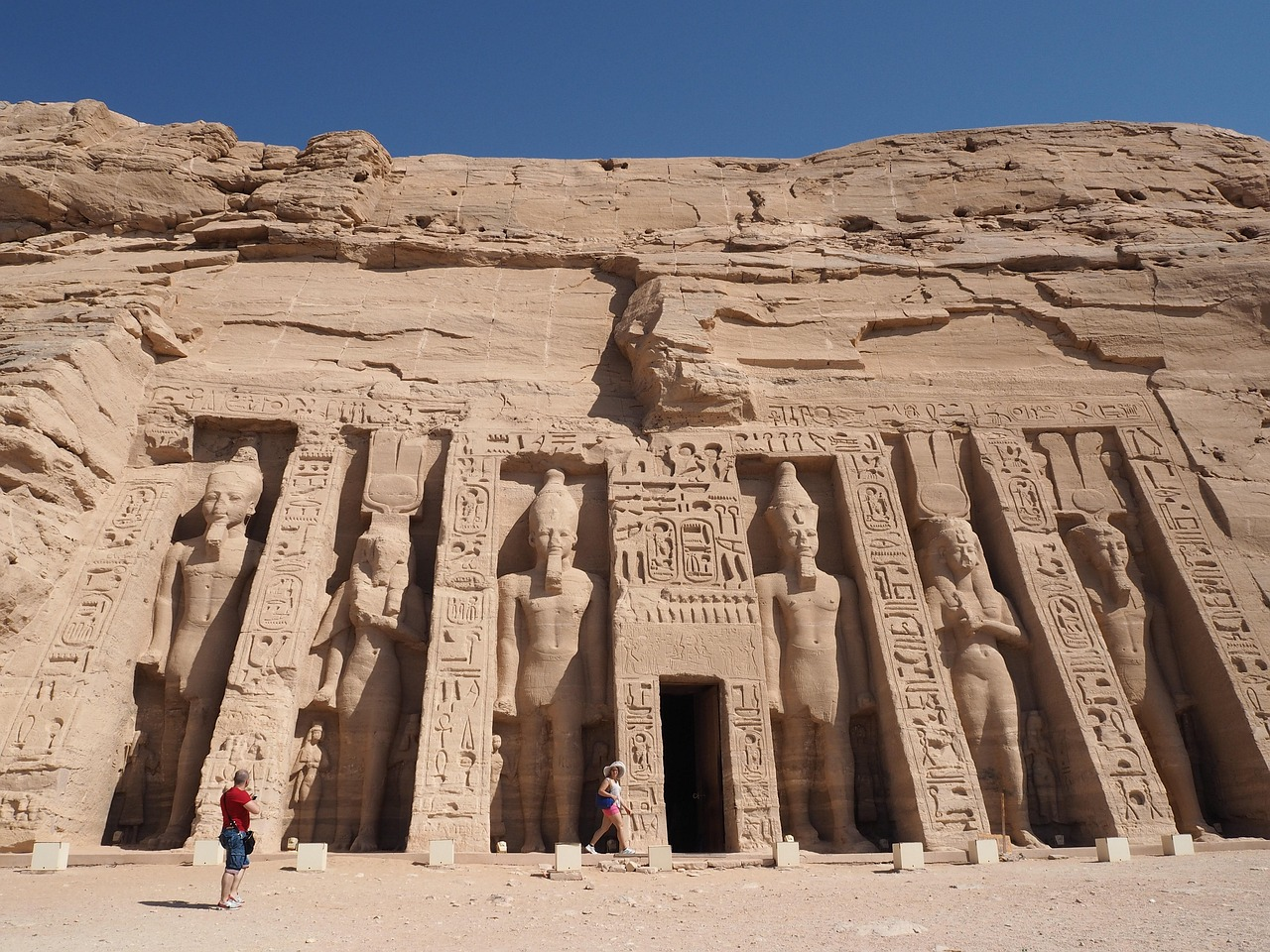
Just north of the Great Temple stands the Temple of Hathor and Queen Nefertari, a breathtaking tribute to one of Egypt’s most beloved queens. Its façade is decorated with six statues, four of Ramesses II and two of Nefertari—remarkably depicted at equal height, an exceptional gesture in ancient Egyptian art symbolizing deep respect and affection.
Inside, the temple honors Hathor, the goddess of music, motherhood, and love. Its interior is adorned with graceful carvings, elegant columns topped with Hathor-headed capitals, and artwork depicting Nefertari participating in religious rituals. This temple stands as a rare testament to the significant role of royal women in the pharaonic world.
One of the most remarkable chapters in the temple’s history occurred in the 1960s when the construction of the Aswan High Dam threatened to submerge Abu Simbel under the waters of Lake Nasser. In an unprecedented international effort led by UNESCO, the temples were cut into massive blocks—some weighing up to 30 tons—and moved 65 meters higher and 200 meters inland.
This extraordinary relocation is considered one of the greatest archaeological rescue operations in history and ensured that the legacy of Abu Simbel would continue to inspire future generations.
Abu Simbel stands apart because it blends art, architecture, astronomy, mythology, and global heritage into a single awe-inspiring experience. From the colossal statues guarding the façade to the delicate carvings inside the Temple of Nefertari and the celestial precision of the solar alignment, every detail reflects the brilliance and ambition of ancient Egyptian civilization.
Today, visiting Abu Simbel is more than a stop on a journey—it’s a moment of wonder, connection, and admiration for a culture that continues to shape the world’s imagination.