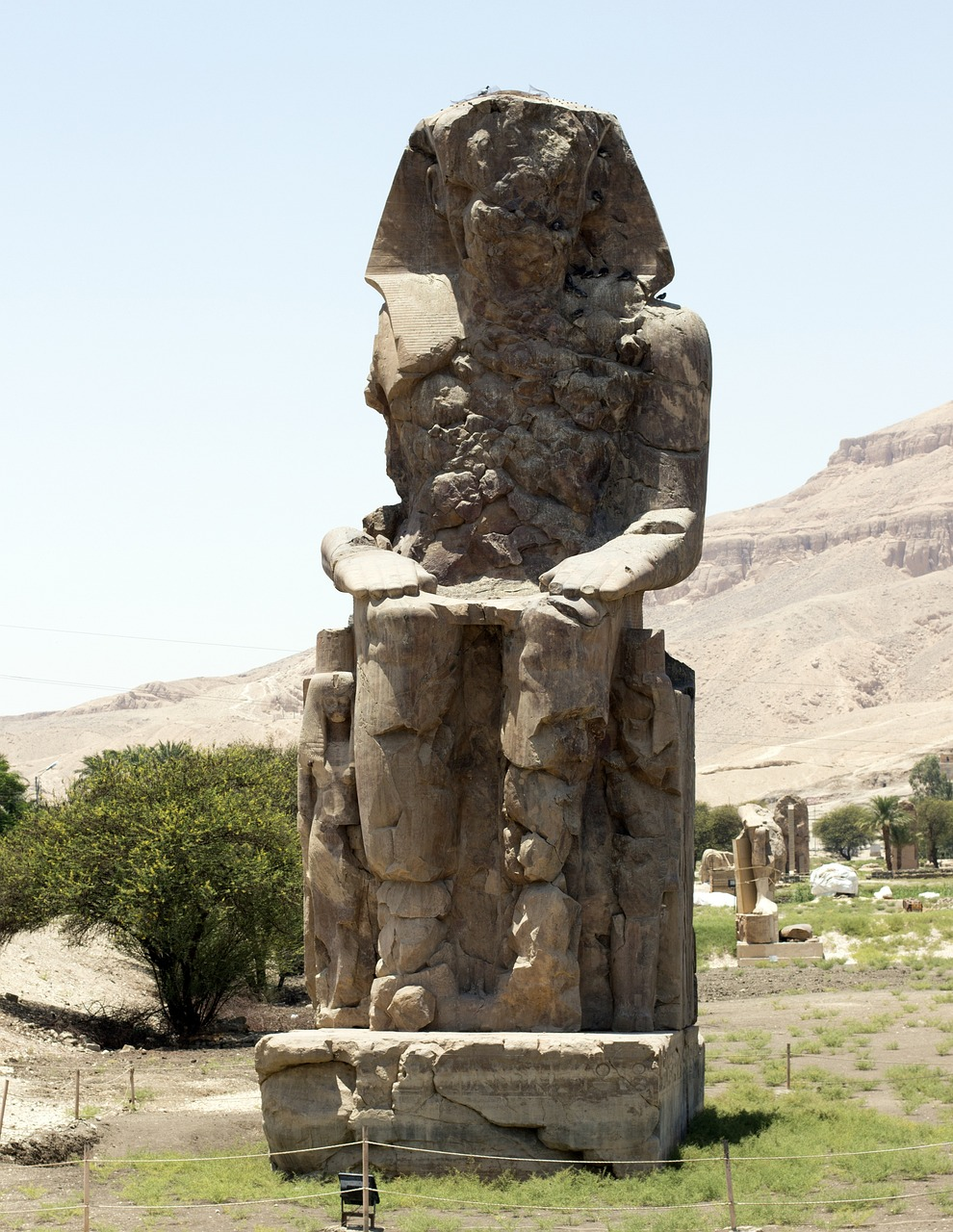
Colossi of Memnon – Timeless Guardians of Theban History
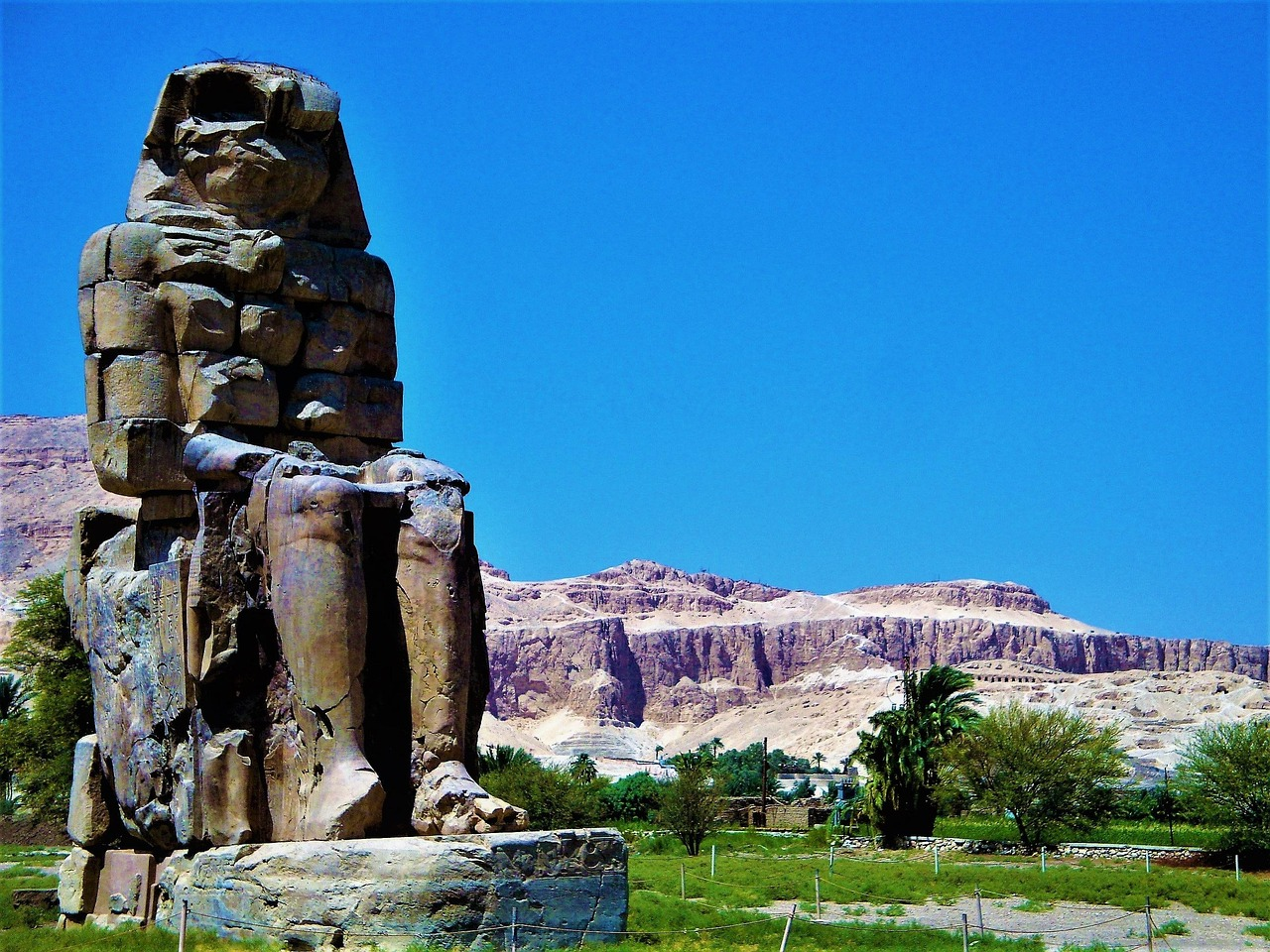
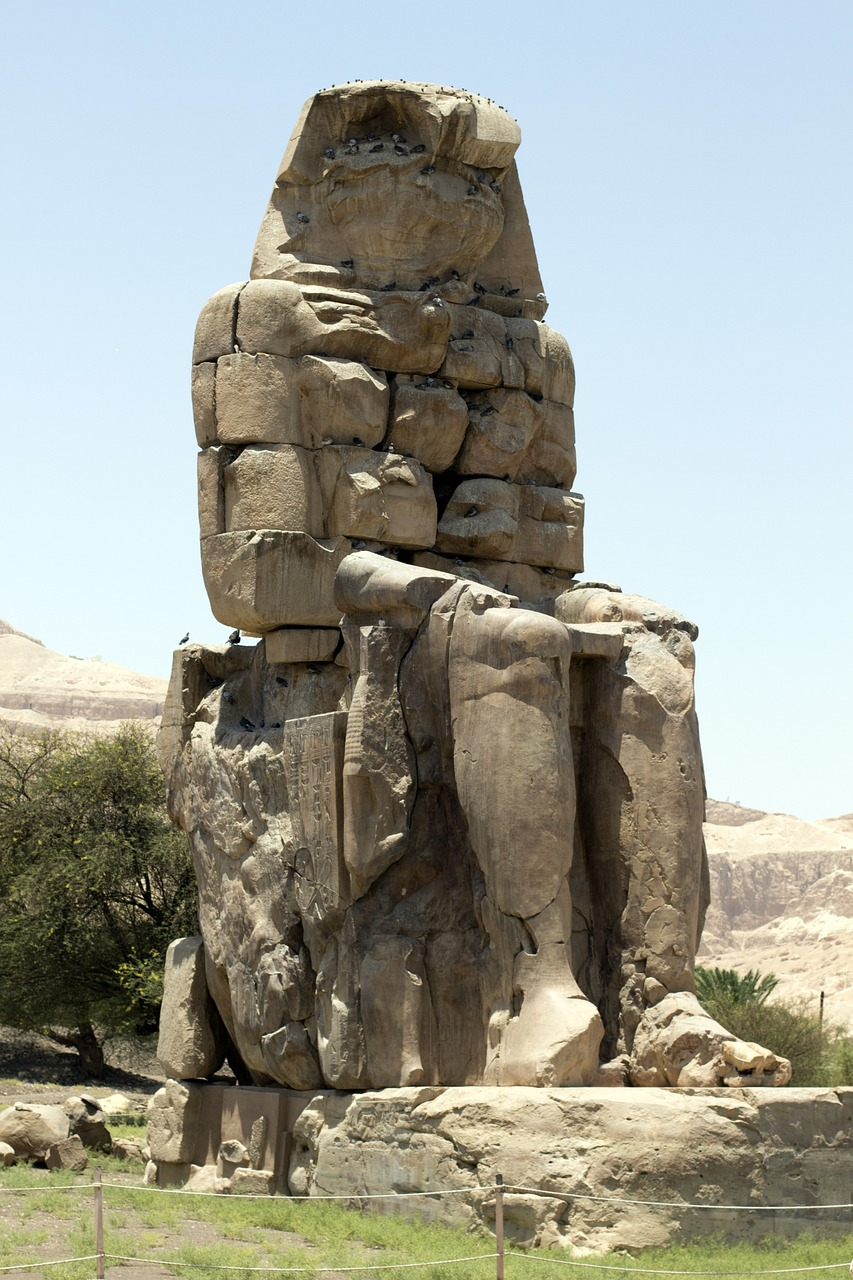
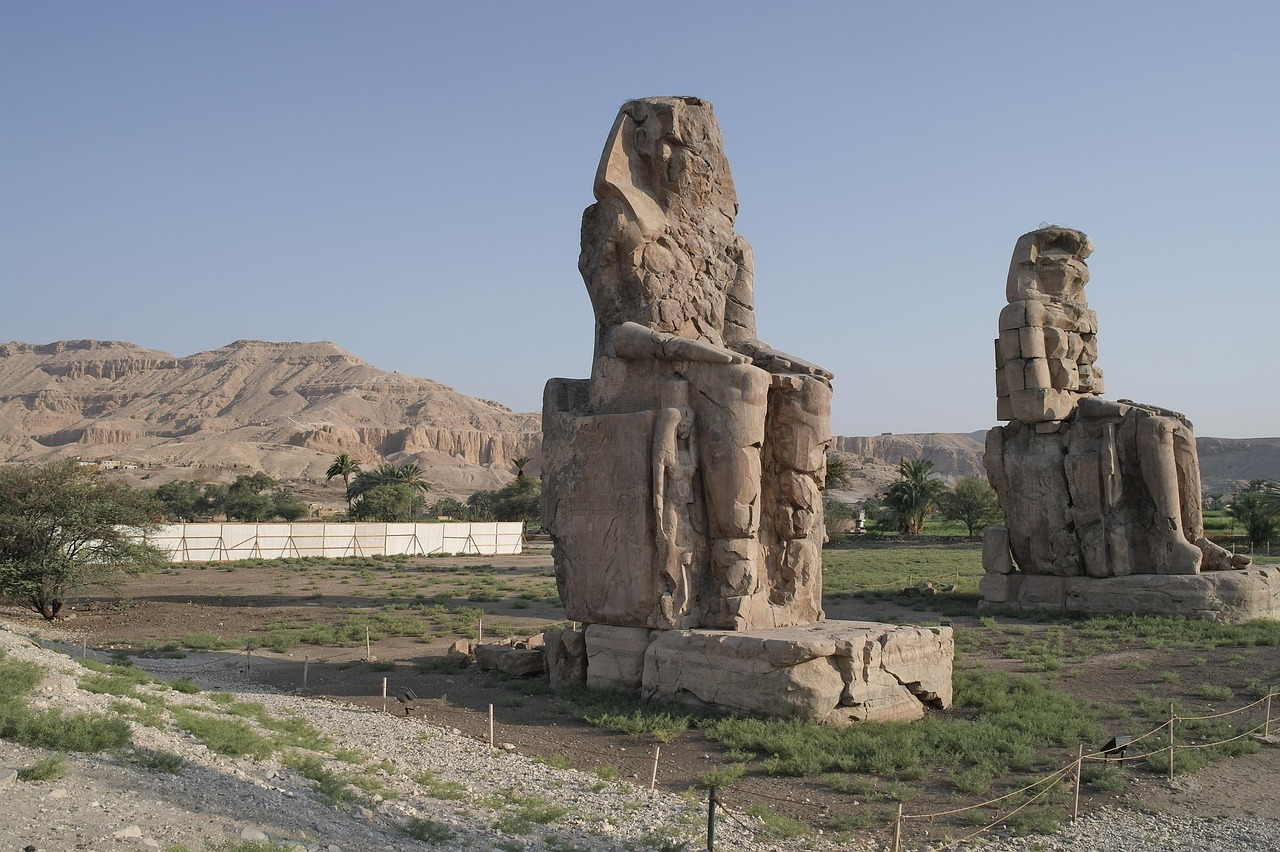
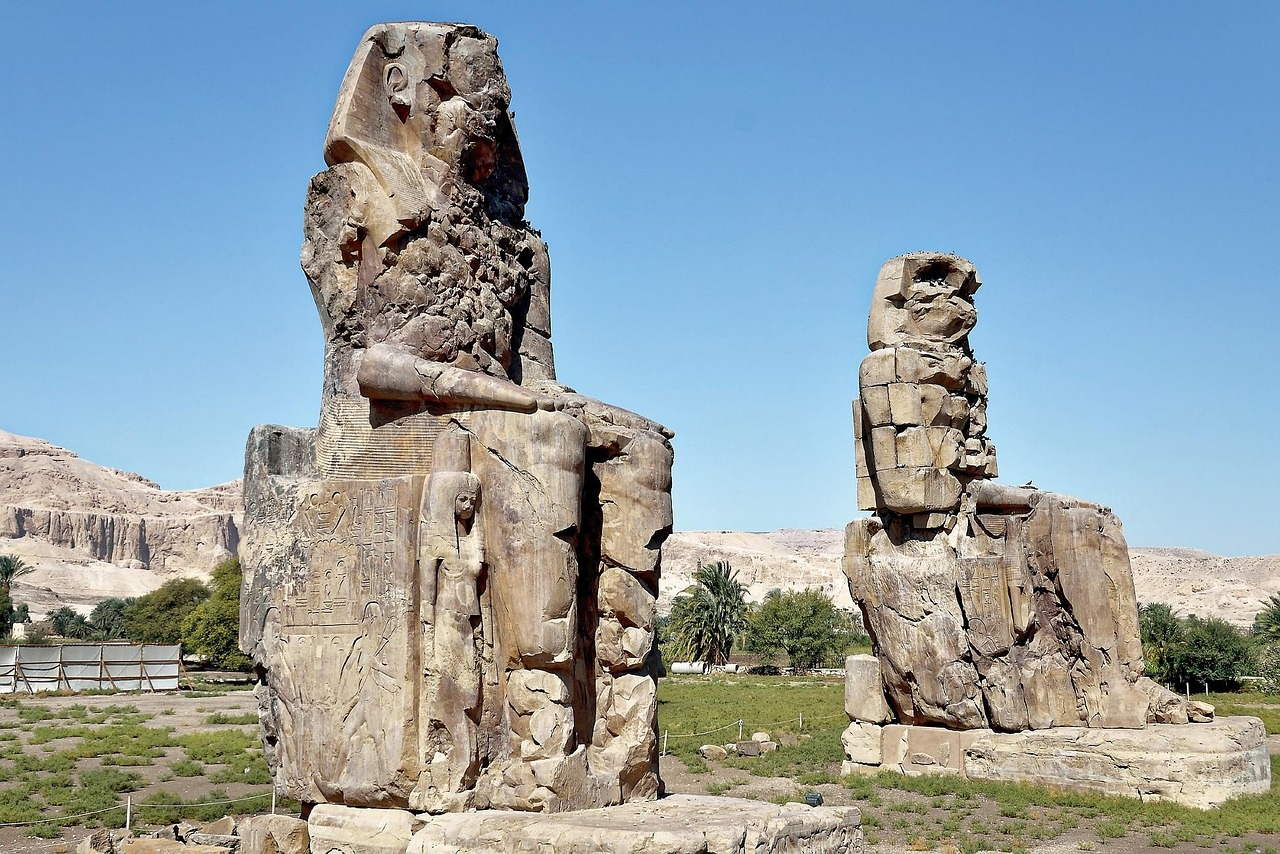
The Colossi of Memnon, two massive stone statues rising proudly from the Theban West Bank of Luxor, are among Egypt’s most iconic and enduring ancient monuments. Standing at an impressive 18 meters (nearly 60 feet) tall, these monumental figures have watched over the Nile Valley for more than 3,400 years, serving as silent witnesses to the rise and fall of civilizations, natural disasters, and centuries of fascination from travelers around the world.
Carved during the 18th Dynasty for the mortuary temple of Pharaoh Amenhotep III, the colossi originally marked the entrance to what was once one of the largest and most magnificent temples in ancient Egypt. Although the temple itself was largely destroyed by ancient floods, earthquakes, and later reuse of its stones, the two statues endured—remaining as powerful reminders of the pharaoh’s grandeur and the impressive scale of ancient Egyptian architecture.
Each statue depicts Amenhotep III seated on his throne, hands resting on his knees, wearing the royal headdress and false beard that symbolized his divine kingship. On the sides of the thrones are intricate carvings of Hapi, the Nile god, binding together the symbols of Upper and Lower Egypt—an expression of unity and power.
One of the most intriguing aspects of the Colossi is their long-standing association with the “singing statue” phenomenon.” For centuries, ancient visitors claimed that one of the colossi emitted a mysterious, melodic sound at sunrise. Greek and Roman travelers believed this sound to be the “voice” of Memnon, a legendary Ethiopian prince from the Trojan War, who was said to greet his mother Eos, the goddess of dawn, each morning. In reality, scholars believe the sound was caused by the heating of the stone after damage from an earthquake in 27 BCE—but the myth immortalized the statues and turned them into one of antiquity’s most famous tourist attractions.
Today, the Colossi of Memnon continue to stand guard at the threshold of Luxor’s West Bank, welcoming visitors as they embark on their journey to explore the Valley of the Kings, Temple of Hatshepsut, and the many remarkable archaeological sites that surround them. Ongoing excavations have even revealed more structures belonging to Amenhotep III’s vast temple complex, offering new insights into the pharaoh’s reign and enriching the significance of the colossi.
A visit to the Colossi of Memnon provides more than just a photo opportunity—it is a chance to connect with the deep, ancient history of Thebes, experience a symbol of royal power and architectural mastery, and stand before two of the most enduring monuments of the ancient world. Whether admired at sunrise, sunset, or in the quiet midday light, the colossi remain a breathtaking testament to the artistry and ambition of ancient Egypt.