

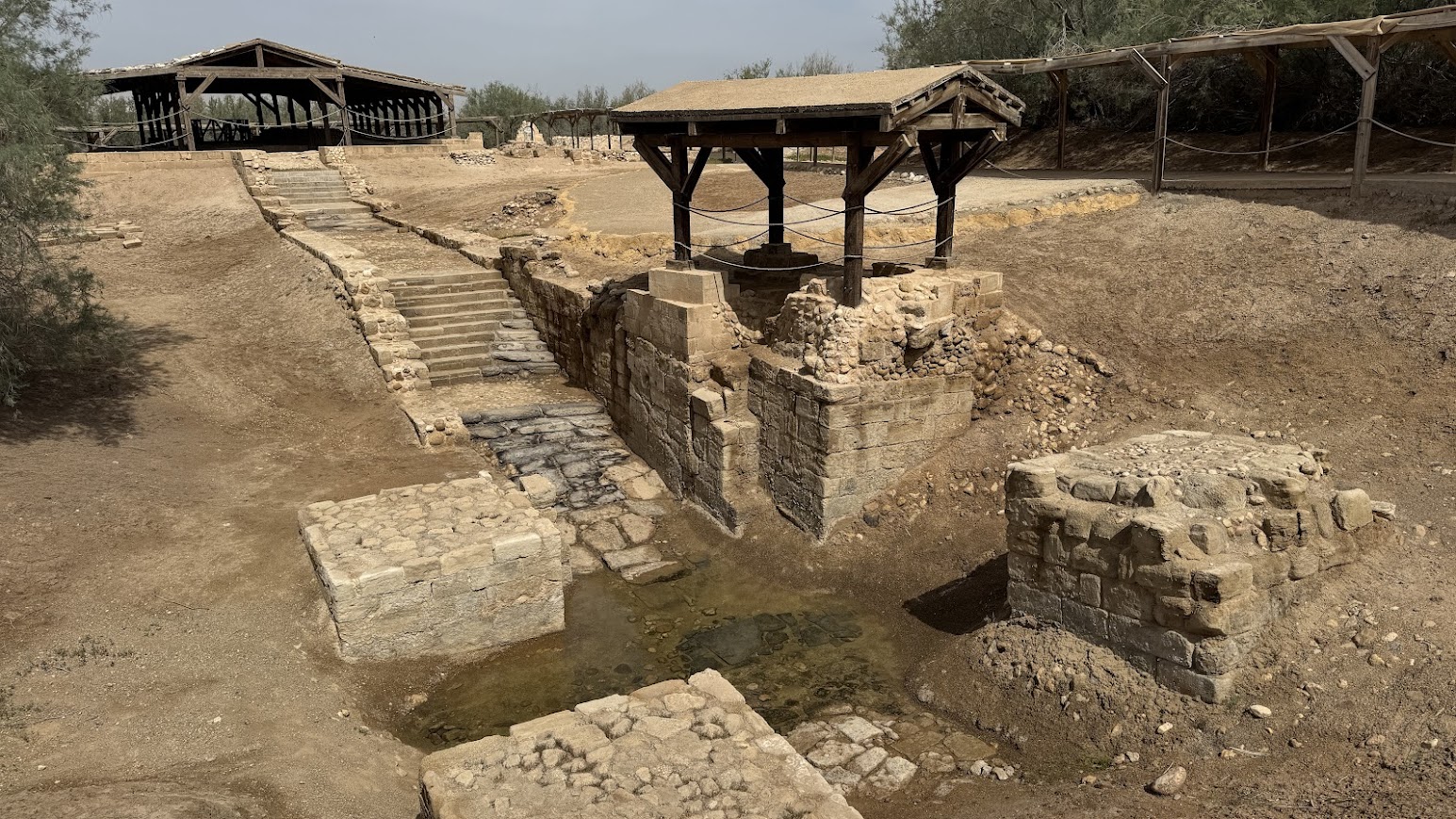
Christian pilgrimage tourism in Jordan is entering a new era for faith-based travel. The Jordan Tourism Board has announced the Kingdom’s official journey toward 2030, a landmark year that will mark the 2000th anniversary of the Baptism of Jesus Christ at the Jordan River.
For a country already recognized as one of the richest destinations in the world for biblical and Christian heritage, this milestone represents more than a commemoration — it’s an opportunity to reintroduce Jordan to pilgrims and travelers everywhere as a complete, living pilgrimage destination.
The countdown to 2030 officially begins this year. The first milestone event will take place in September 2026 at Mukawir (Machaerus), the historic fortress traditionally associated with the imprisonment and martyrdom of St. John the Baptist.
On 12 September 2026, the site will host Messiah, a cultural and spiritual event bringing together international and Jordanian musicians and audiences. It marks the symbolic beginning of a longer program of cultural and spiritual initiatives that will unfold in the years leading up to 2030 — each one designed to deepen the world’s connection to the story of Jesus’ Baptism, St. John the Baptist, and Jordan’s Christian heritage.
Long before this countdown began, Jordan was already home to an extraordinary concentration of biblical and Christian sites — many of which can be woven together into a single, multi-day pilgrimage itinerary. Among the most significant:
Together, these sites allow for multi-day pilgrimage journeys that combine deep spiritual meaning with Jordan’s history, archaeology, culture, and renowned hospitality.
As Jordan builds toward 2030, the tourism sector — tour operators, travel agencies, hotels, and guides — is being encouraged to develop new programs and itineraries that highlight this journey, for both domestic and international markets.
For travelers, this means more opportunities than ever to experience Jordan not simply as a place to visit, but as a destination for genuine spiritual reflection — a country where faith, history, and living tradition intersect at every turn.
Whether you’re drawn to the waters of the Jordan River, the quiet grandeur of Mount Nebo, or the mosaics of Madaba, Jordan offers a pilgrimage experience unlike anywhere else in the world — one that will only grow more meaningful as 2030 approaches.
At Axis DMC, we’re proud to help design meaningful, faith-based journeys through Jordan and the wider Holy Land. If you’re interested in planning a pilgrimage itinerary — whether a focused Jordan River route or a comprehensive multi-day journey — get in touch with our team to start planning your trip.