The Karnak Temple Complex is one of the most extraordinary ancient sites in the world and a place that truly captures the grandeur of ancient Egyptian civilization. Located on the east bank of the Nile in Luxor, Karnak was not a single temple, but an enormous sacred precinct that evolved over nearly 2,000 years. Pharaoh after pharaoh contributed to its construction, creating a vast network of temples, chapels, pylons, sanctuaries, obelisks, and statues dedicated primarily to the Theban Triad: Amun, Mut, and Khonsu. It remains the largest religious complex ever built.
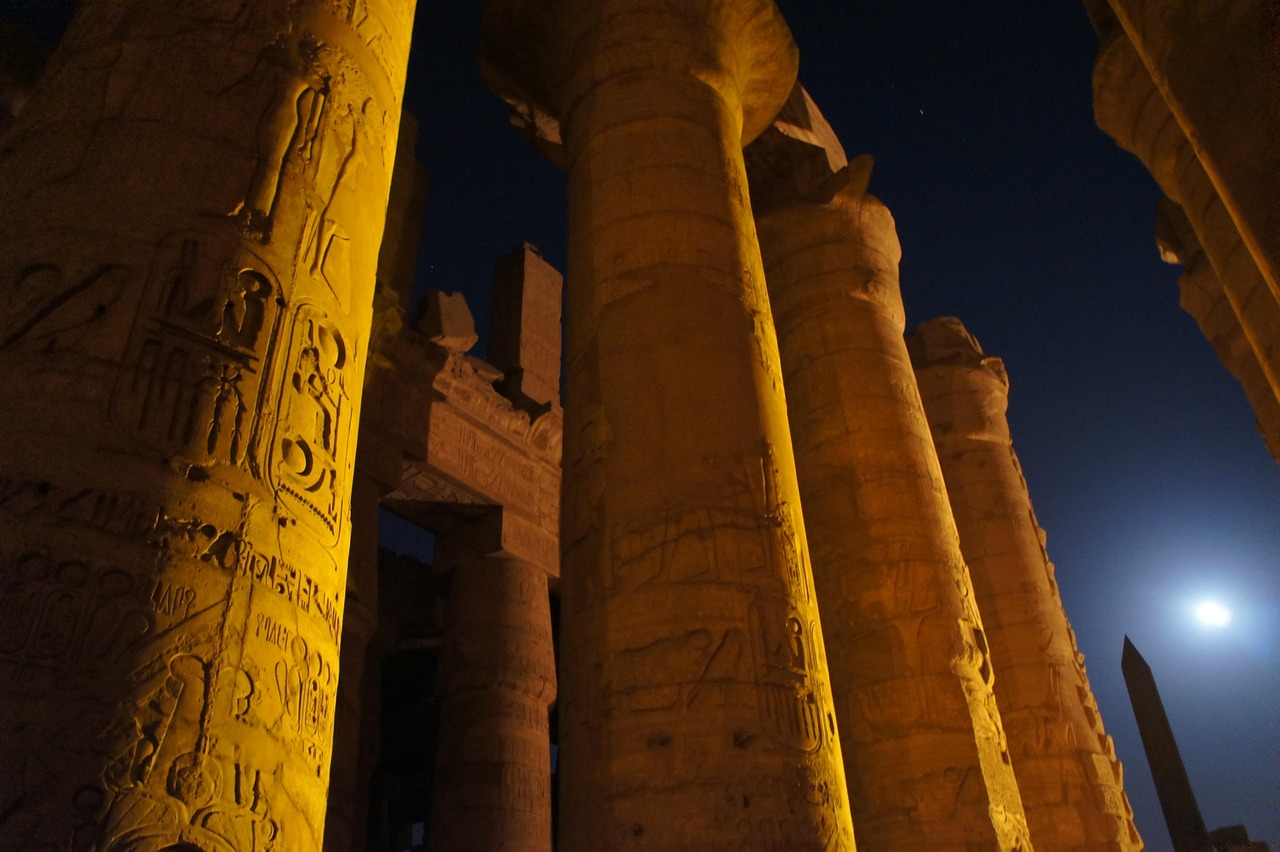
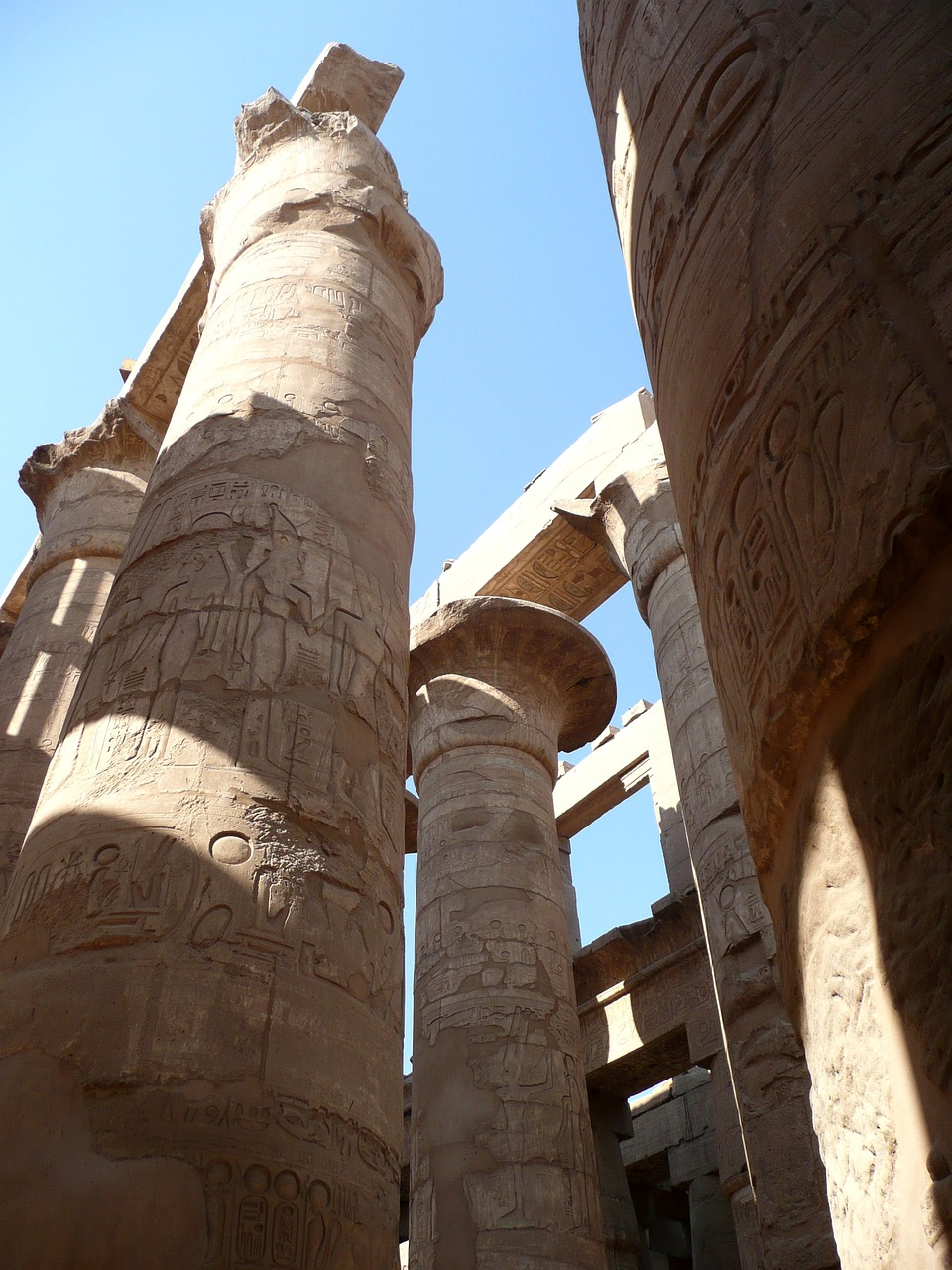
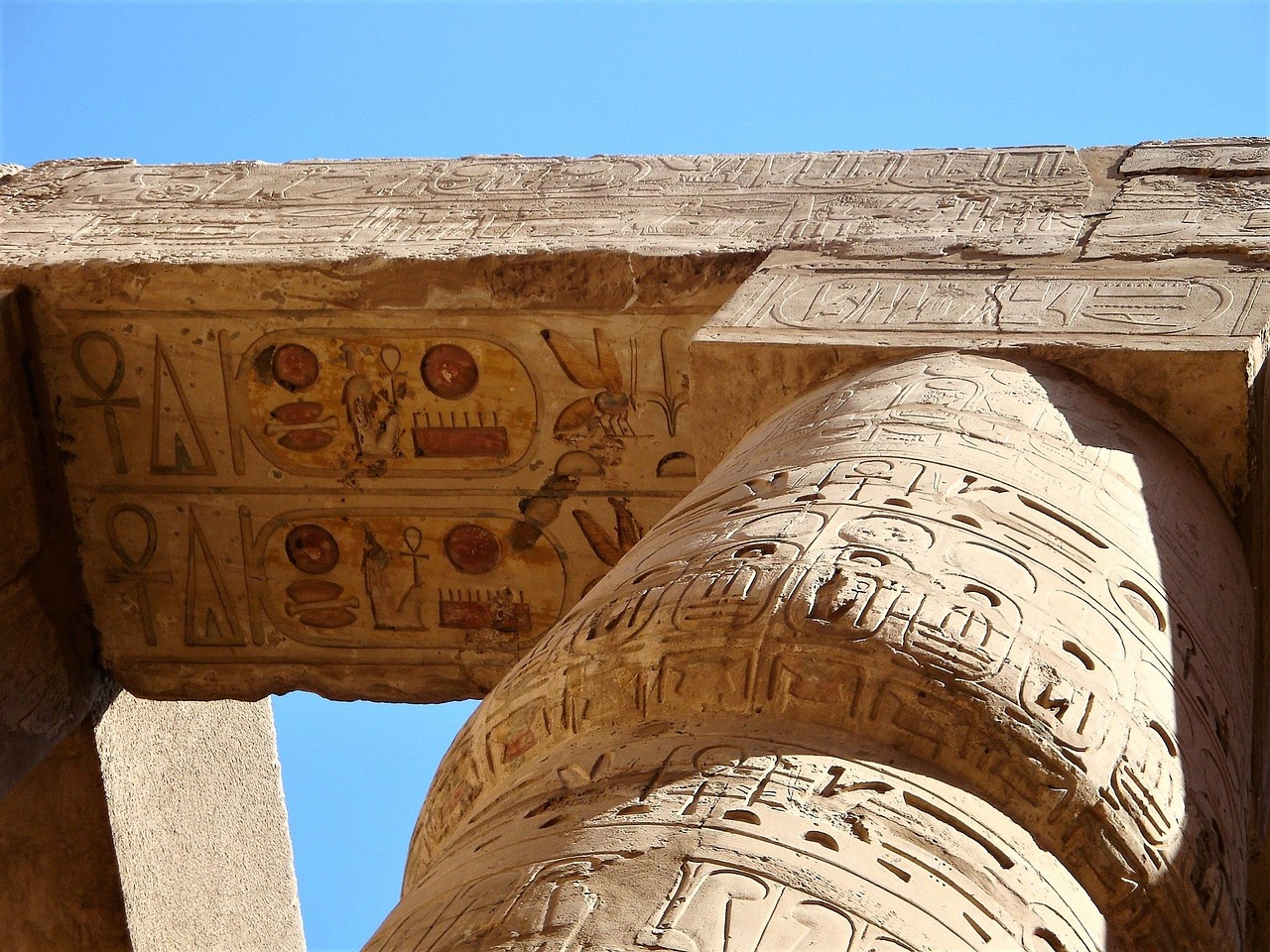
Walking into Karnak feels like stepping into a monumental open-air museum. The sheer scale is overwhelming from the moment you enter. Massive gateways rise across the complex, each marking the additions of different dynasties. The Great Hypostyle Hall, one of the most iconic architectural achievements in history, features 134 towering columns arranged in forest-like rows. Their tops once supported a stone roof, and many are still covered in detailed carvings and faint traces of original paint. Standing among them gives visitors a sense of how Egypt’s ancient architects created spaces designed to inspire awe.
The complex spans several precincts, each with its own layout and story. The Precinct of Amun is the largest and most famous, containing the Hypostyle Hall, monumental obelisks, worship halls, and the sacred lake used for purification rituals. The Precinct of Mut, dedicated to the goddess Mut, includes rows of sphinxes, temple ruins, and smaller chapels that offer glimpses into religious traditions. The Precinct of Khonsu, quieter and less visited, showcases reliefs and carvings that have survived for millennia. Together, these areas reveal how Karnak served not just as a place of worship, but as a ceremonial and administrative center for ancient Thebes.
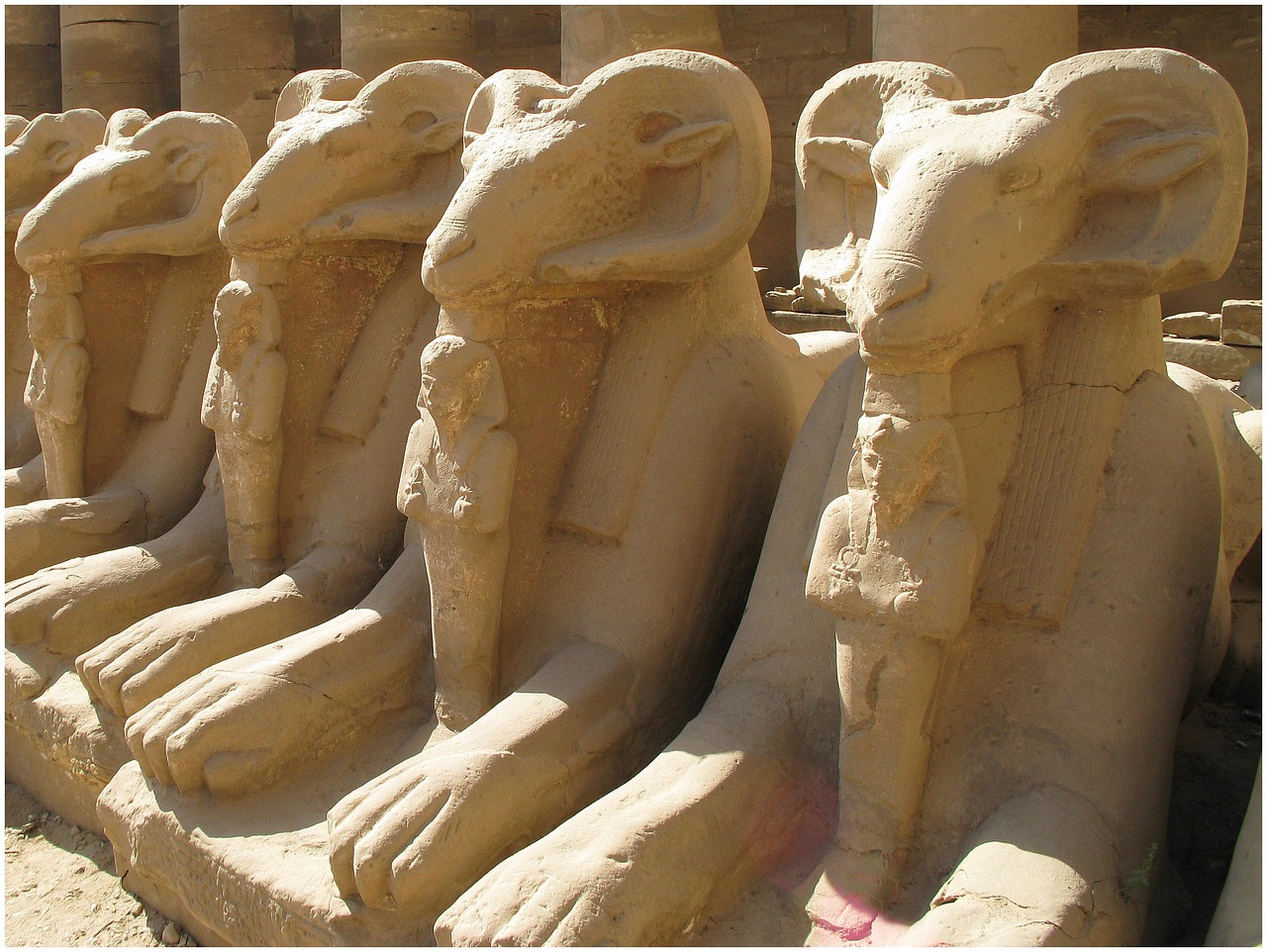
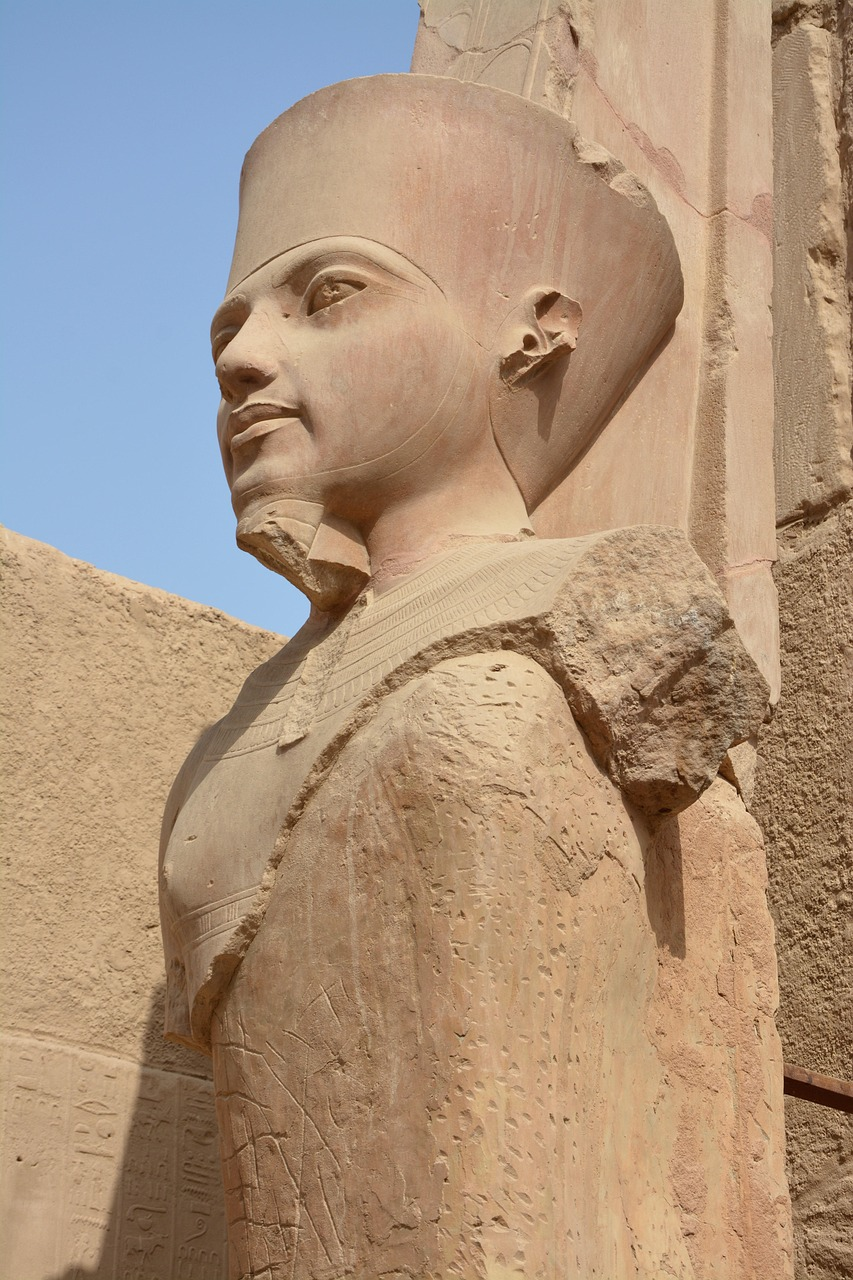
Every corner of Karnak is filled with symbolic details. Towering statues of pharaohs stand guard beside pillars and entrances. Walls are covered with inscriptions celebrating victories, honoring gods, or documenting major events. The avenue of ram-headed sphinxes once connected Karnak to Luxor Temple, forming a grand processional route used during religious festivals. Massive obelisks once stood throughout the complex, each carved from a single piece of stone and rising proudly toward the sky as symbols of divine power.
Despite its immense size, Karnak also has quieter, more intimate areas. Smaller courtyards, side rooms, and chapels allow visitors to step away from the monumental structures and appreciate the detailed craftsmanship that went into even the simplest elements. These spaces reveal the layers of history left behind by different rulers, each aiming to leave their legacy within the sacred grounds.
Karnak continues to inspire awe not only for its size, but also for its endurance. Thousands of years later, the columns, carvings, and sanctuaries still stand as witnesses to the beliefs, architecture, and artistic achievements of ancient Egypt. Visiting the complex offers a journey through time, where each step uncovers another chapter of a civilization that shaped world history.
Whether you’re captivated by ancient mythology, fascinated by architecture, or simply mesmerized by Egypt’s timeless beauty, the Karnak Temple Complex delivers an unforgettable experience. It is a place where the past feels remarkably alive, and where the legacy of ancient Egypt reaches its fullest expression.