Temple of Hatshepsut – A Masterpiece of Ancient Egyptian Architecture
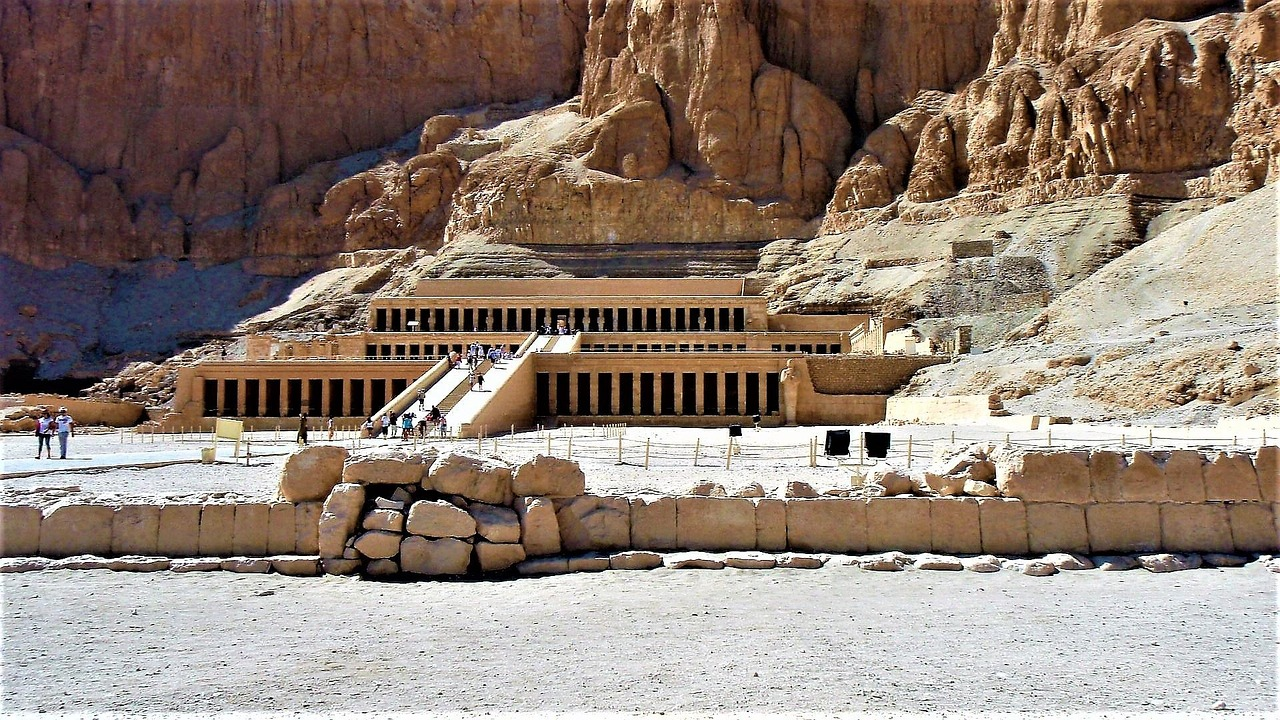
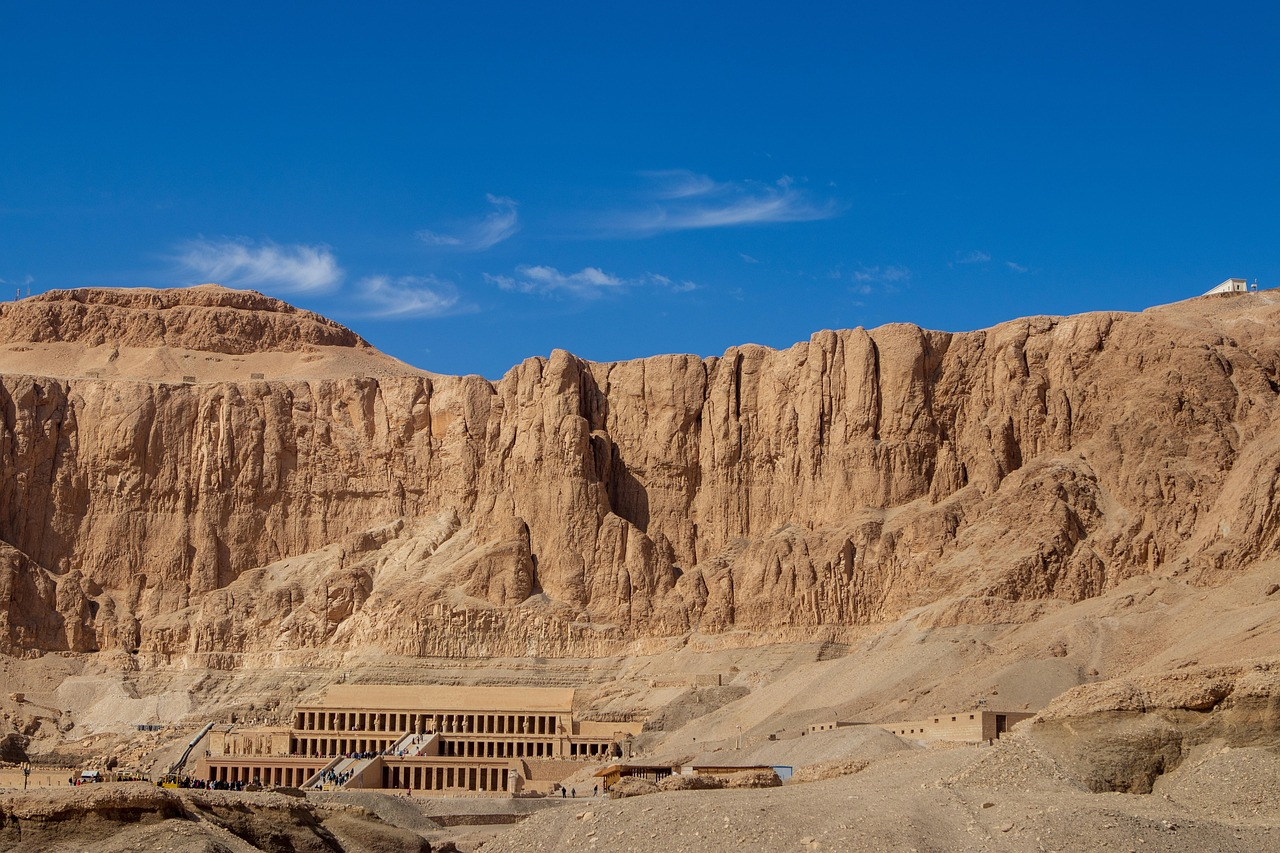
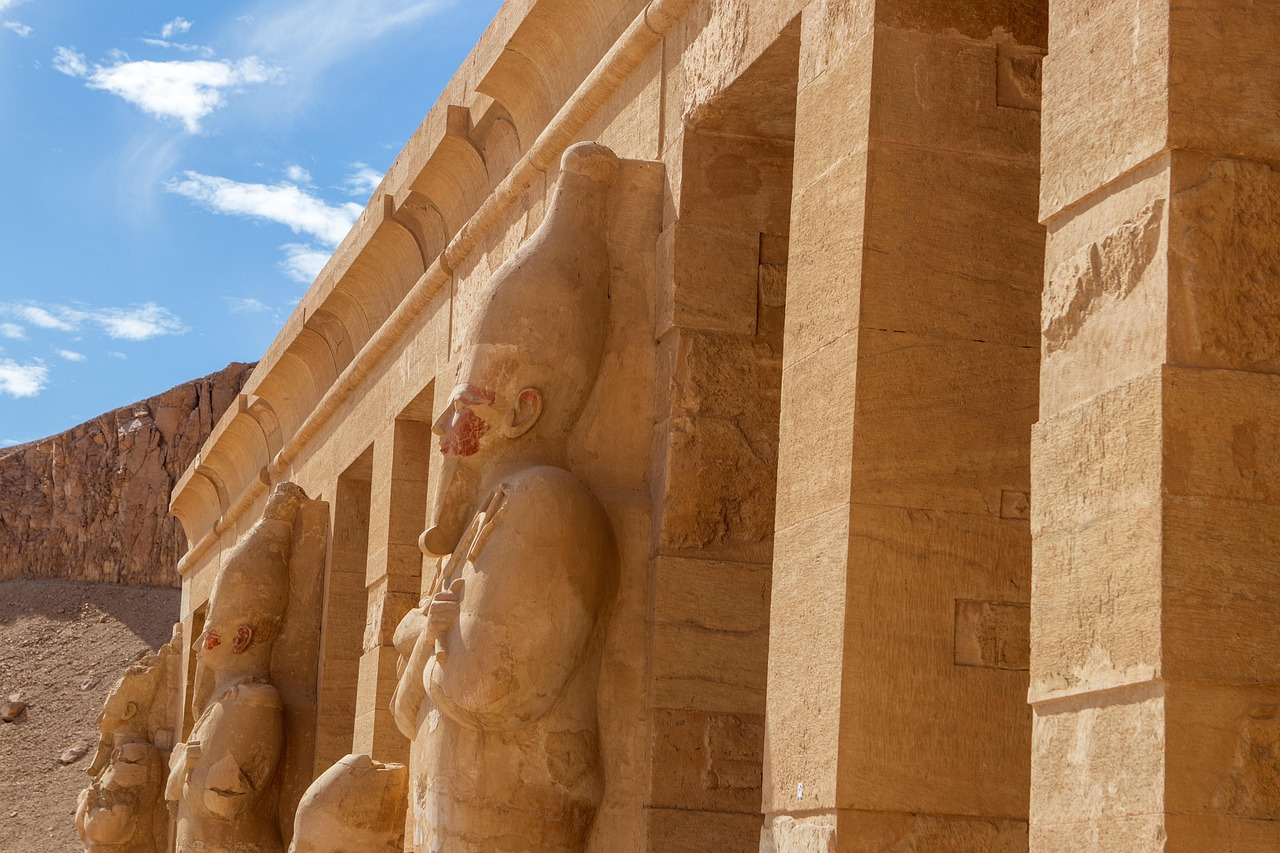
The Temple of Hatshepsut, also known as Deir el-Bahari, stands as one of ancient Egypt’s most extraordinary architectural achievements and a powerful symbol of the remarkable reign of Queen Hatshepsut, one of the few women to rule Egypt as pharaoh. Nestled dramatically beneath the towering limestone cliffs of Thebes’ West Bank near Luxor, this temple is a harmonious blend of natural landscape and human craftsmanship — a sanctuary where history, art, and spirituality converge.
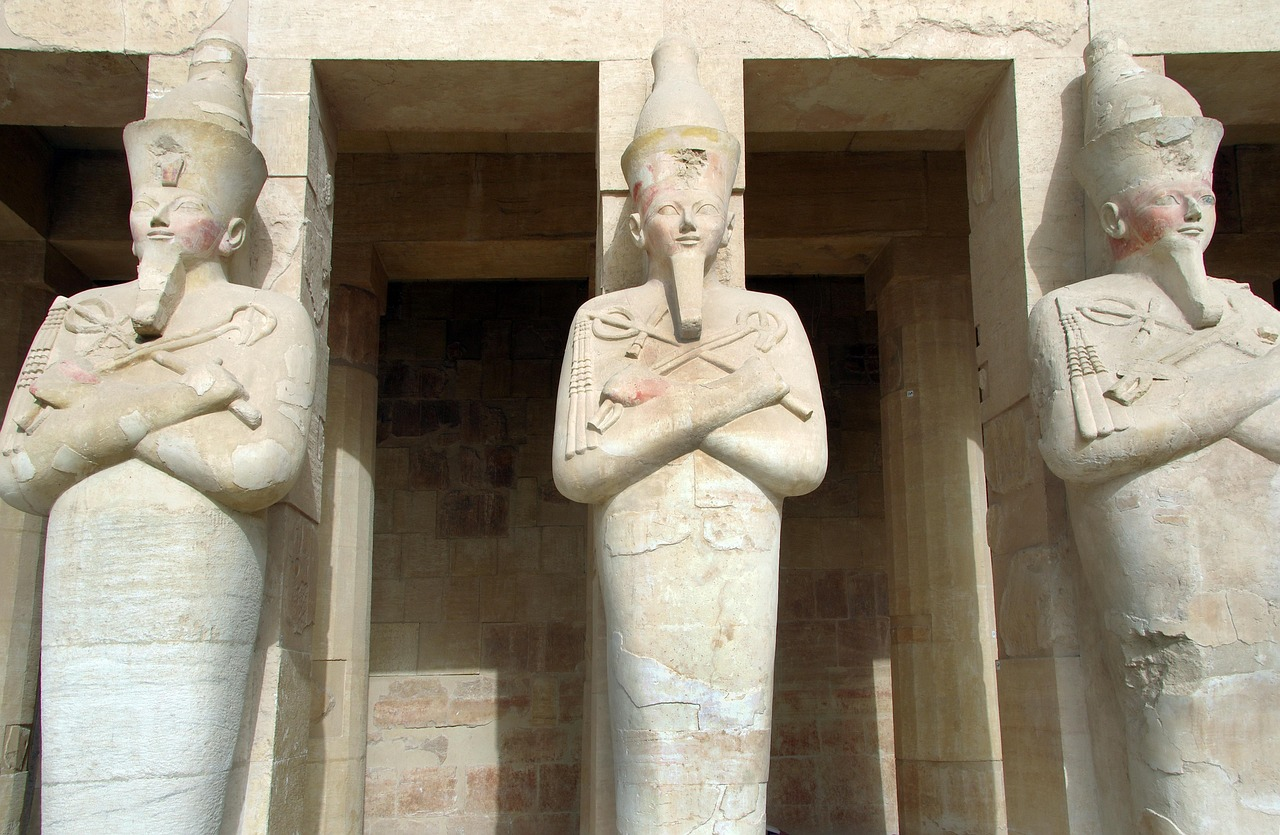
Built in the 15th century BCE during the New Kingdom, Hatshepsut’s mortuary temple is renowned for its terraced design, rising in three grand levels connected by long ramps that echo the symmetry and order of Egyptian cosmology. Unlike other mortuary temples of its time, this structure integrates seamlessly with the surrounding cliffs, creating a theatrical backdrop that enhances its divine purpose. It was dedicated not only to Hatshepsut herself but also to Amun-Ra, the chief deity of the New Kingdom.
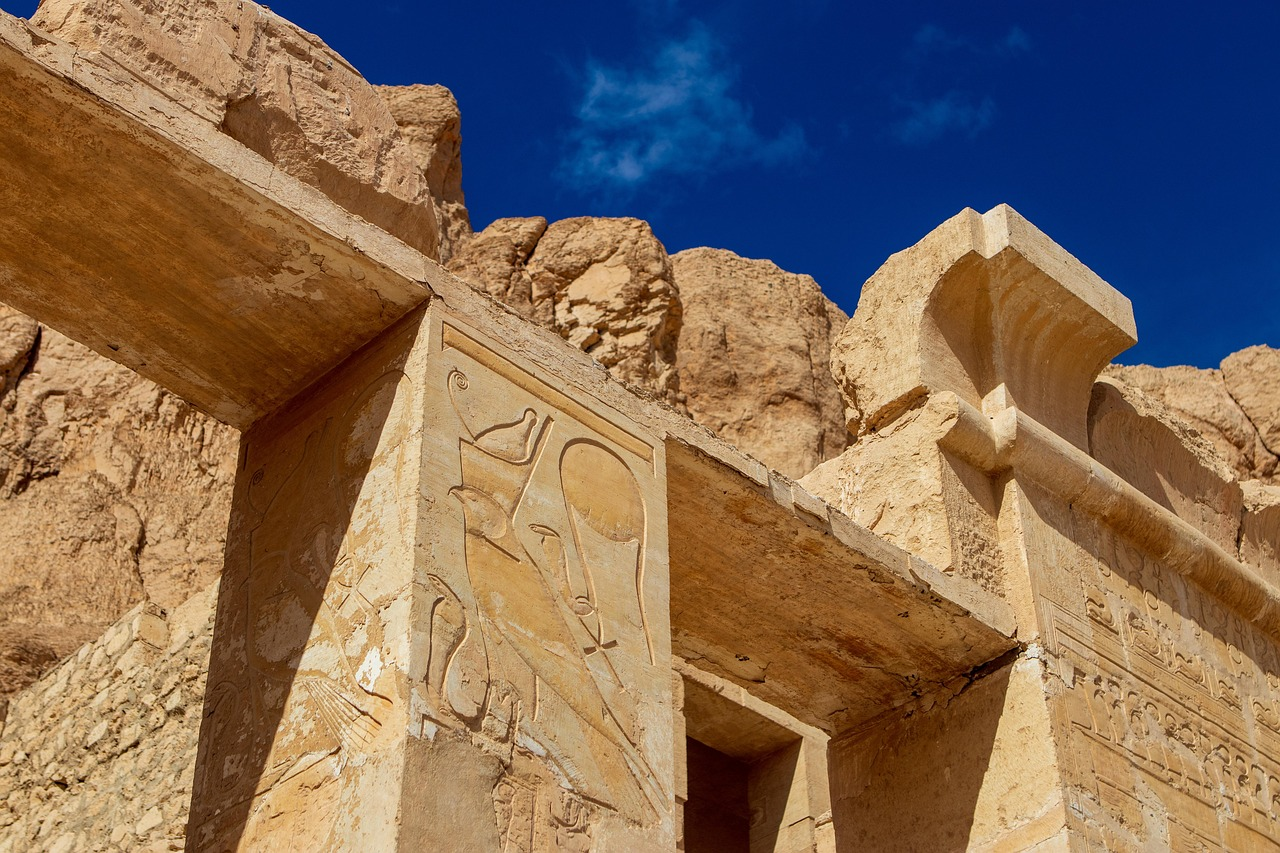
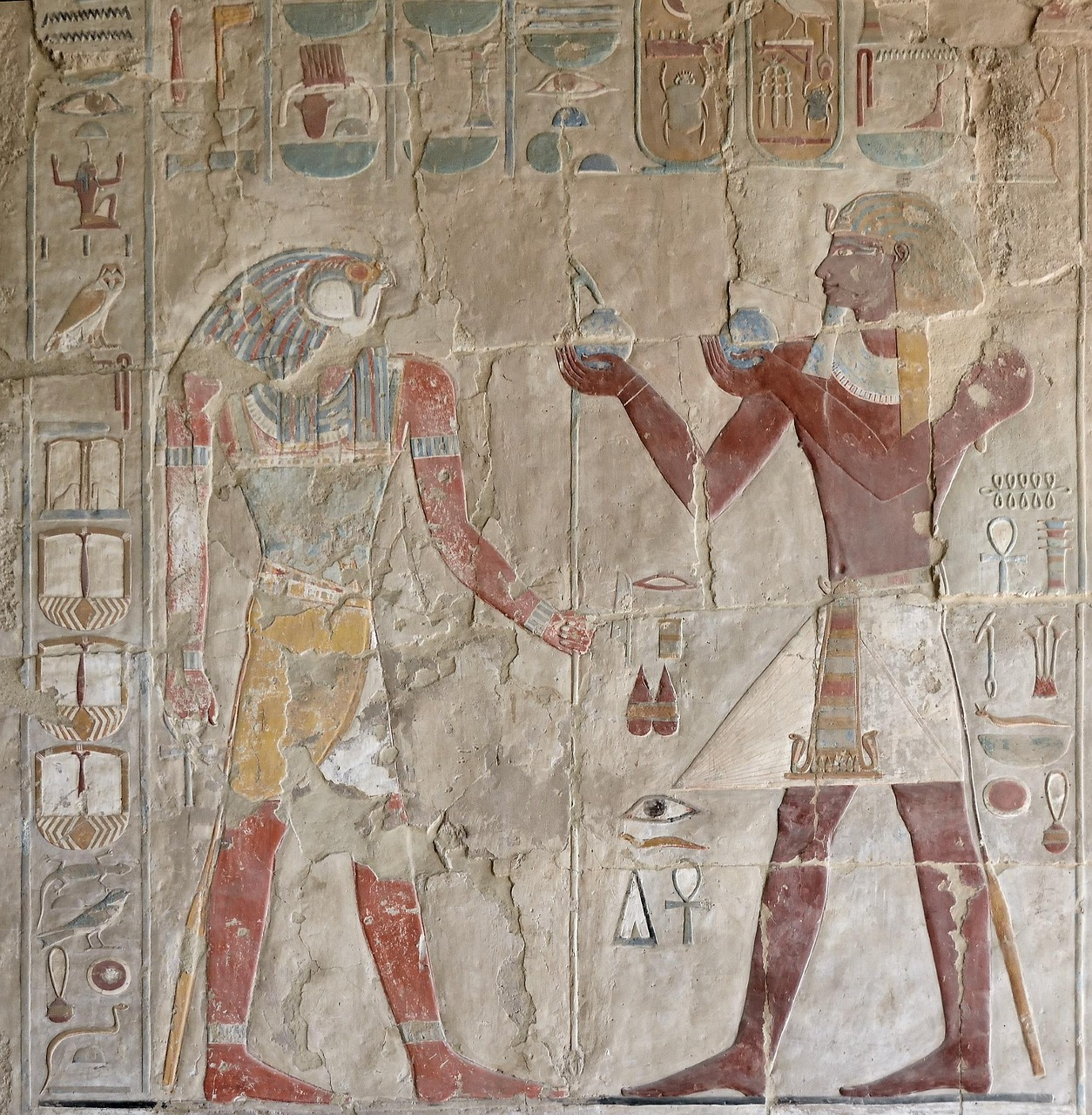
As you approach the temple, the scale and precision of its architecture unfold. The terraces were once lined with lush gardens and exotic trees — including frankincense brought from Hatshepsut’s famous expedition to the Land of Punt — a testament to her economic power and visionary leadership. Inside, beautifully preserved reliefs bring her story to life: scenes of her divine birth, coronation, and groundbreaking trading ventures illustrate how she legitimized her rule in a society dominated by male pharaohs.
Among its most captivating features are:
✔ The Colonnaded Terraces:
Rows of graceful pillars framing open courtyards and monuments to the gods, reflecting classical elegance centuries before Greek architecture flourished.
✔ The Chapel of Hathor:
Dedicated to the goddess of love and music, adorned with columns featuring Hathor’s gentle cow-eared visage.
✔ The Anubis Shrine:
Honoring the god of the afterlife, decorated with intricate scenes depicting funerary rituals and divine protection.
✔ The Punt Expedition Reliefs:
Some of Egypt’s most detailed historical records, showcasing ships, foreign lands, and exotic goods brought back to Egypt.
Despite periods of destruction — especially during later attempts to erase Hatshepsut’s legacy — much of the temple has been carefully restored. Today, it stands as an enduring monument to her exceptional leadership and innovative vision. Visiting this masterpiece offers not only a window into ancient Egypt’s engineering genius but also a deeper understanding of one of history’s most remarkable female rulers.
The Temple of Hatshepsut is more than a historical site — it is a story carved in stone, a celebration of power, resilience, and timeless beauty. For travelers exploring Luxor’s West Bank, it is undoubtedly one of Egypt’s most inspiring and unforgettable experiences.