The Black Desert, Egypt
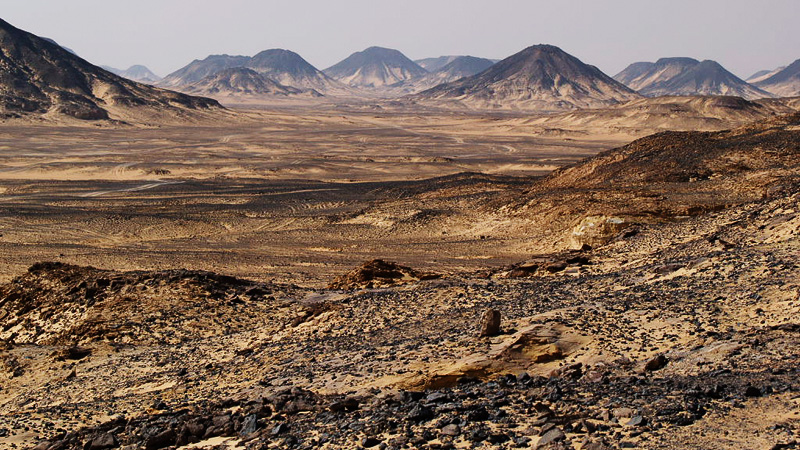
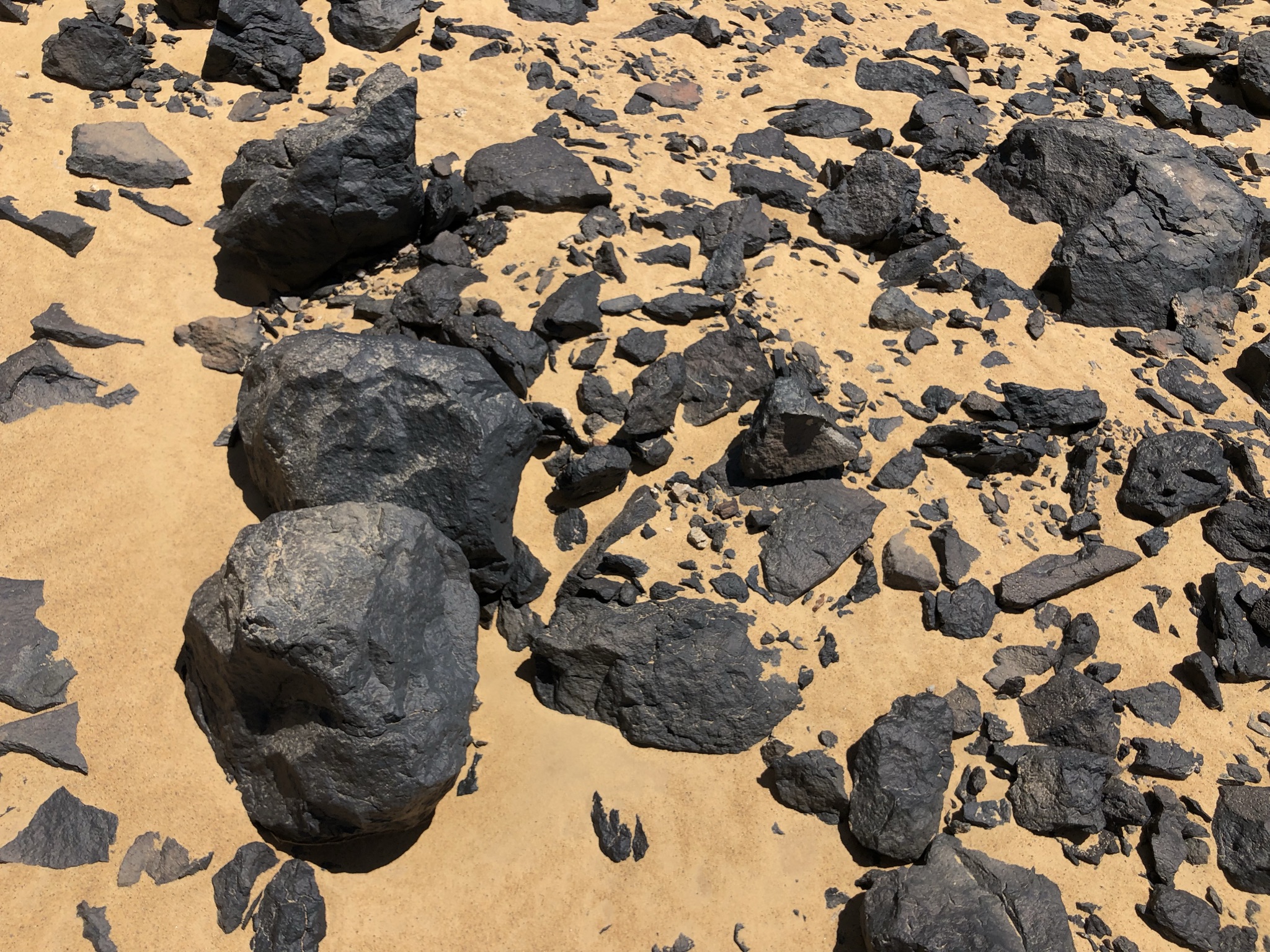
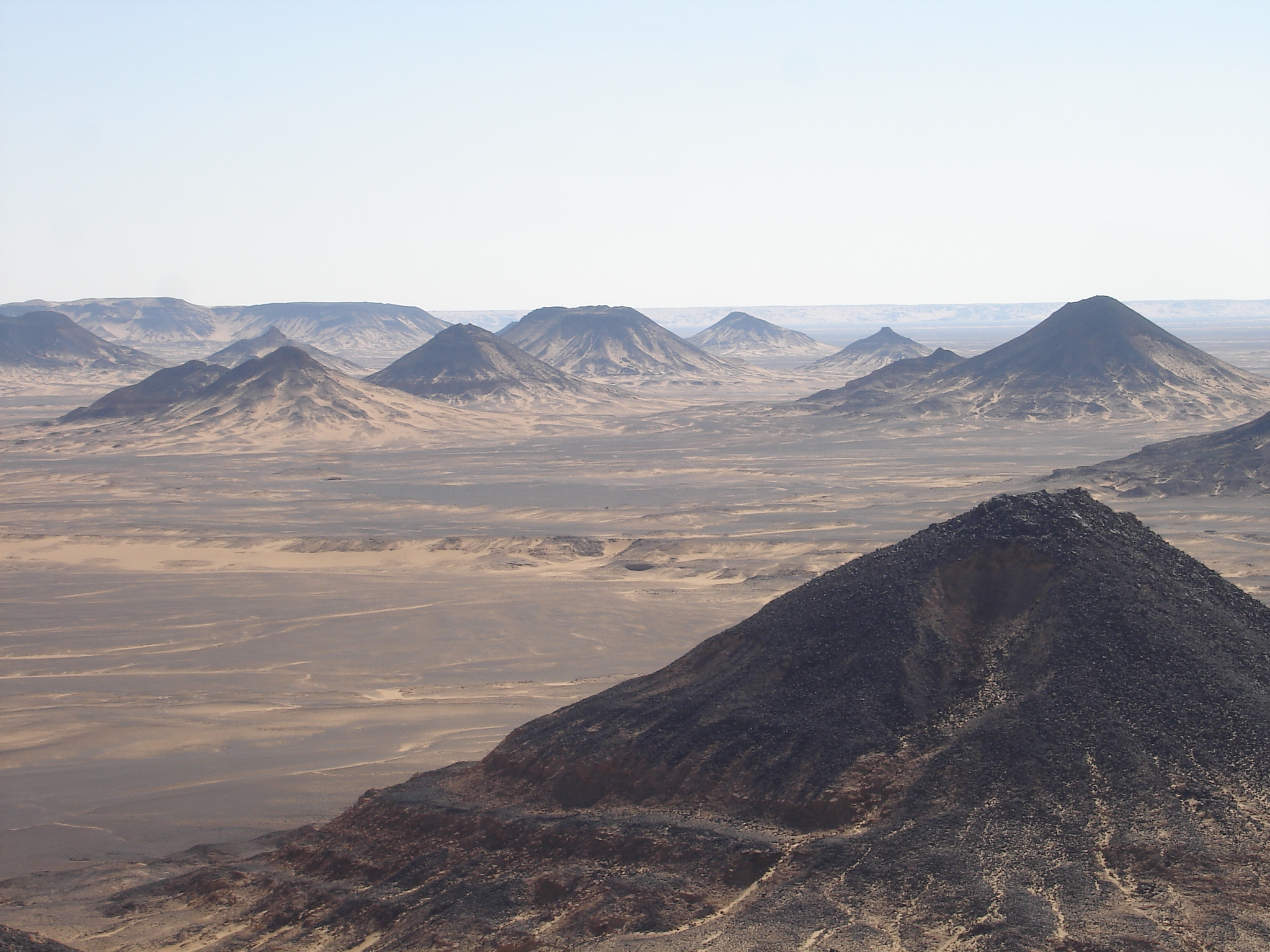
The Black Desert is one of Egypt’s most striking and mysterious natural landscapes. Located in the Western Desert between the Bahariya Oasis and Farafra Oasis, this unique region is famous for its dark volcanic hills, blackened mountain tops, and dramatic desert scenery. Unlike the bright limestone formations of the nearby White Desert, the Black Desert is covered with volcanic rocks and black basalt, giving it its distinctive name and powerful appearance.
A Landscape Formed by Volcanoes
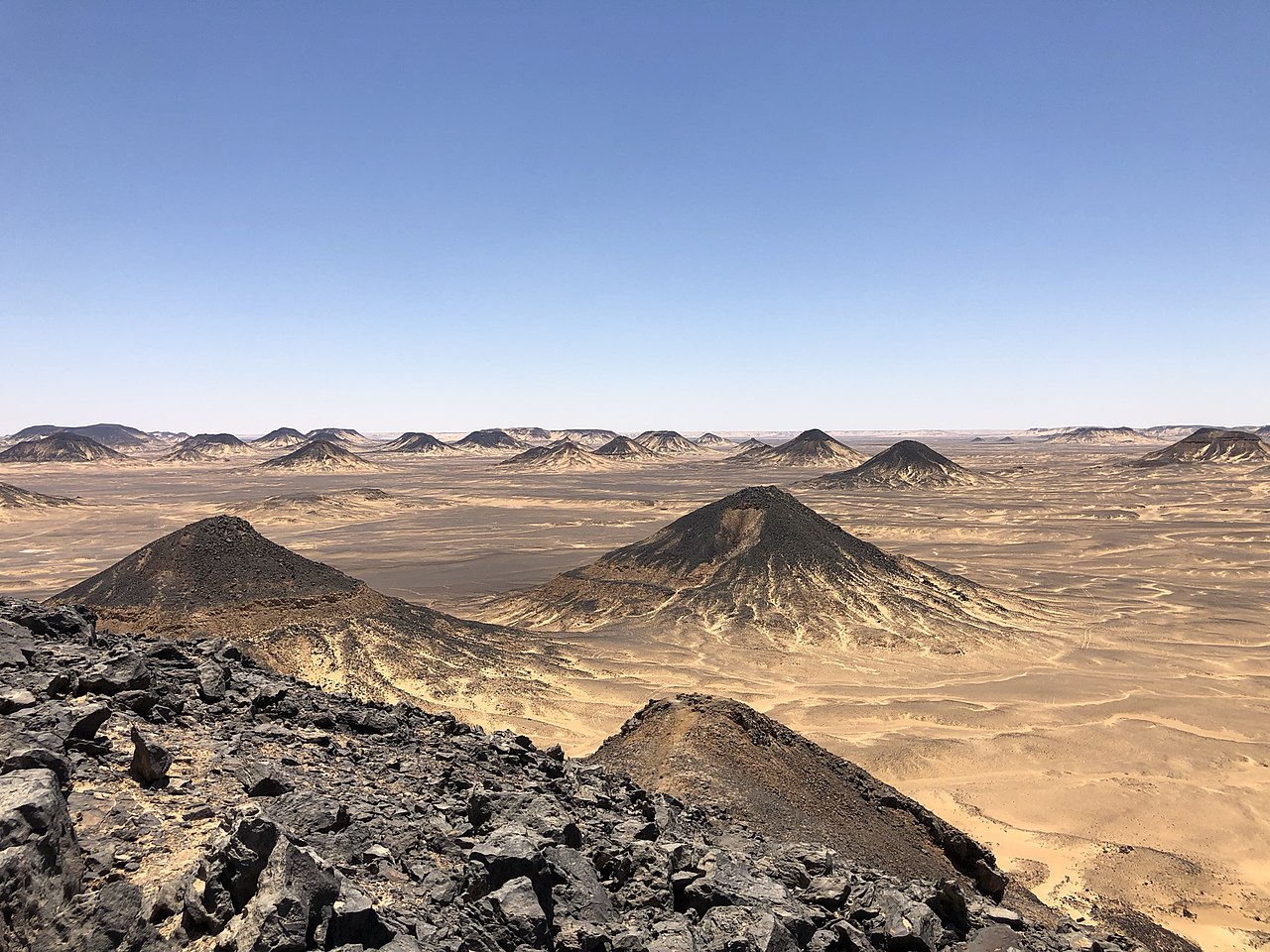
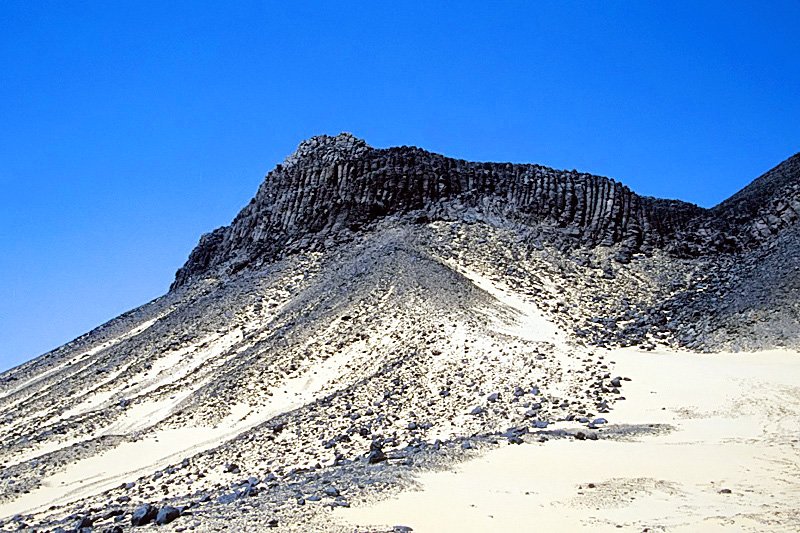
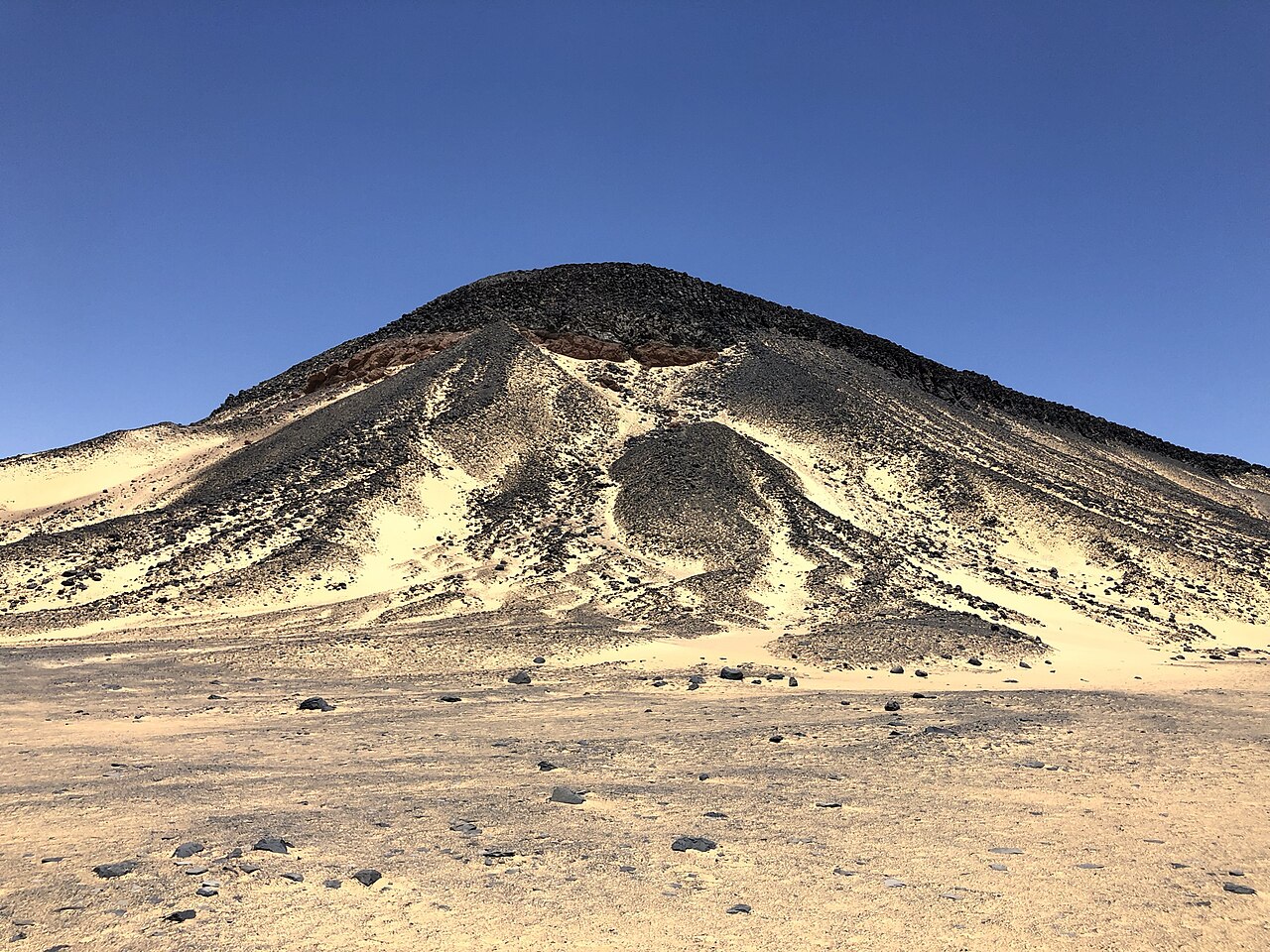
The Black Desert was formed millions of years ago due to volcanic activity. Over time, volcanic eruptions left behind layers of dark basalt and dolerite rocks that now cap many of the desert’s hills and mountains. As wind and sand eroded the softer sandstone beneath, the harder black rocks remained, creating cone-shaped hills dusted with black stones.
The contrast between the golden desert sands and the dark volcanic rocks creates a dramatic and unforgettable view, especially during sunrise and sunset when the colors of the landscape shift beautifully under the desert light.
The Famous Black Volcano Hills
The desert is dotted with dozens of small volcanic hills that look like miniature mountains. One of the most well-known is the English Mountain (Gebel al-Ingleez), which once served as a British observation post during World War I. From the top, visitors can enjoy panoramic views of the surrounding desert and the lush green patches of Bahariya Oasis in the distance.
These hills are not active volcanoes today, but their geological formations provide insight into Egypt’s ancient natural history.
Wildlife and Desert Environment
Despite its harsh conditions, the Black Desert supports resilient desert life. Small reptiles, desert foxes, insects, and migratory birds inhabit the region. Scattered acacia trees and hardy desert plants grow in areas where underground water sources are present.
The silence of the desert, combined with its wide open spaces, makes it a perfect escape for those seeking tranquility and connection with nature.
Visiting the Black Desert
The Black Desert is usually visited as part of a Western Desert safari tour. Many trips combine it with nearby attractions such as:
Exploration is typically done by 4×4 vehicles due to the rough terrain. Visitors often stop to climb one of the volcanic hills for spectacular views or to take photographs of the unique landscape.
Best Time to Visit
The ideal time to visit the Black Desert is between October and April, when temperatures are cooler and more comfortable for desert exploration. Summer temperatures can be extremely high, so guided tours and proper preparation are essential.
A Unique Desert Experience
The Black Desert offers a completely different side of Egypt beyond the pyramids and temples. Its volcanic formations, quiet beauty, and raw natural atmosphere make it a must-visit destination for adventure travelers, photographers, and nature enthusiasts.
Together with the White Desert, it forms one of the most extraordinary desert experiences in North Africa — a journey through landscapes shaped by fire, wind, and time.