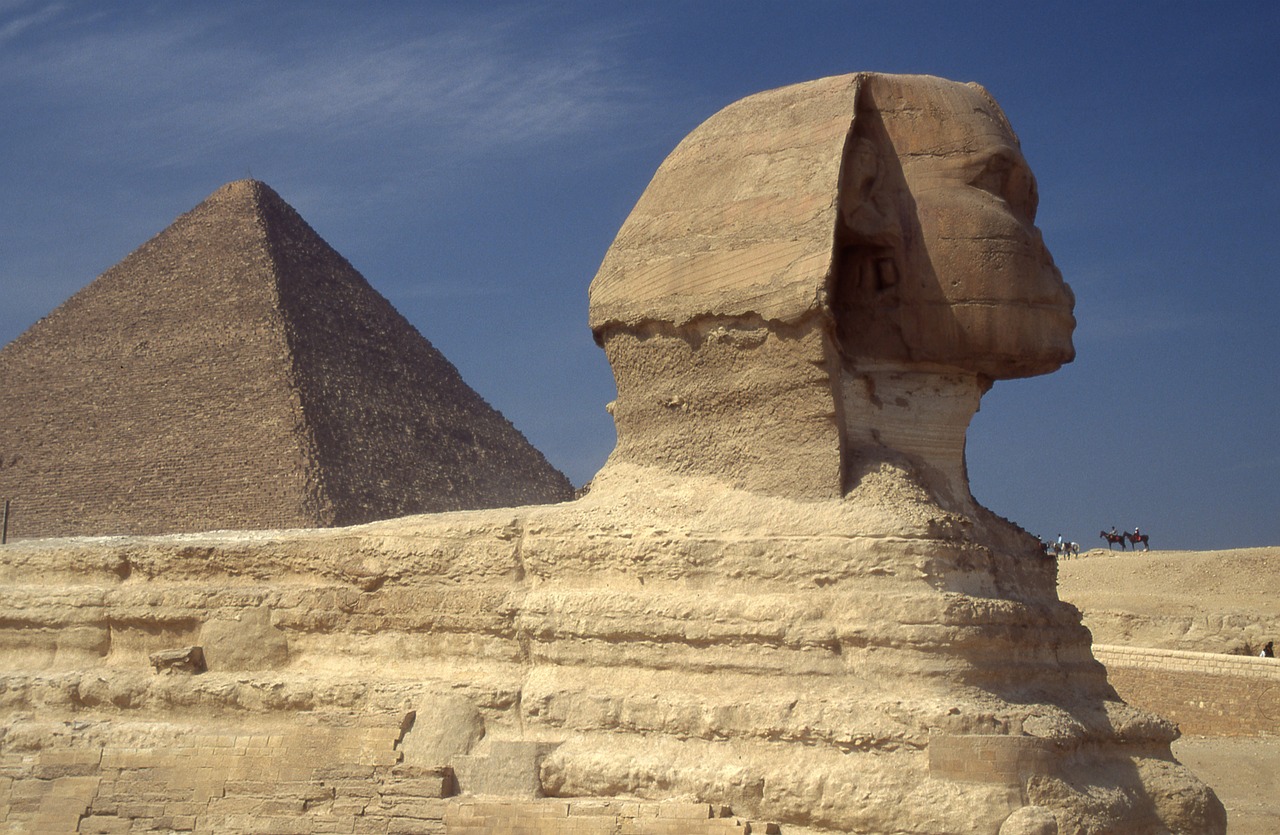
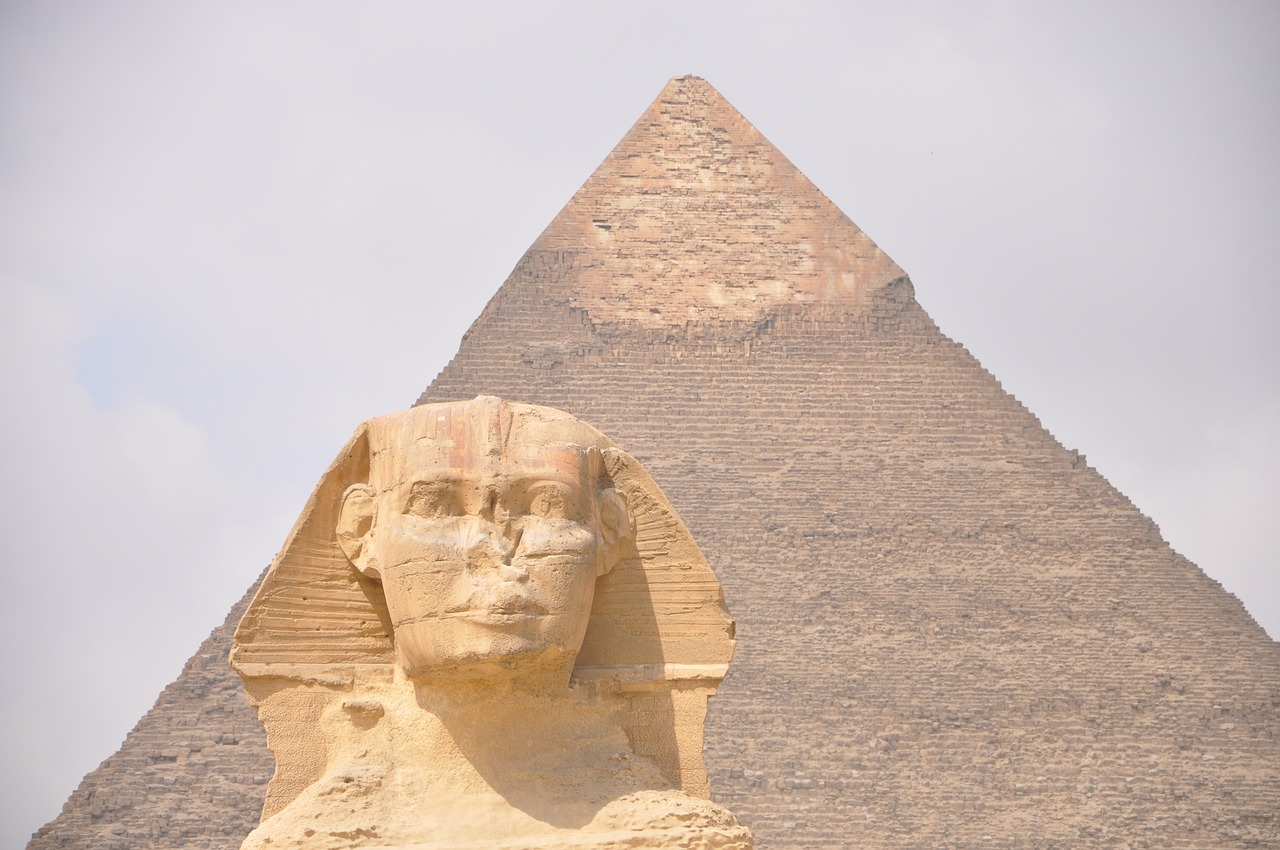
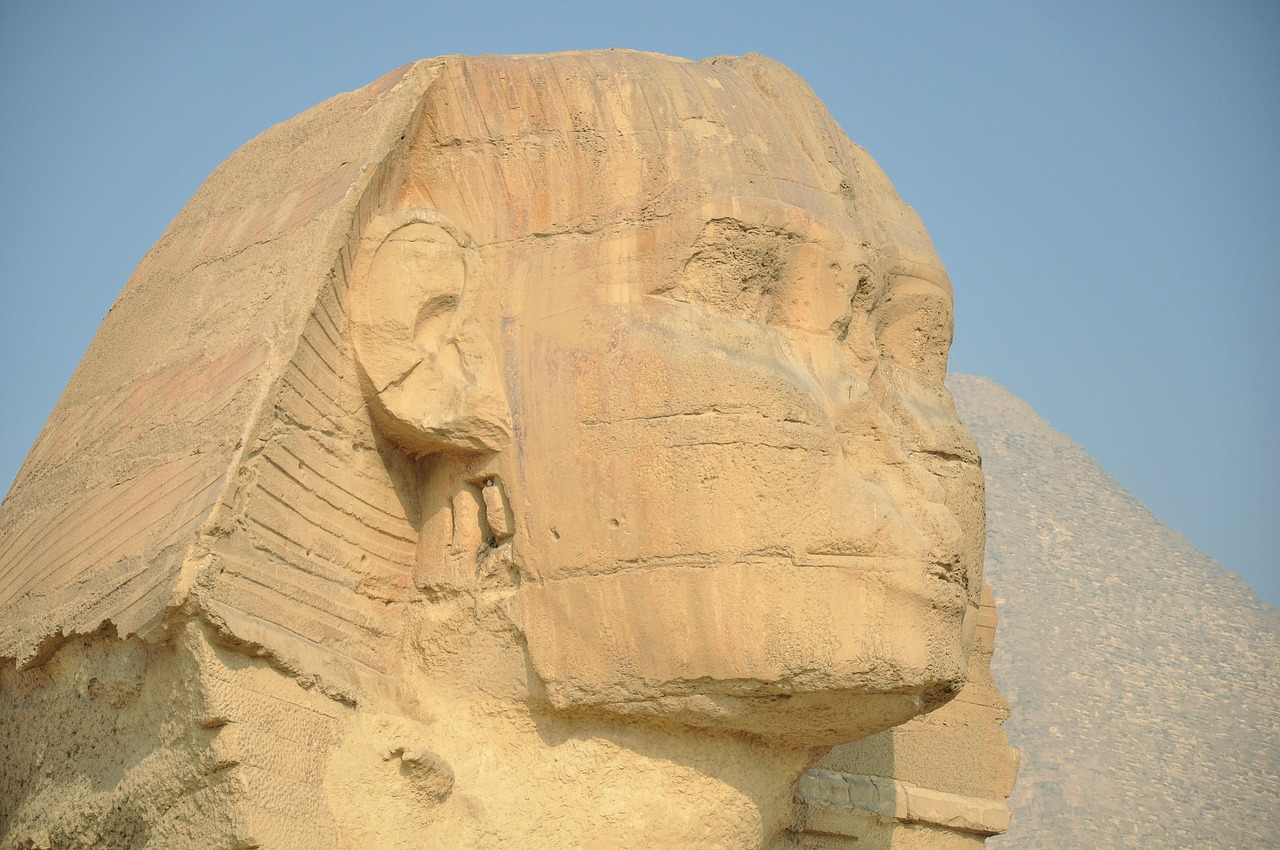
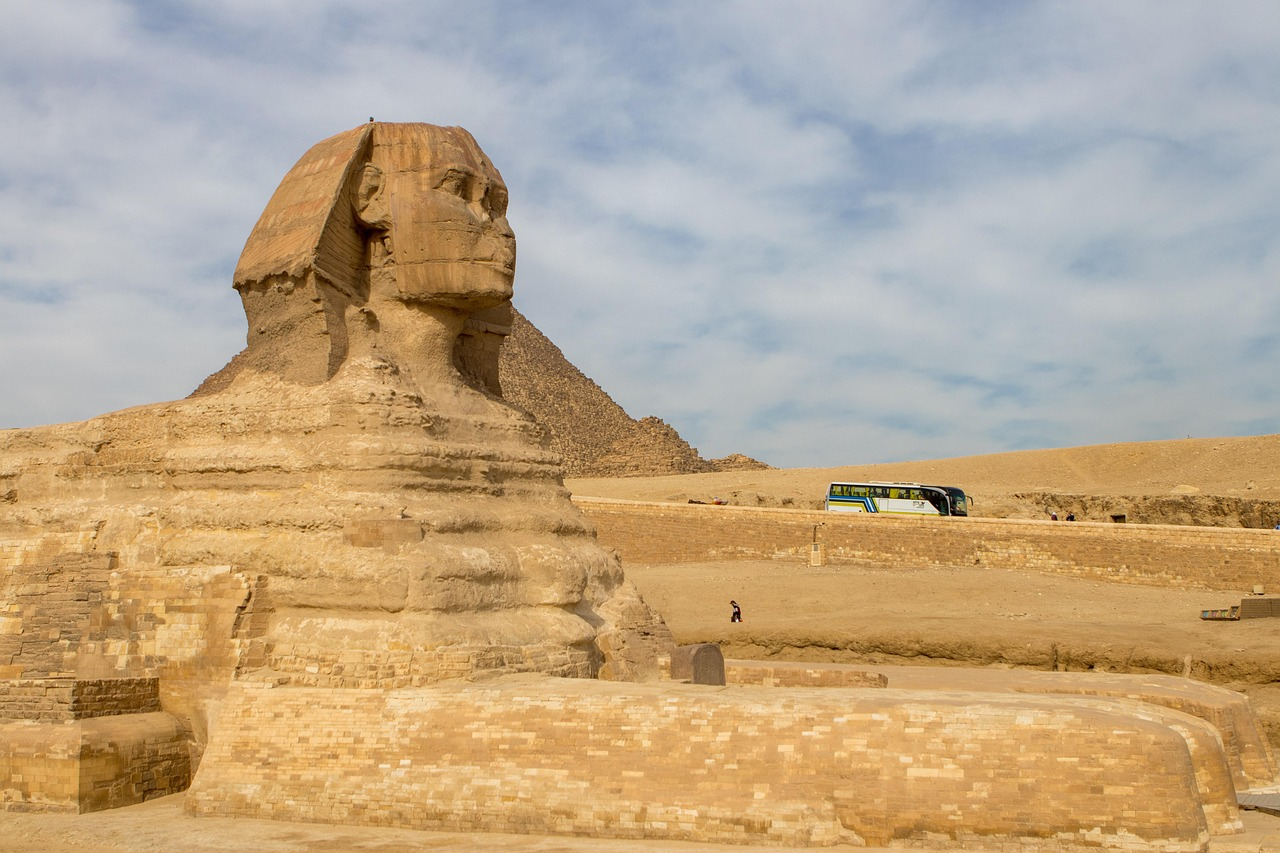
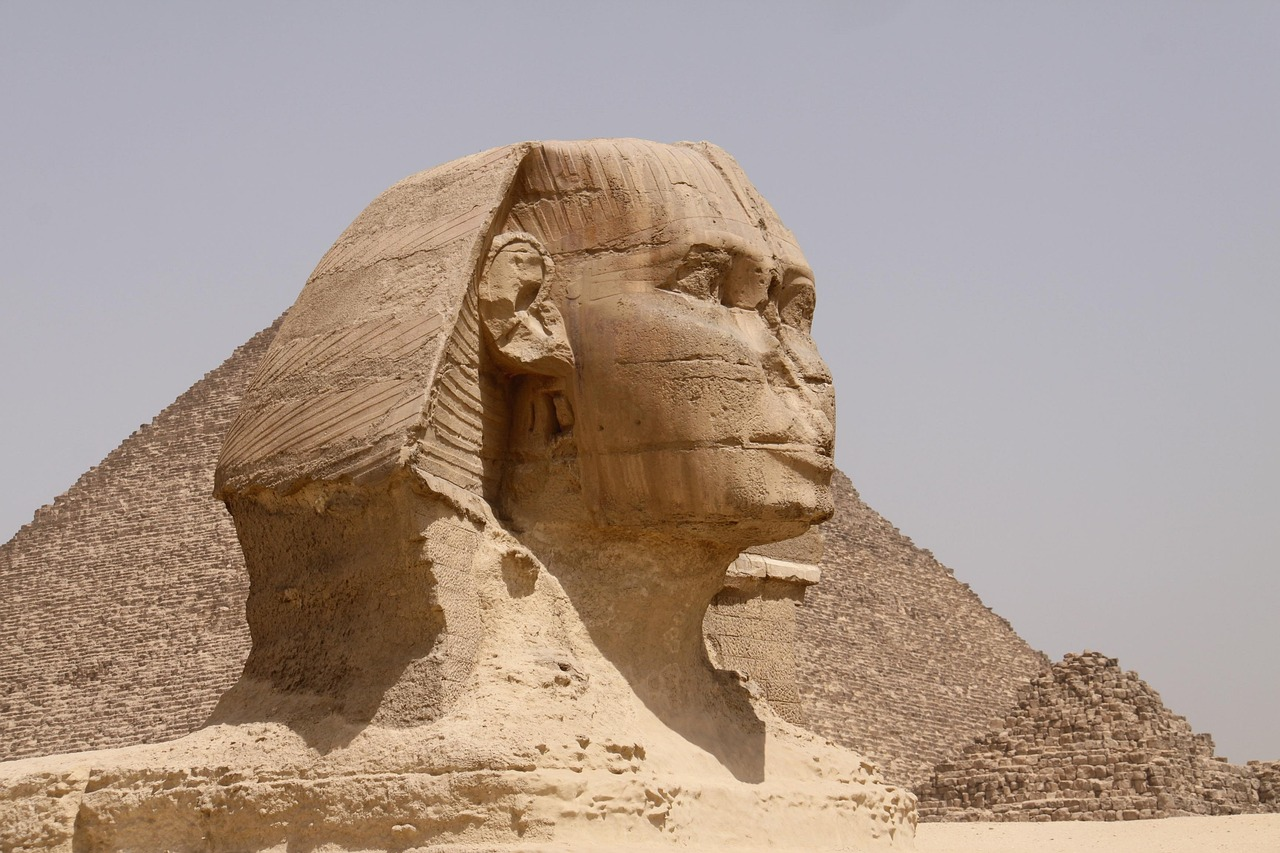
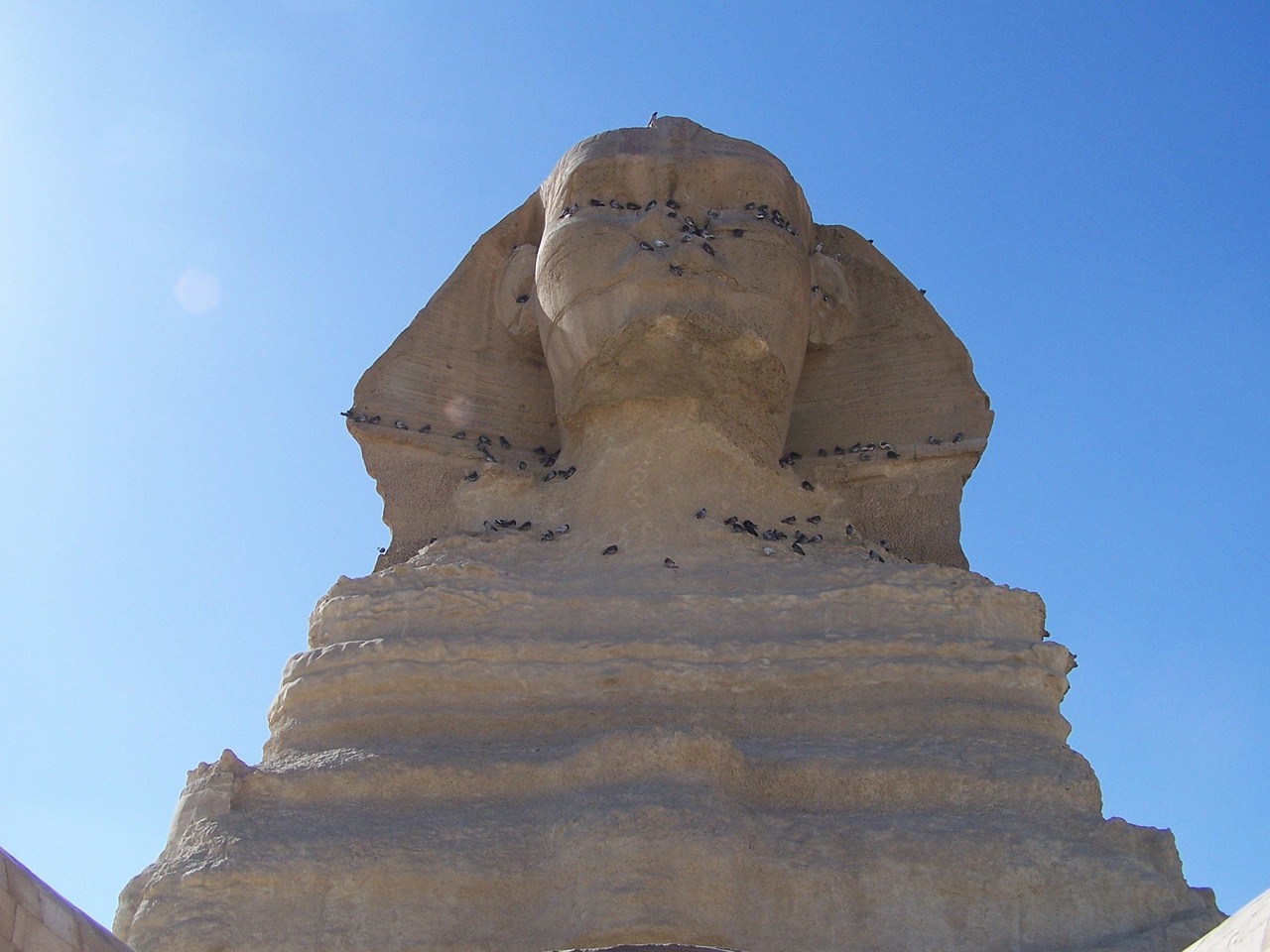
The Great Sphinx of Giza is one of the most iconic monuments of ancient Egypt and a powerful symbol of mystery, strength, and endurance. Carved directly from limestone on the Giza Plateau, this colossal statue measures about 73 meters (240 feet) long and 20 meters (66 feet) high, making it one of the largest and oldest monolithic statues in the world. With the body of a reclining lion and the head of a human—widely believed to represent Pharaoh Khafre—the Sphinx embodies the ancient Egyptian fusion of human intelligence and animal strength, serving as both a guardian of the pyramids and a timeless masterpiece of art and engineering.
For thousands of years, the Great Sphinx has sparked fascination and debate. Scholars continue to study its purpose, construction techniques, and the erosion patterns that suggest it has withstood countless centuries of wind, sand, and time. Myths and legends surround the monument, from tales of hidden chambers beneath its paws to stories linking it with celestial alignments and spiritual symbolism. Visitors today can admire the Sphinx up close, standing in awe before its massive form while imagining the rituals, ceremonies, and daily life that once took place in its shadow.
As part of any Pyramids of Giza tour, the Great Sphinx is an unmissable highlight, offering a direct connection to the grandeur of ancient Egyptian civilization. Whether viewed at sunrise with the desert glowing in golden light, or during evening sound-and-light shows that narrate its story, the Sphinx continues to inspire wonder, making it a centerpiece of any journey to Egypt and Cairo.