
A Journey Into Egypt’s Eternal Legacy
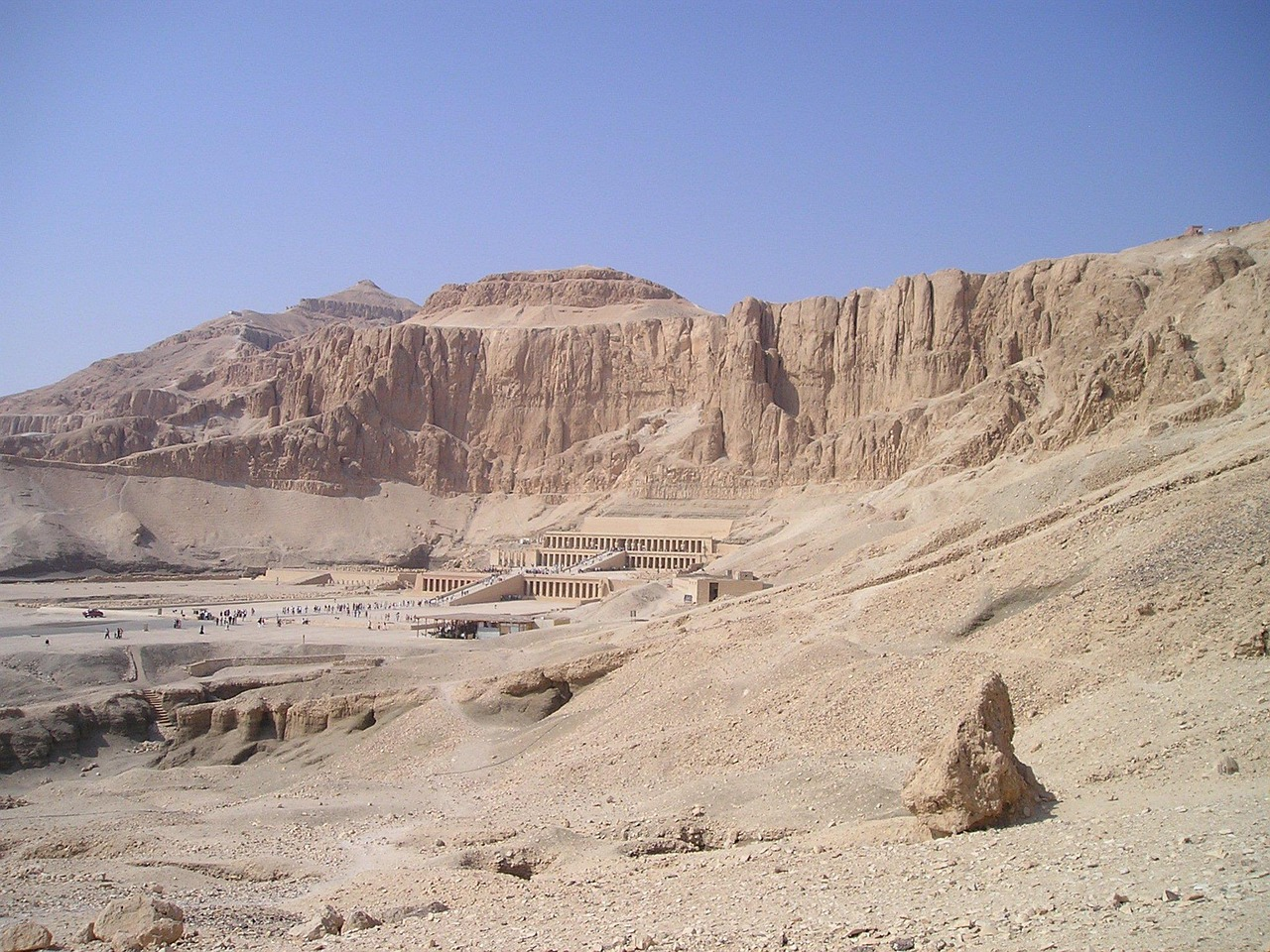
Hidden within the rugged cliffs of Luxor’s west bank lie two of the most extraordinary archaeological treasures in the world: the Valley of the Kings and the Valley of the Queens. These sacred burial grounds served as the final resting places for Egypt’s most powerful rulers, their families, and members of the royal court. Today, they offer visitors a breathtaking look into ancient Egyptian beliefs about the afterlife, royal traditions, and artistic mastery that has endured for more than 3,000 years.
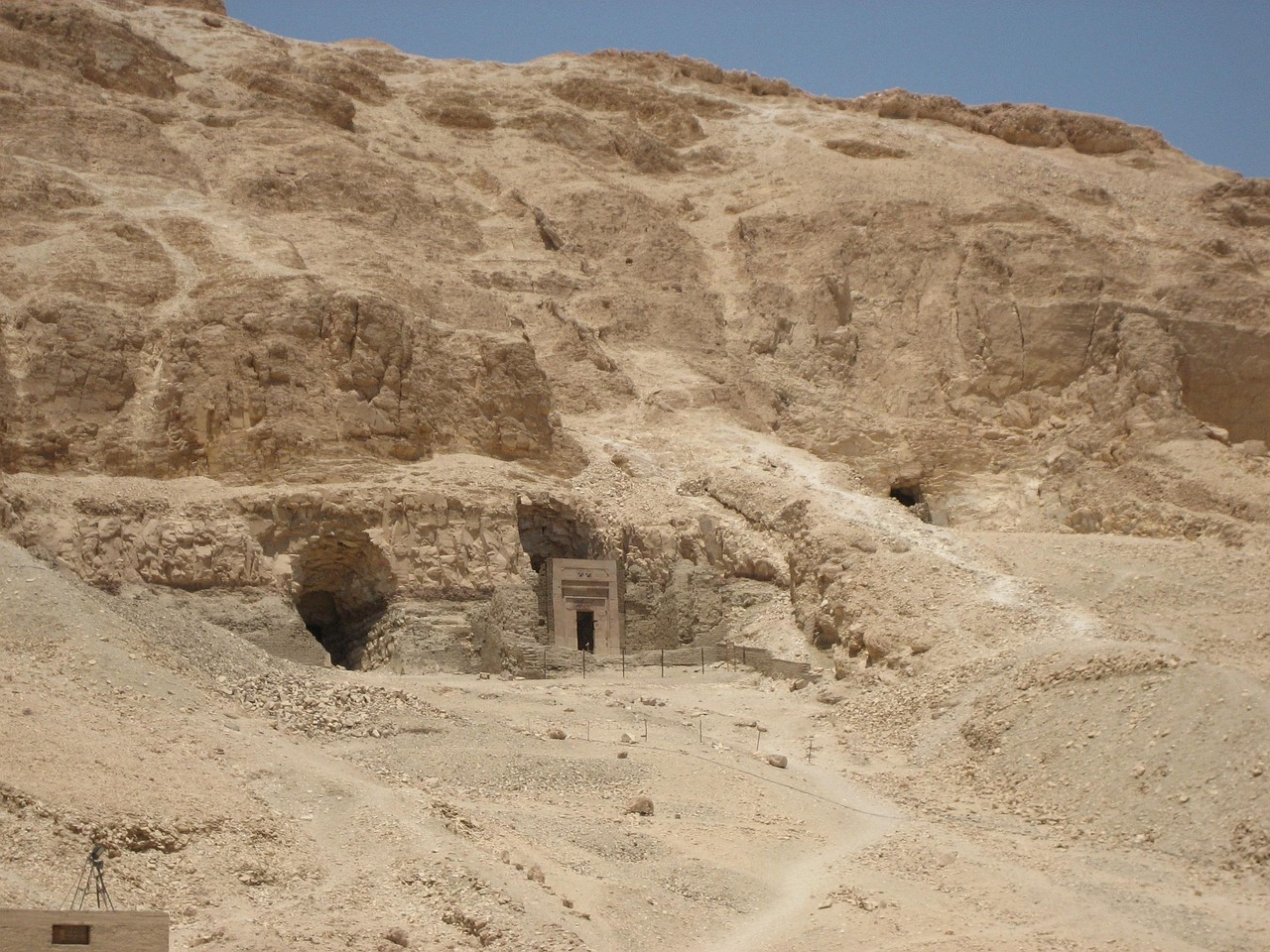
For over five centuries—from the 16th to the 11th century BC—the Valley of the Kings was the chosen burial site for Egypt’s New Kingdom pharaohs, including iconic rulers such as Tutankhamun, Ramses II, Seti I, and Thutmose III. Unlike the massive pyramids of the Old Kingdom, these tombs were carved deep into the limestone cliffs to protect them from tomb raiders and to symbolize the pharaoh’s journey into the realm of the gods.
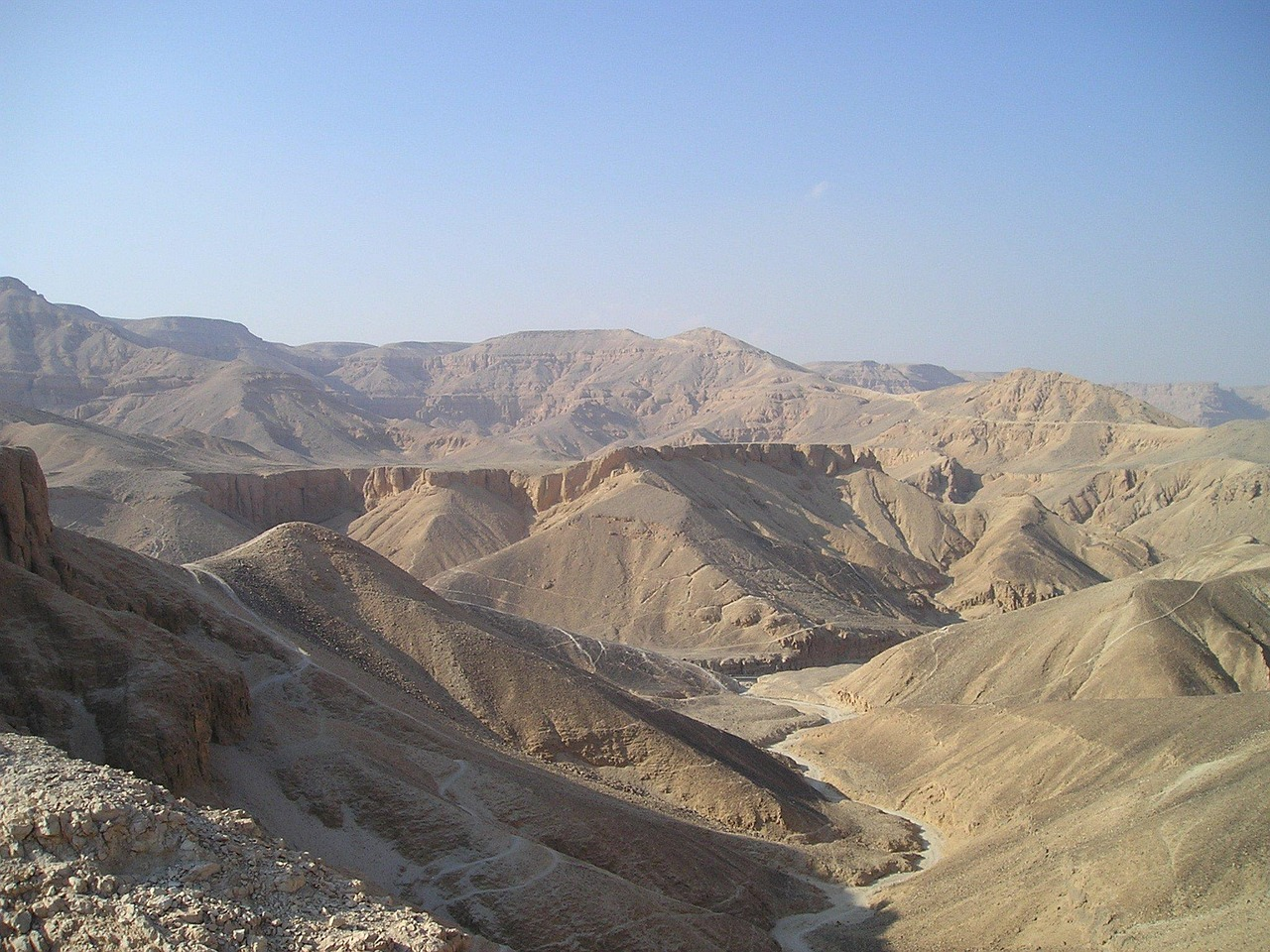
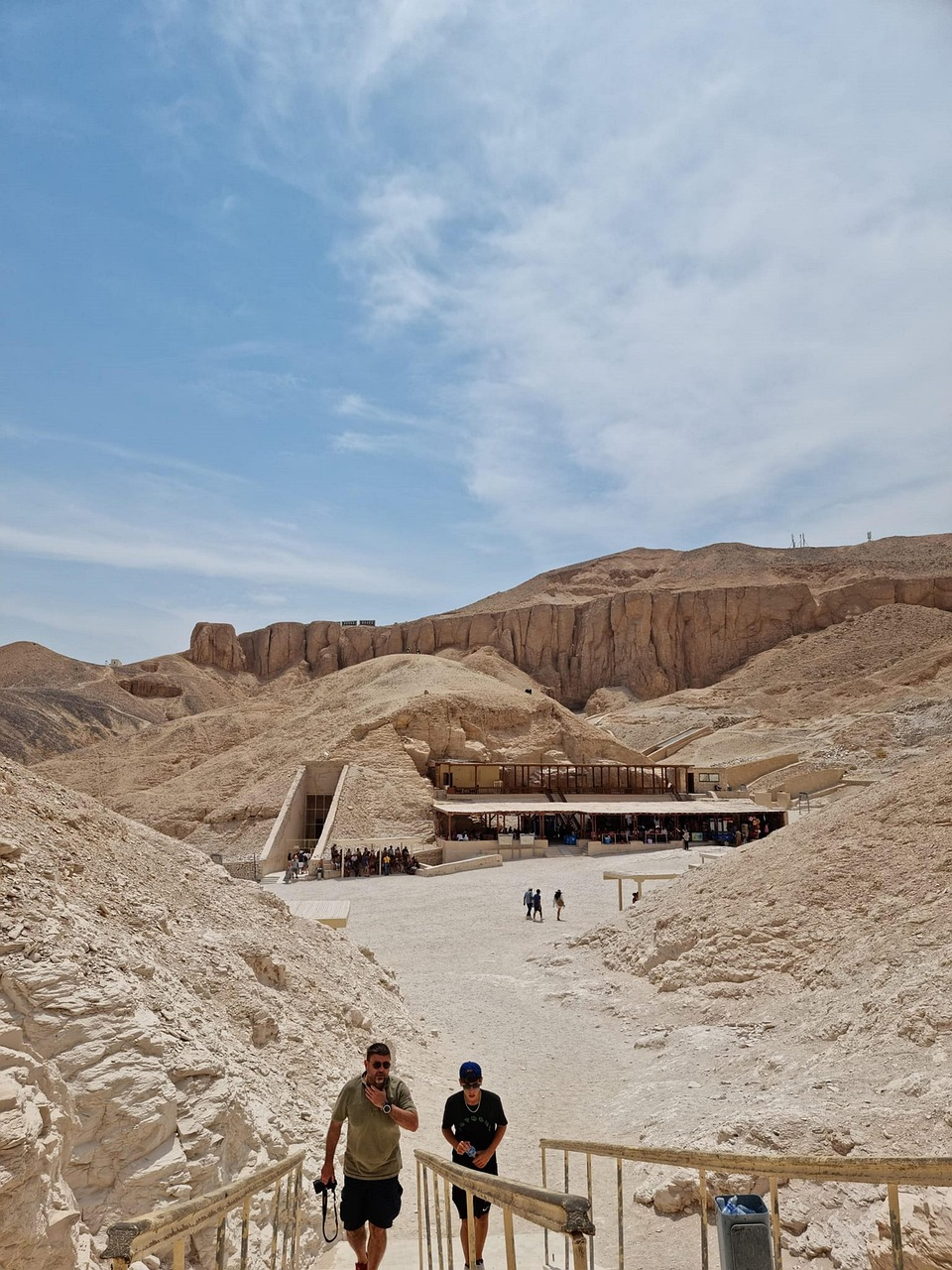
Walking through the valley is like stepping into a natural amphitheater of golden desert hills, each concealing hidden passages painted with vibrant scenes describing the pharaoh’s journey into the afterlife. Visitors can explore a rotation of tombs, each more stunning than the next.
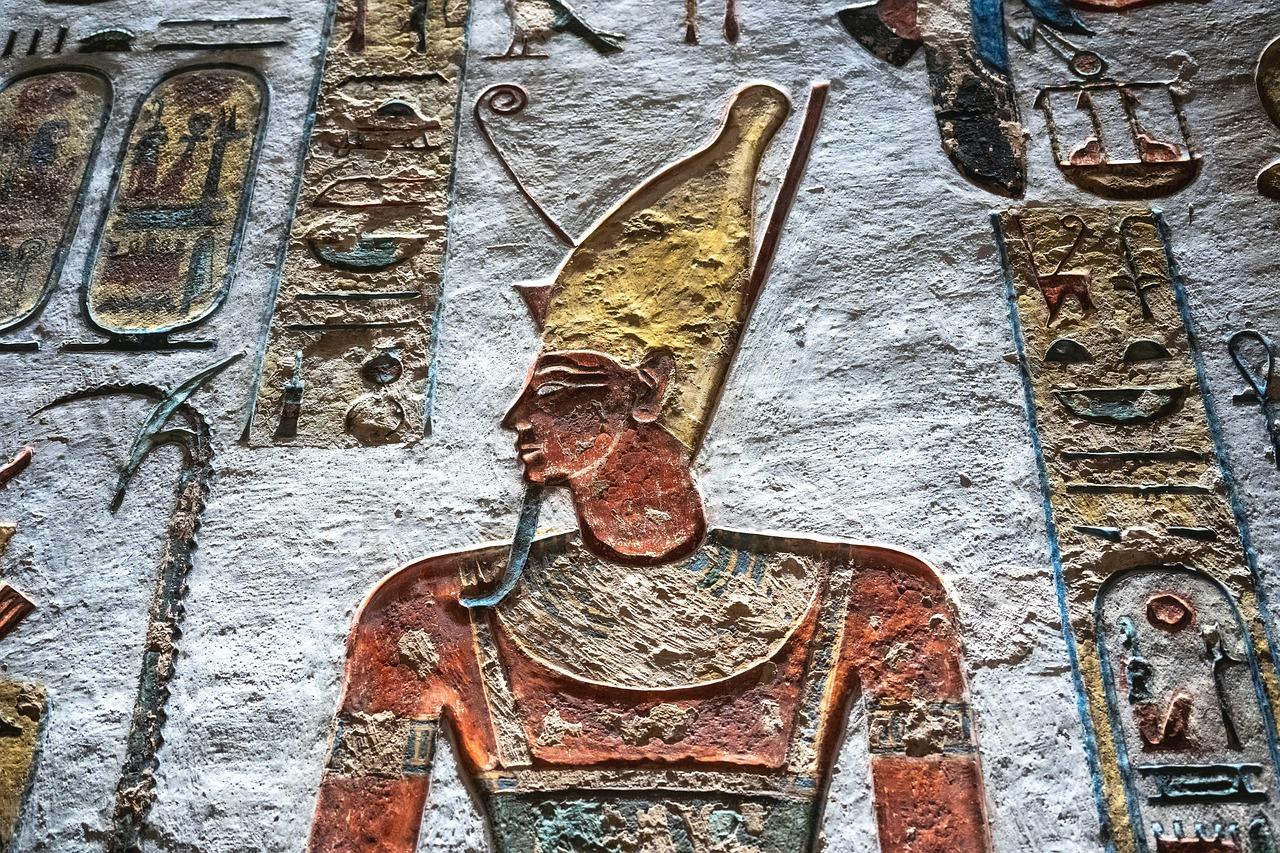
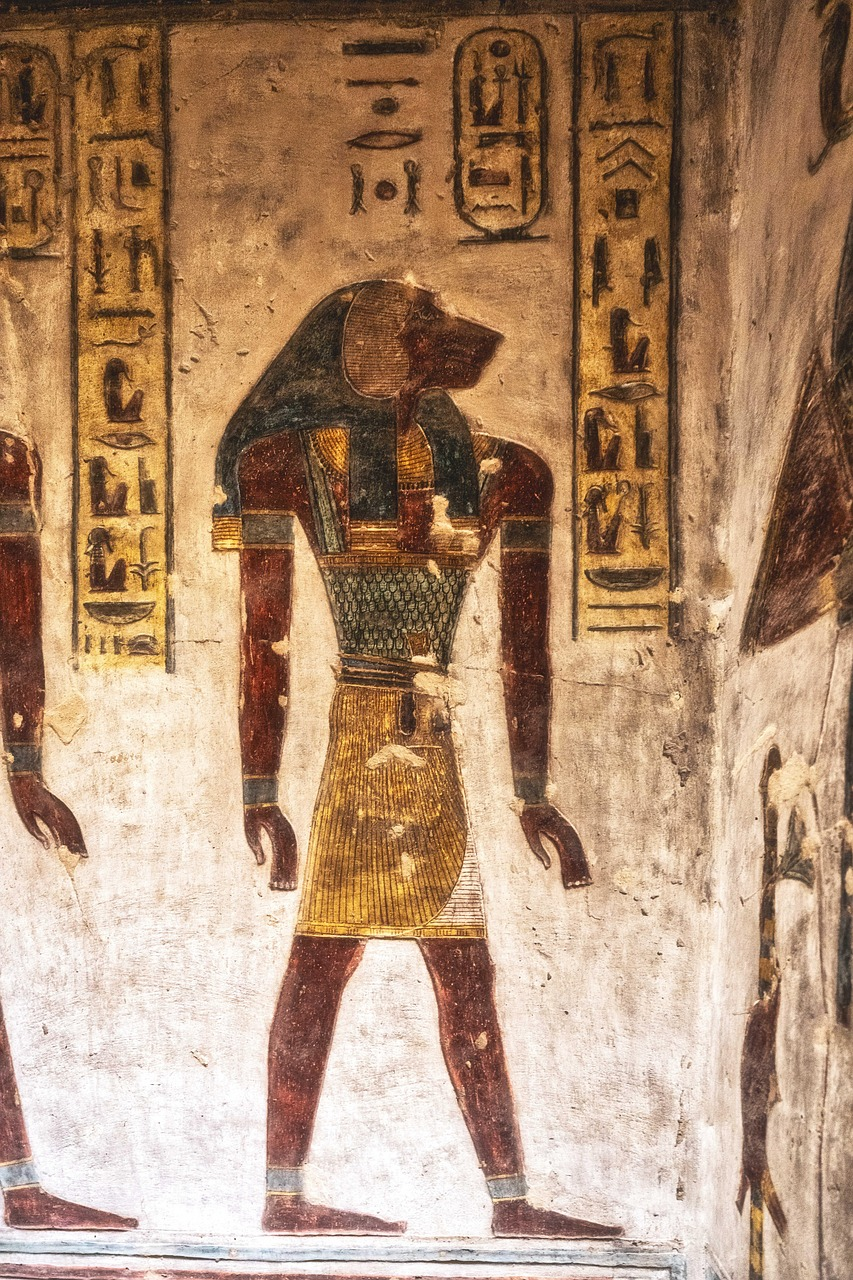
Incredible Wall Art: The tomb corridors and burial chambers are decorated with detailed hieroglyphics, celestial maps, and representations of gods guiding the pharaoh to eternity.
Complex Layouts: Multi-level tunnels descend deeper into the earth, reflecting the pharaoh’s symbolic descent into the underworld.
Tutankhamun’s Tomb: The most famous discovery in archaeology, found intact by Howard Carter in 1922. The tomb is smaller than others but remains iconic for the treasures it once held.
A Living Archaeological Site: Excavations continue today—new findings are still being uncovered, offering fresh insights into ancient Egyptian beliefs and art.
Located southwest of the Valley of the Kings lies the serene and more intimate Valley of the Queens, known in ancient times as Ta-Set-Neferu, meaning “The Place of Beauty.” This valley served as the burial ground for queens, princesses, and royal children of the 19th and 20th dynasties.
The jewel of the valley is the famous Tomb of Queen Nefertari, wife of Ramses II, often described as the Sistine Chapel of Ancient Egypt because of its astonishingly preserved colors and detailed artwork. Though only accessible occasionally due to conservation efforts, the tomb stands as one of the most beautiful in all of Egypt.
Nefertari’s Tomb (QV66): A breathtaking masterpiece decorated with vivid scenes of the queen with the gods, guiding her into the afterlife.
Tombs of Royal Children: Tender scenes and inscriptions that reflect the high status and cherished place royal children held in ancient society.
Peaceful Landscape: Compared to the Valley of the Kings, the Valley of the Queens offers quieter surroundings and a more intimate experience.
Together, the Valley of the Kings and the Valley of the Queens represent the pinnacle of ancient Egyptian burial architecture and religious belief. They offer a rare opportunity to see original colors, carvings, and inscriptions as vivid as they were thousands of years ago. These valleys reveal:
The evolution of royal tomb construction
Ancient Egyptian cosmology and beliefs about the afterlife
Exceptional artistry and craftsmanship
The daily life, rituals, and ambitions of pharaohs and queens
A visit here is not just an archaeological experience—it’s a journey into the heart of Egypt’s most sacred secrets.