
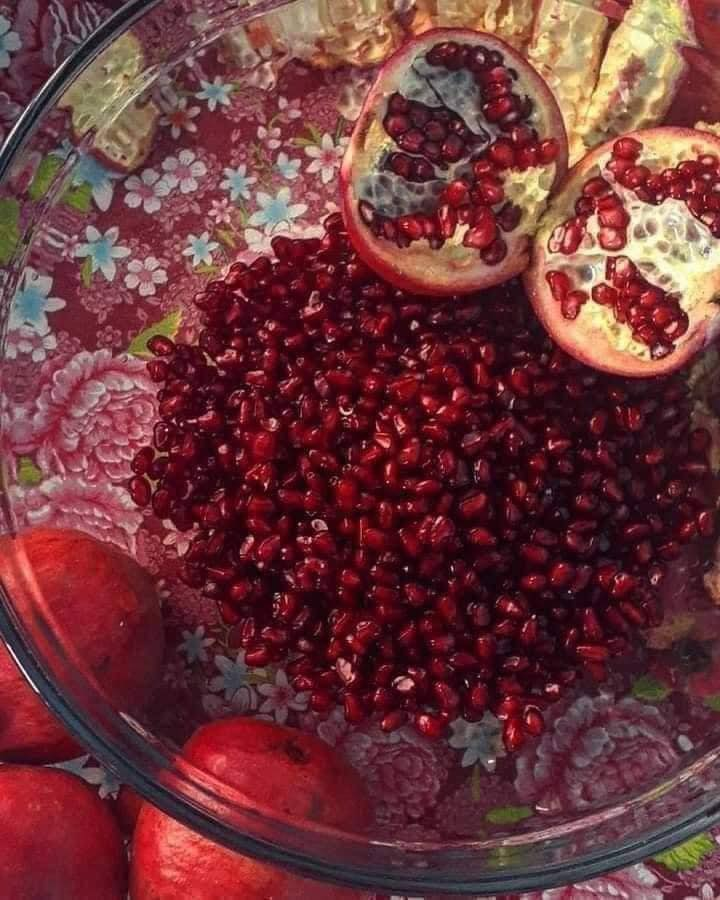
October in Jordan brings more than perfect weather—it brings one of the country’s most delicious traditions
There are moments in travel that can’t be planned. No itinerary can schedule them, no tour operator can guarantee them, and no five-star hotel can replicate them. They happen in the spaces between destinations, in the unscripted pauses that define authentic travel.
On the road between Amman and Petra, somewhere between the capital’s urban sprawl and the rose-red city’s ancient facades, one of these moments awaits every October.
As autumn settles over Jordan, roadside vendors appear like clockwork along Highway 35—the Desert Highway that connects the country’s north and south. Their stalls are modest: sometimes just a pickup truck bed, sometimes a simple tarp stretched over wooden posts. But what they’re selling is anything but ordinary.
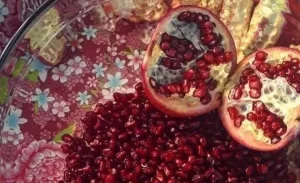
Mountains of pomegranates.
Not the shipped, stored, and supermarket kind. These are pomegranates picked that morning from family orchards, their skin still holding the coolness of dawn, their color ranging from deep burgundy to sunset pink.
In Jordan, pomegranates carry weight beyond their considerable nutritional value. The fruit appears in ancient mosaics across the country, features in traditional medicine, and shows up in everything from main dishes to desserts. The Arabic word for pomegranate—rumman—echoes through poetry and proverbs.
But the real magic happens when a vendor takes your selection, cuts it in half with practiced precision, and places it in a hand-cranked press. What emerges is something that will ruin store-bought pomegranate juice for you forever.
For approximately 2 Jordanian Dinars (around $3 USD), you get a glass of fresh-pressed pomegranate juice that tastes like concentrated sunlight. It’s sweet but not cloying, tart but not overwhelming, and so fresh you can taste individual notes that bottled juice simply can’t capture.
The vendors will often offer you a taste first—a small cup pressed from the fruit you’re considering. There’s no pressure, just pride in their product and the quiet confidence of someone who knows what they’re selling is exceptional.
This isn’t a tourist trap. These are working farms selling to locals and travelers alike. The prices don’t change based on your accent. The experience doesn’t require bargaining or navigating complex vendor dynamics. It’s just honest trade: exceptional product, fair price, genuine interaction.
When: October through early November is peak season, though you can find pomegranates into December.
Where: Primarily along the Desert Highway (Highway 35) between Amman and Petra. Look for clusters of vendors, especially around the halfway point.
Cost: 1.5-3 JOD per large glass of fresh juice, depending on size and vendor.
Time: Factor in 10-15 minutes for a proper stop—time to select fruit, have it pressed, and enjoy the juice without rushing.
Pro tip: If you’re traveling with a cooler, vendors will sell whole pomegranates by the kilo at exceptionally fair prices. They travel well and make excellent gifts back home.
The pomegranate stop teaches something crucial about travel in Jordan: the best experiences often happen in the margins. They happen when you’re flexible enough to pause, present enough to notice, and willing enough to deviate from the printed itinerary.
Jordan’s appeal isn’t just ancient ruins and dramatic landscapes—though it certainly has those. It’s also in these small human moments: sharing tea with a Bedouin family, watching a craftsperson work silver in Madaba, or yes, drinking impossibly fresh pomegranate juice on the side of the desert highway.
This is where local expertise matters. A DMC operating year-round in Jordan knows that:
Each season brings different roadside offerings, different flavors, different interactions. The vendors change, the produce changes, but the authenticity remains constant.
When we design itineraries, we’re not just connecting archaeological sites with efficient transfers. We’re creating space for authentic encounters. We’re building in flexibility for the unplannable. We’re briefing guides to watch for opportunities that turn good trips into stories people tell for years.
The pomegranate stop isn’t on Google Maps. It won’t appear in Lonely Planet. Your clients can’t book it on Viator.
That’s exactly why it matters.
Our team has been creating custom Jordan itineraries for over years. We know which roadside vendors have the best juice, which viewpoints catch the perfect light, and how to balance iconic sites with authentic moments.
Because the best Jordan itineraries aren’t just well-planned—they’re intelligently flexible.
Have questions about seasonal travel in Jordan? Drop us a message. We’re always happy to share what we’ve learned from years of watching clients discover our favorite country.