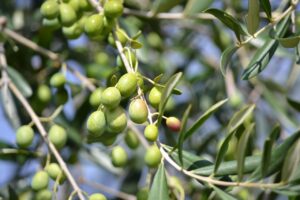


Jordan’s landscape is dotted with olive groves, some of which are home to trees that have stood for more than a thousand years. These ancient olive trees are not only natural wonders but also living symbols of the country’s rich agricultural and cultural heritage.
In northern regions like Ajloun, Irbid, and Jerash, you’ll find centuries-old olive trees, some dating back to Roman times. Locals proudly share stories of trees passed down through generations, and many families still tend to the same groves their ancestors did. These trees have withstood changing climates, empires, and eras, standing as a testament to resilience and tradition.
Olive cultivation is central to Jordanian life. Each autumn, families gather for the olive harvest, an event that blends hard work with celebration and hospitality. The resulting olive oil is prized for its flavor and quality, used in traditional dishes like mansaf and za’atar, and exported worldwide.

Jordan’s olive farmers are also pioneers in sustainable agriculture, using traditional and modern methods to preserve soil, water, and the health of their groves. Many of the oldest trees are protected by law, and olive oil production is increasingly moving toward organic certification.
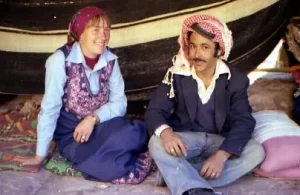
Visitors can tour ancient olive groves, participate in harvest festivities, and sample fresh olive oil right from the press. It’s an immersive way to connect with local communities and experience a living tradition that continues to shape Jordan’s landscape and identity.

Jordan’s ancient olive trees are more than just agricultural assets—they are guardians of history, culture, and sustainability for future generations.
#OliveTrees #Jordan #SustainableTravel #CulturalHeritage #AgriculturalTourism #TravelJordan #AncientTrees #OliveHarvest #VisitJordan