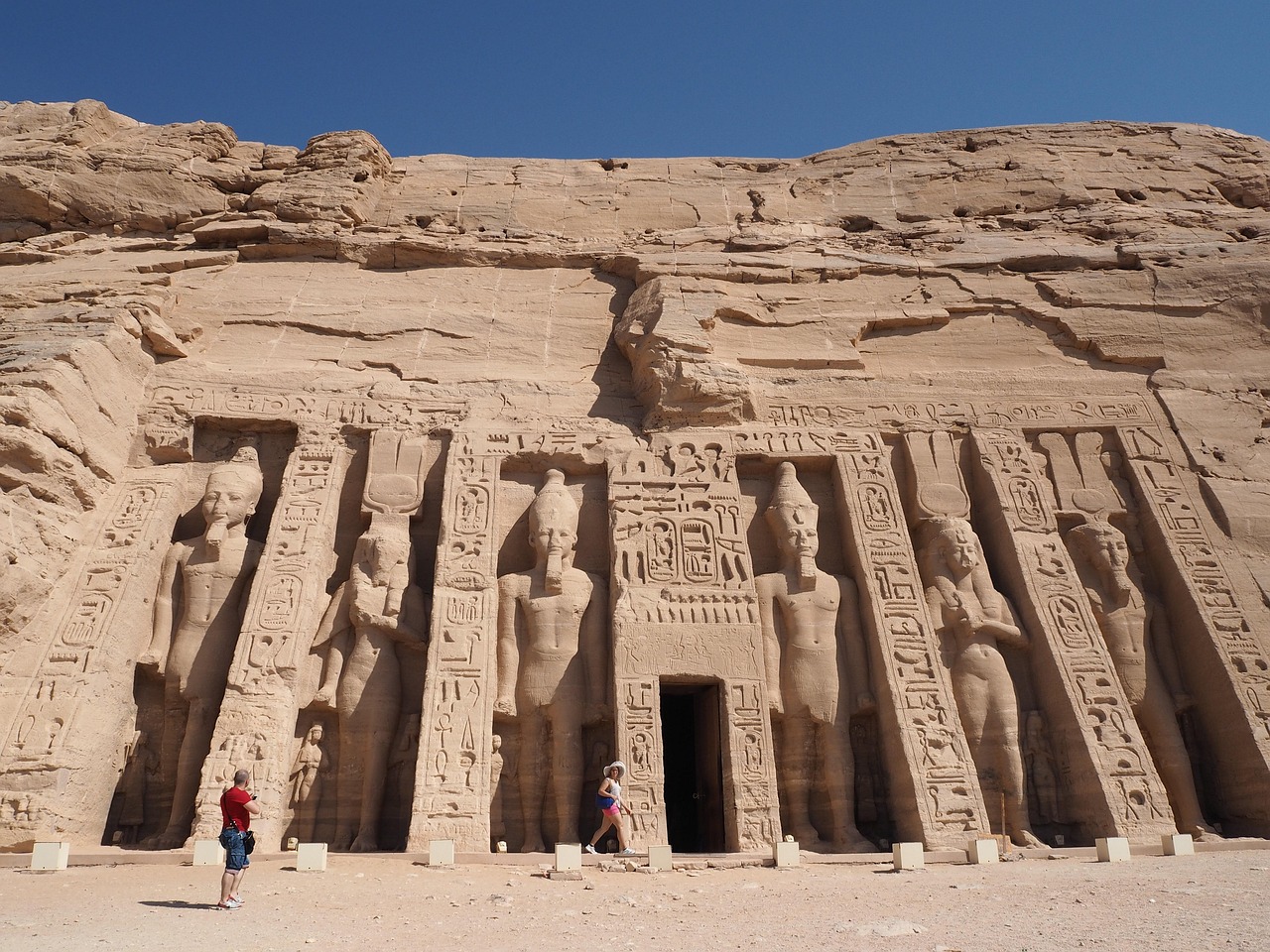
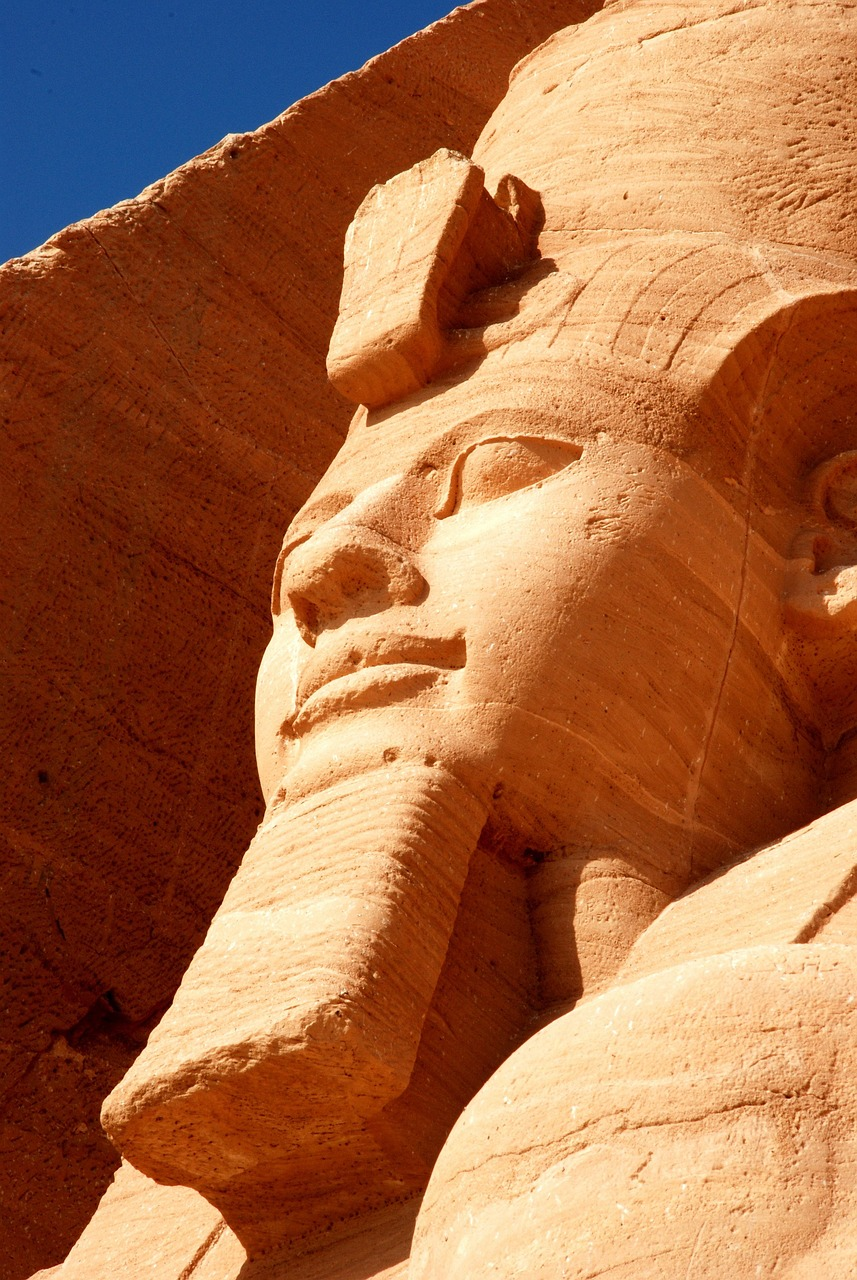
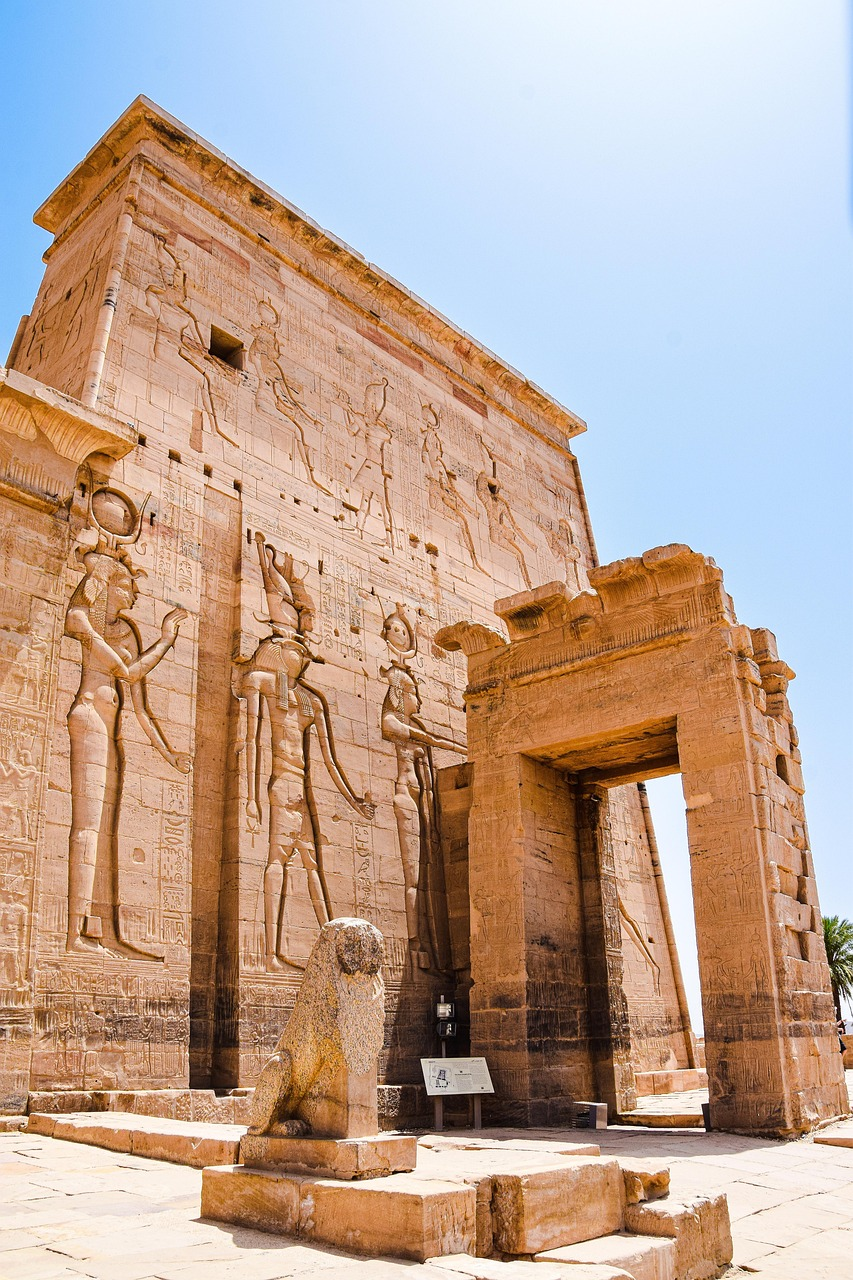
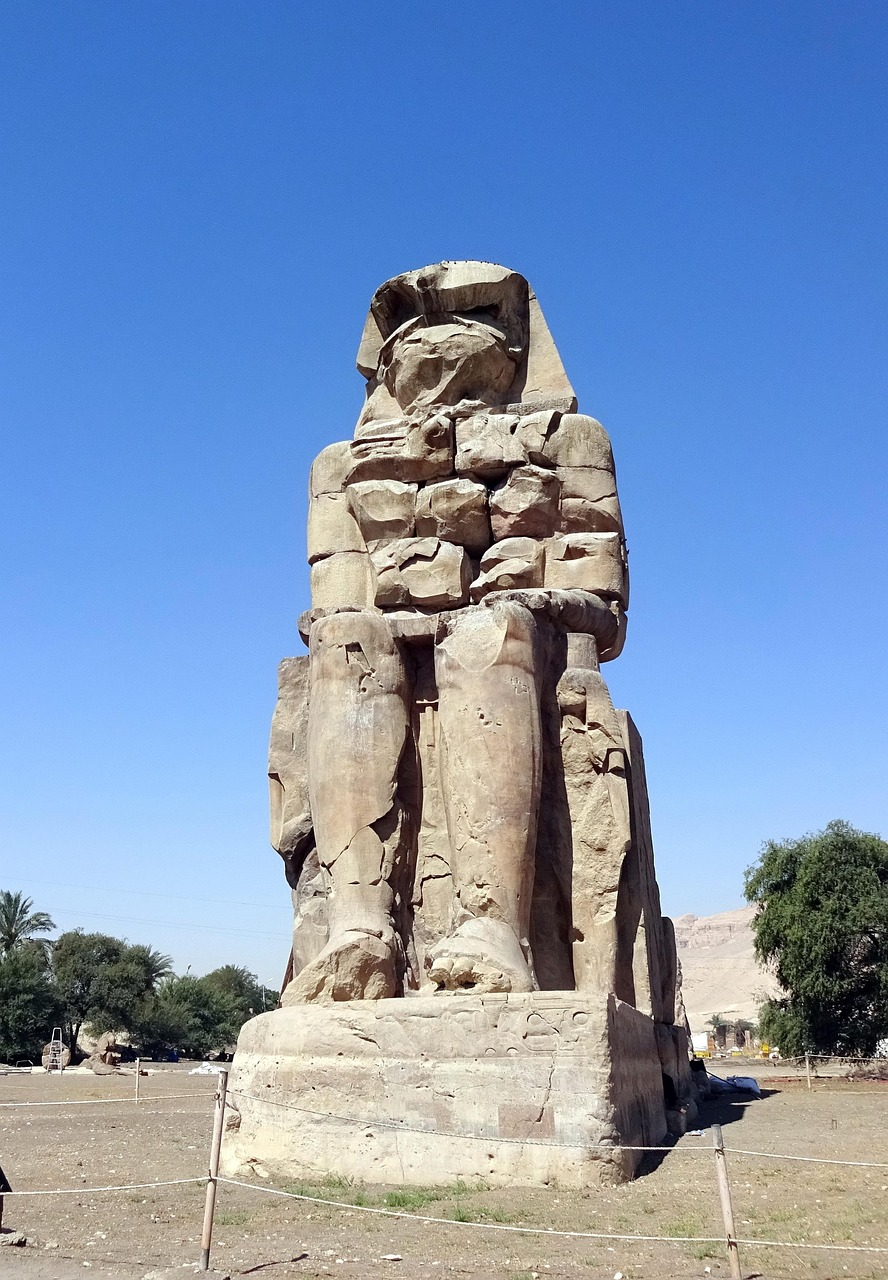
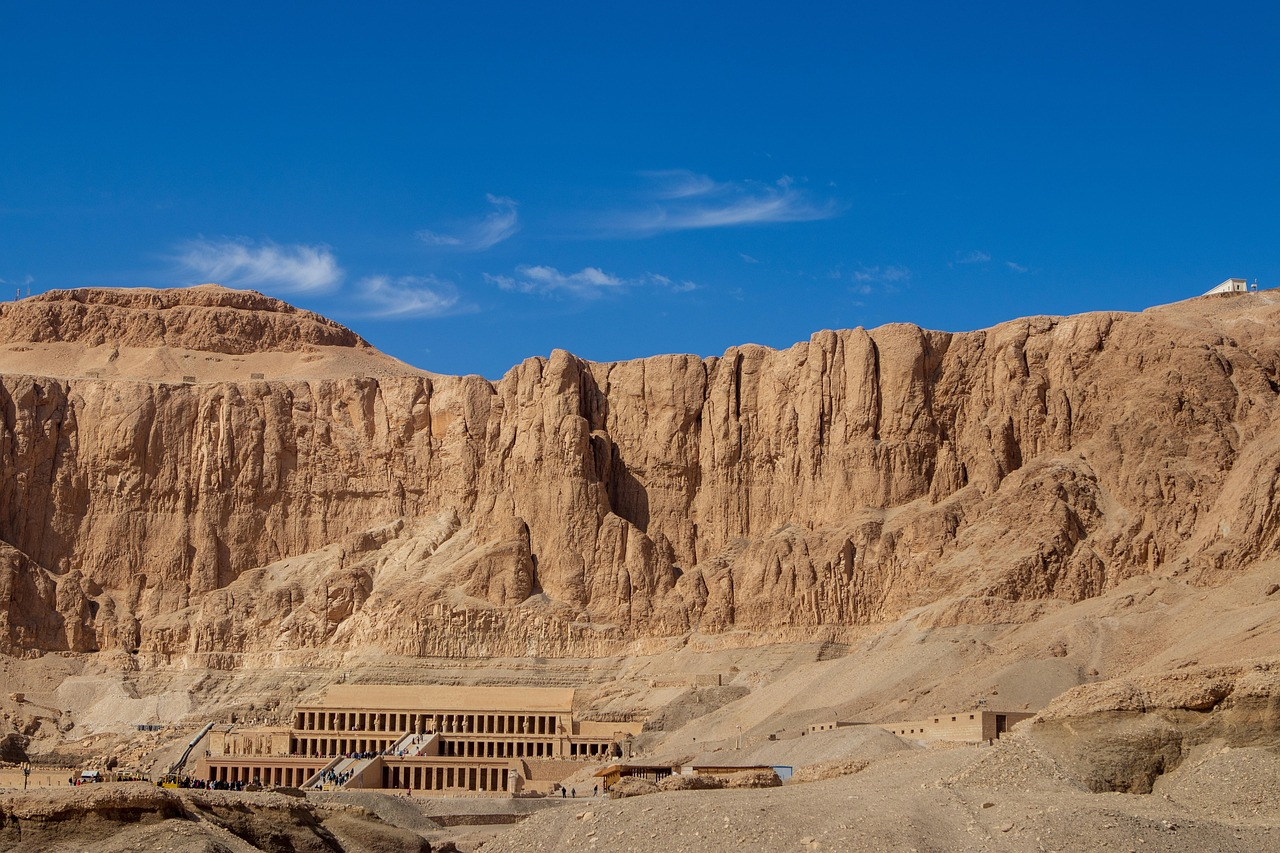
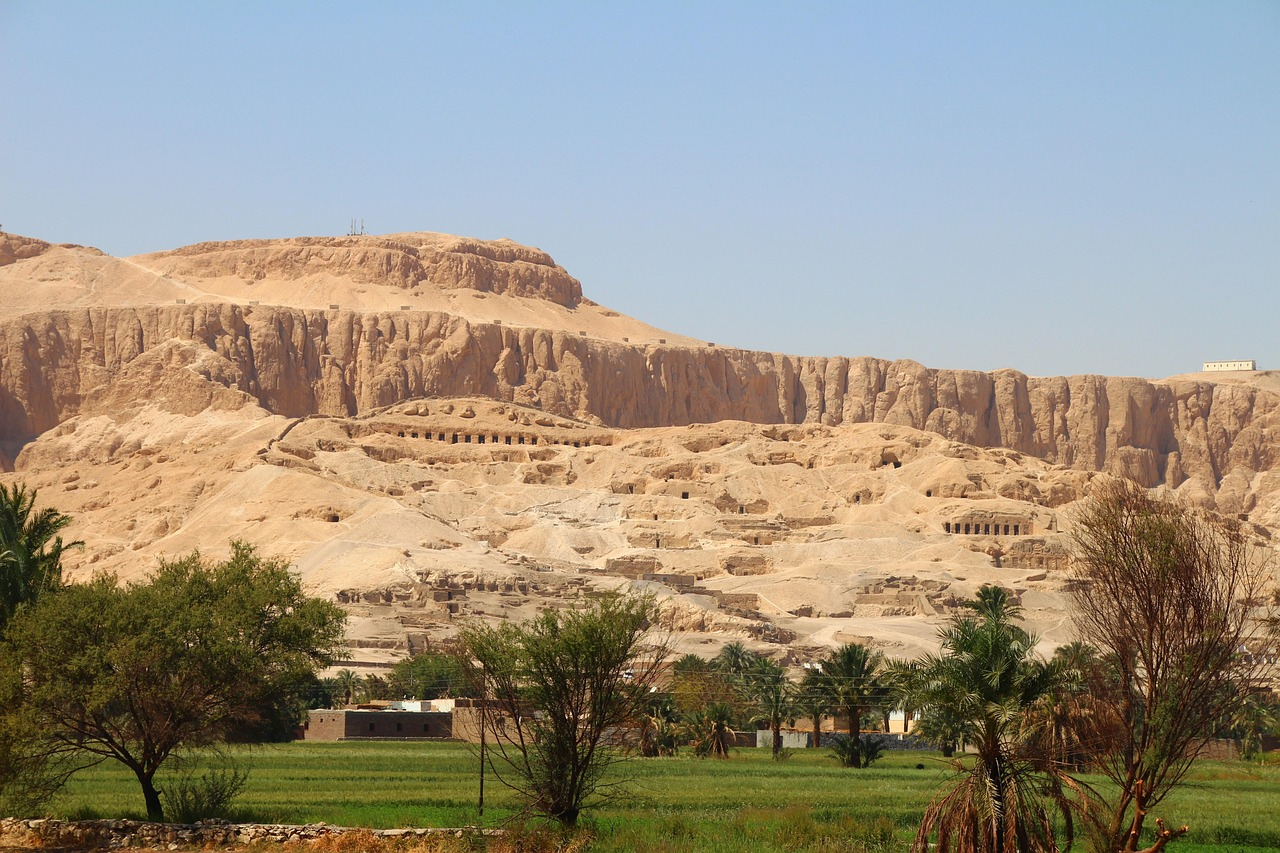
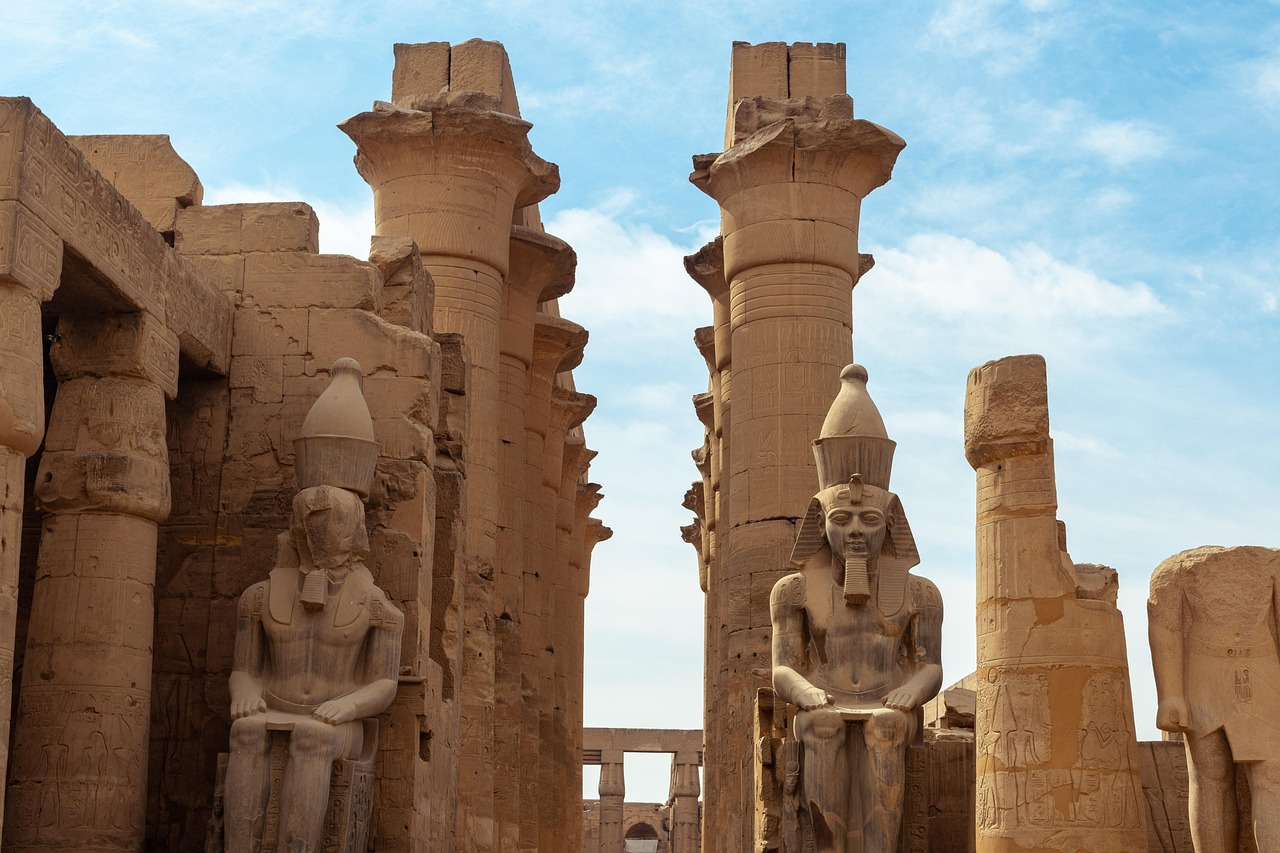
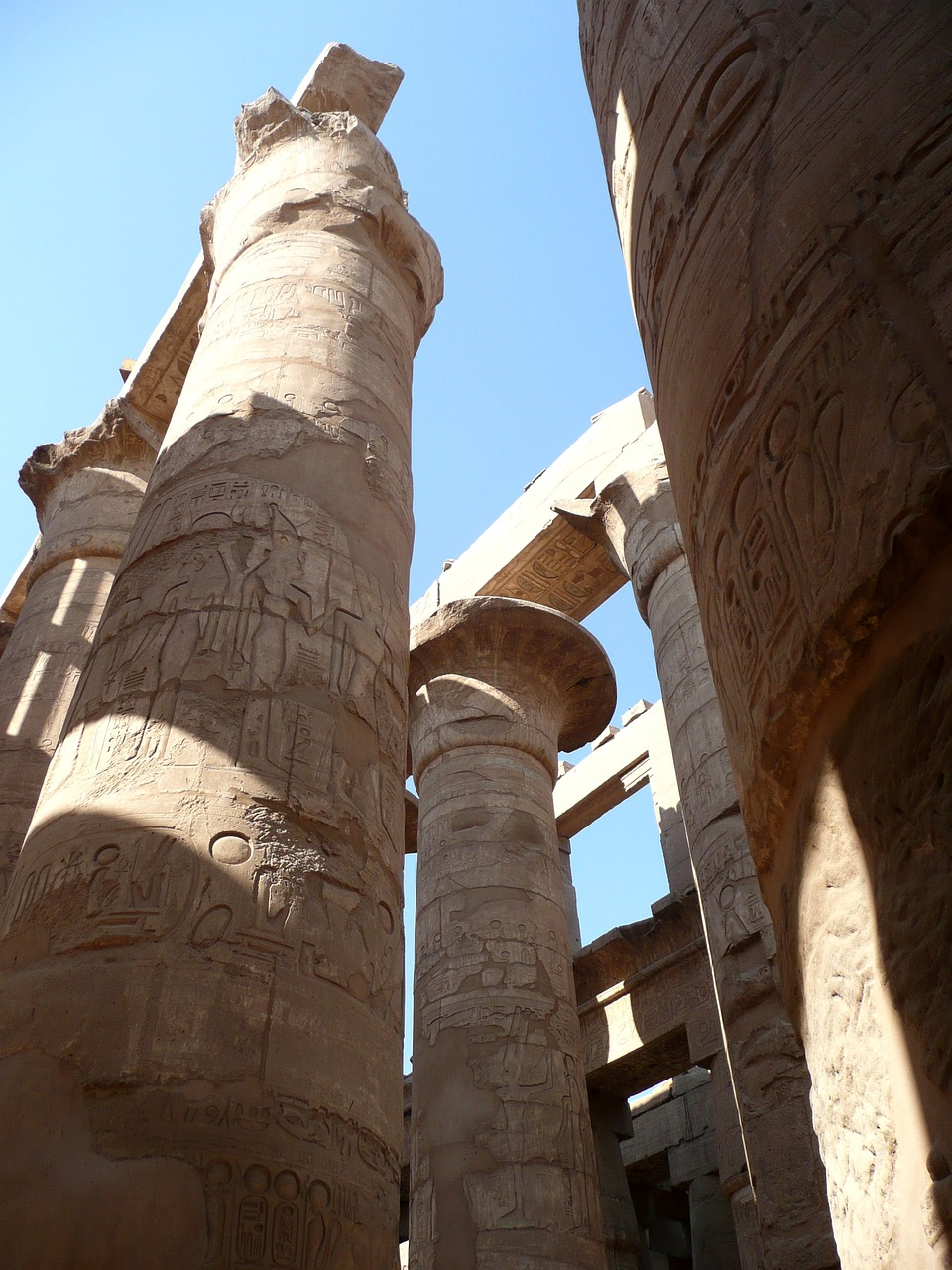
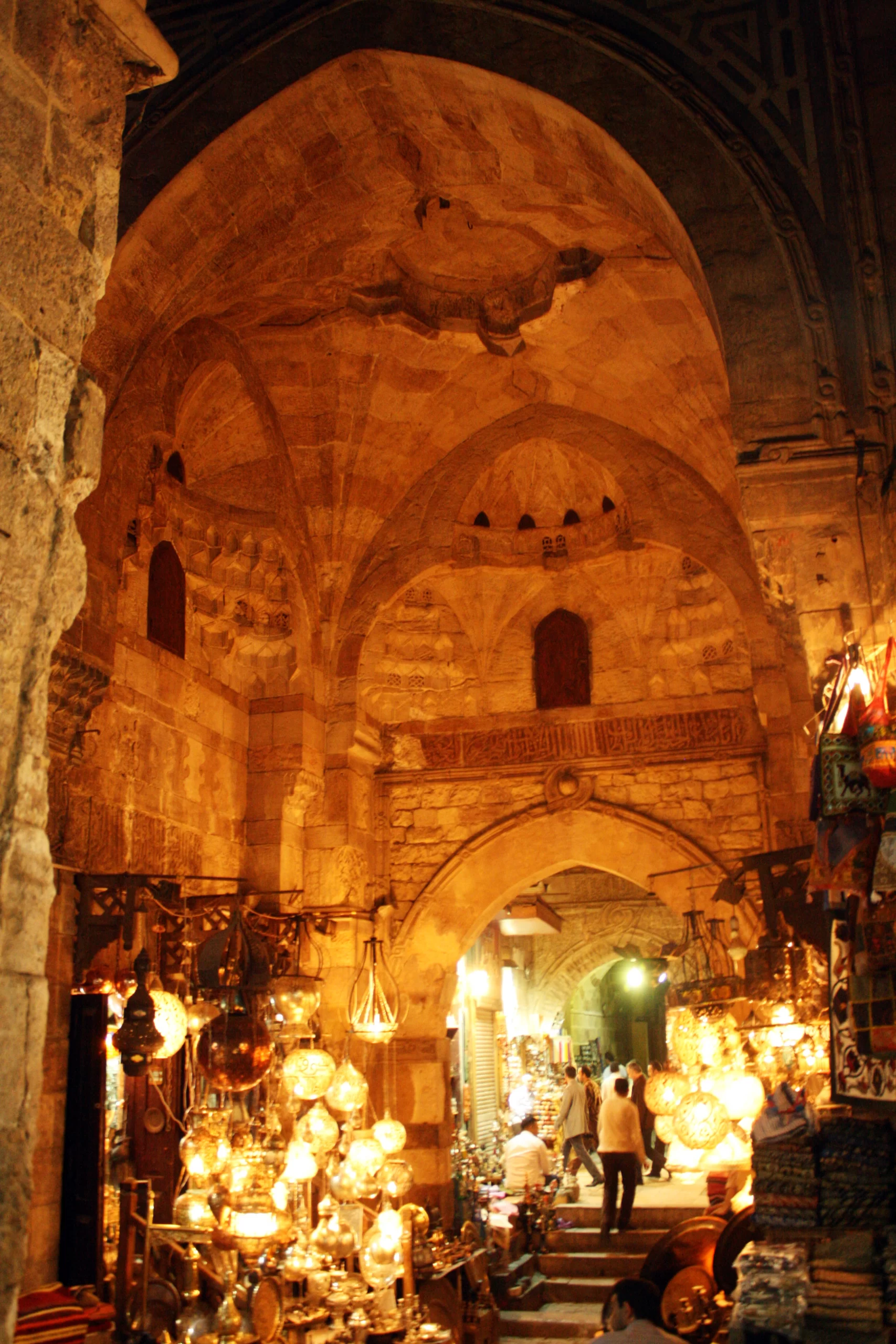
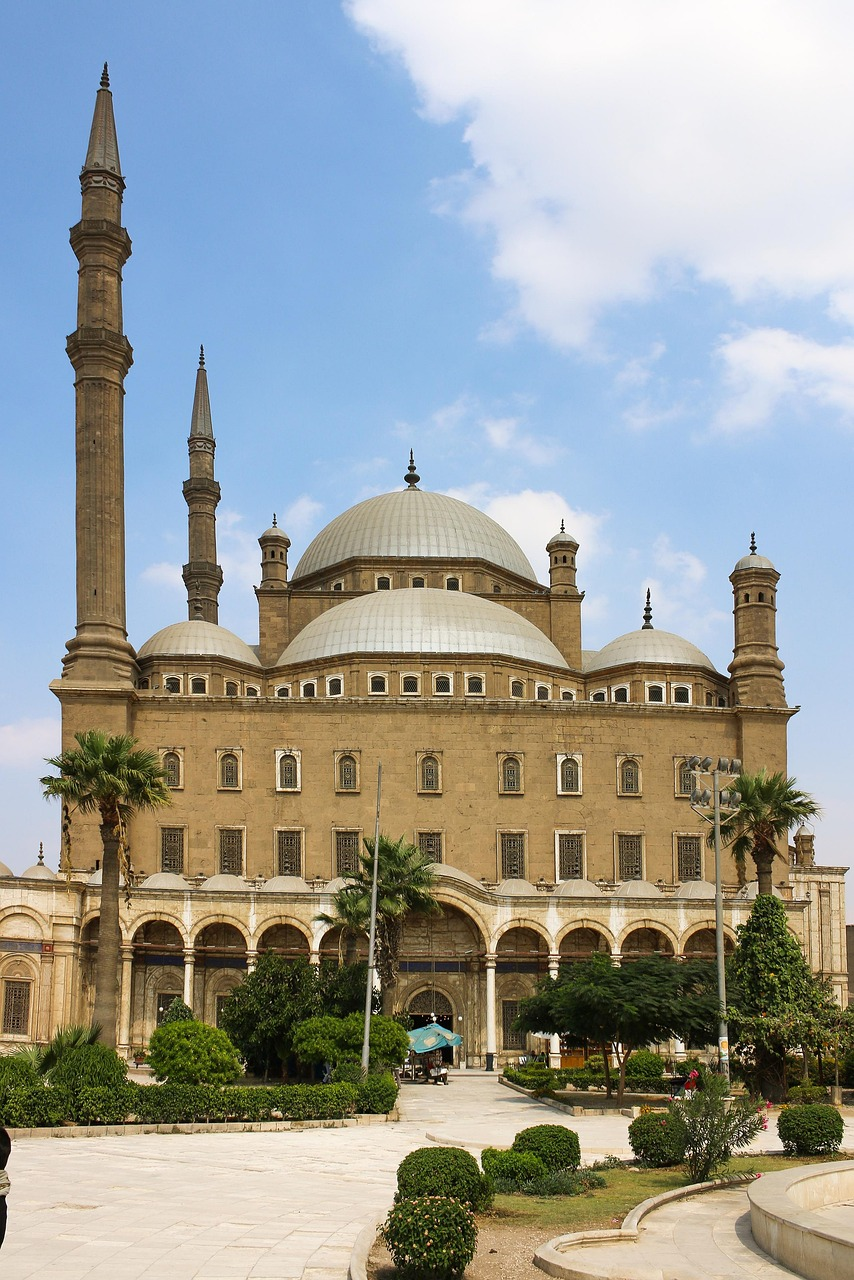
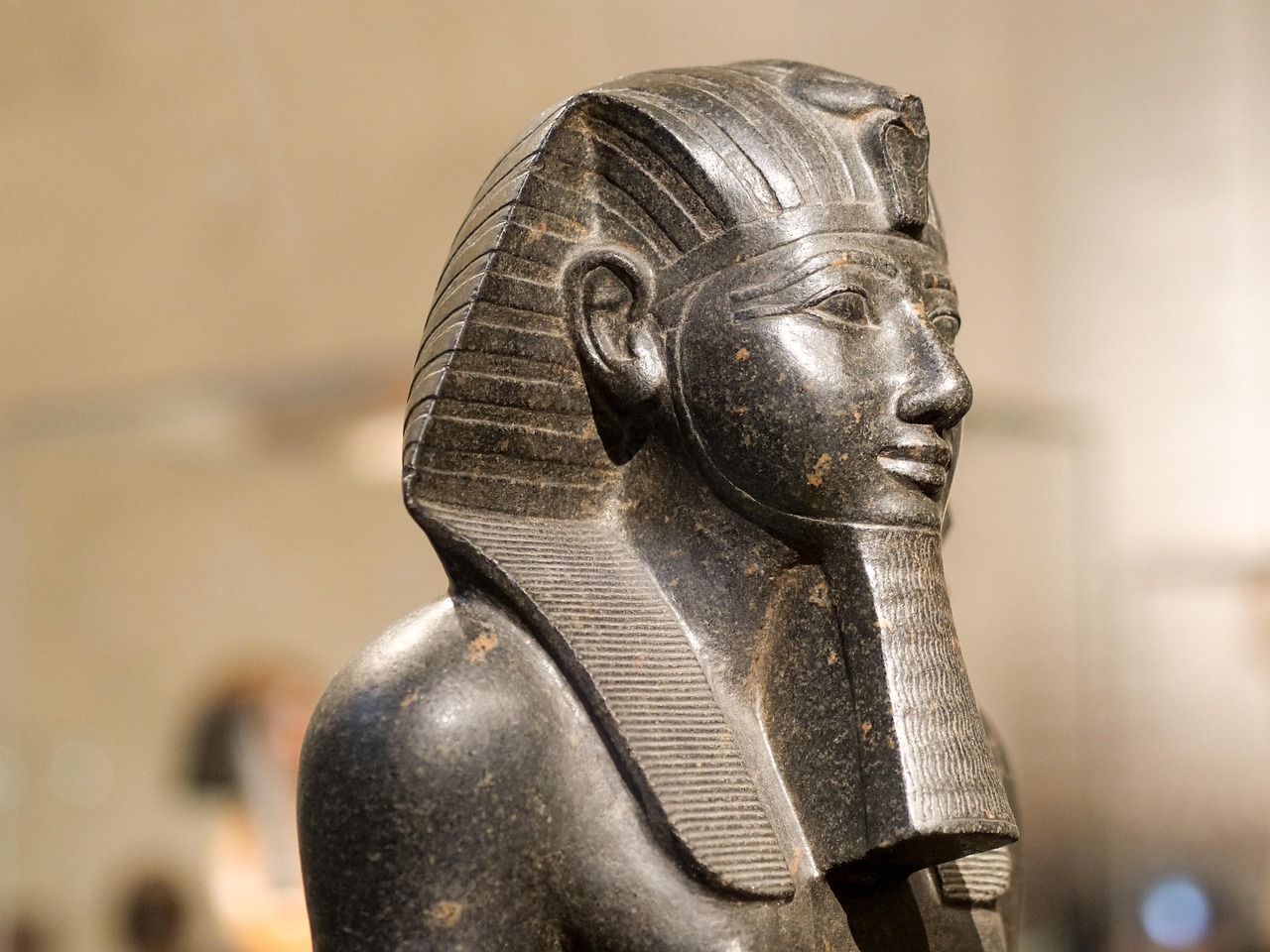
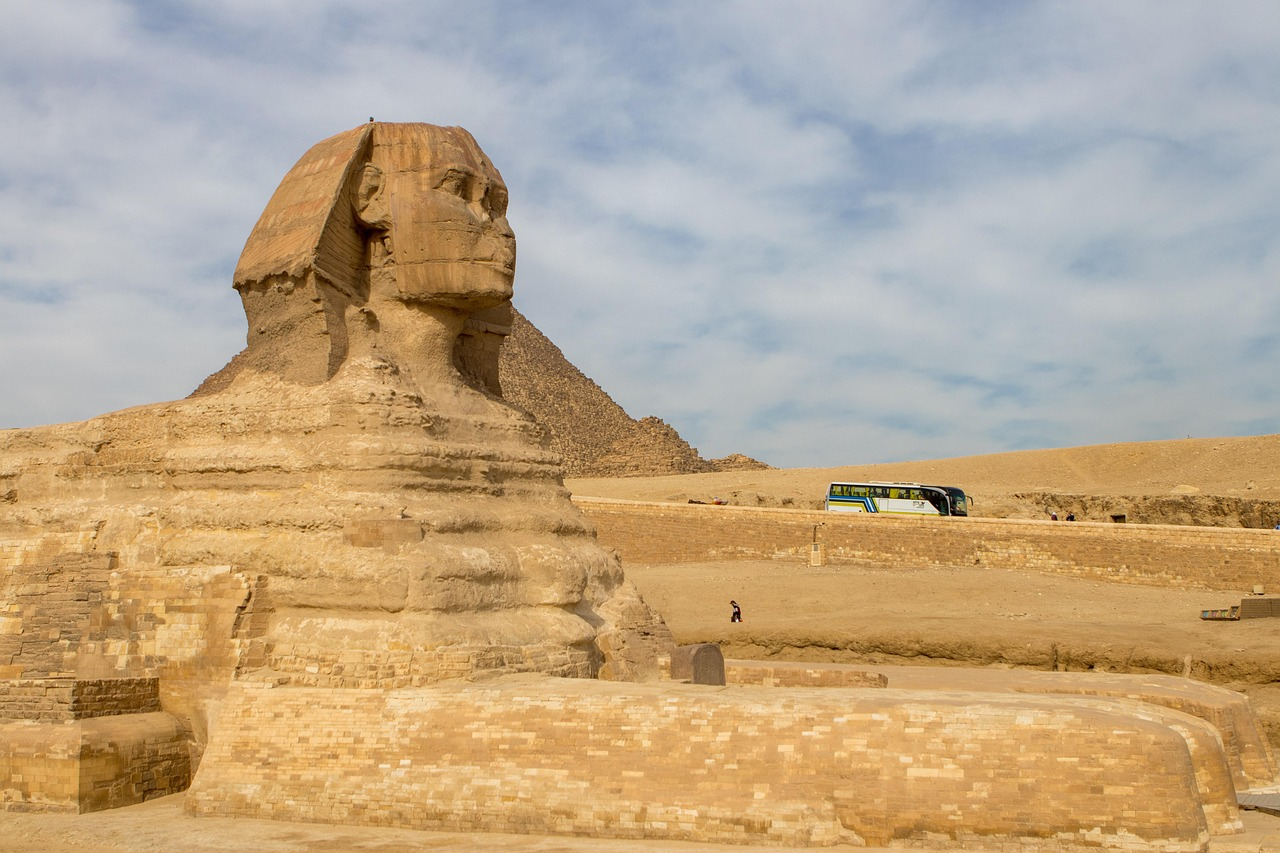
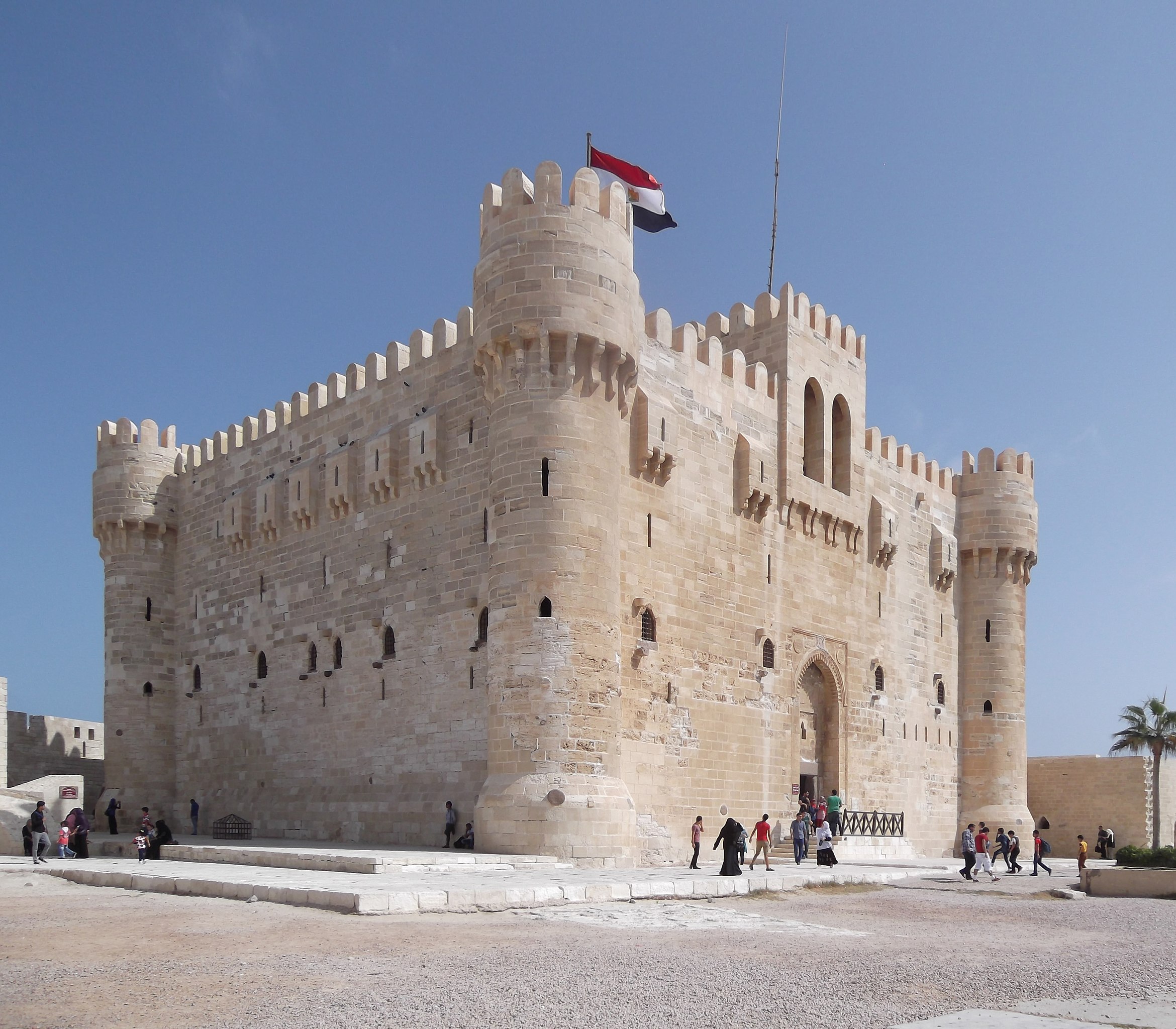
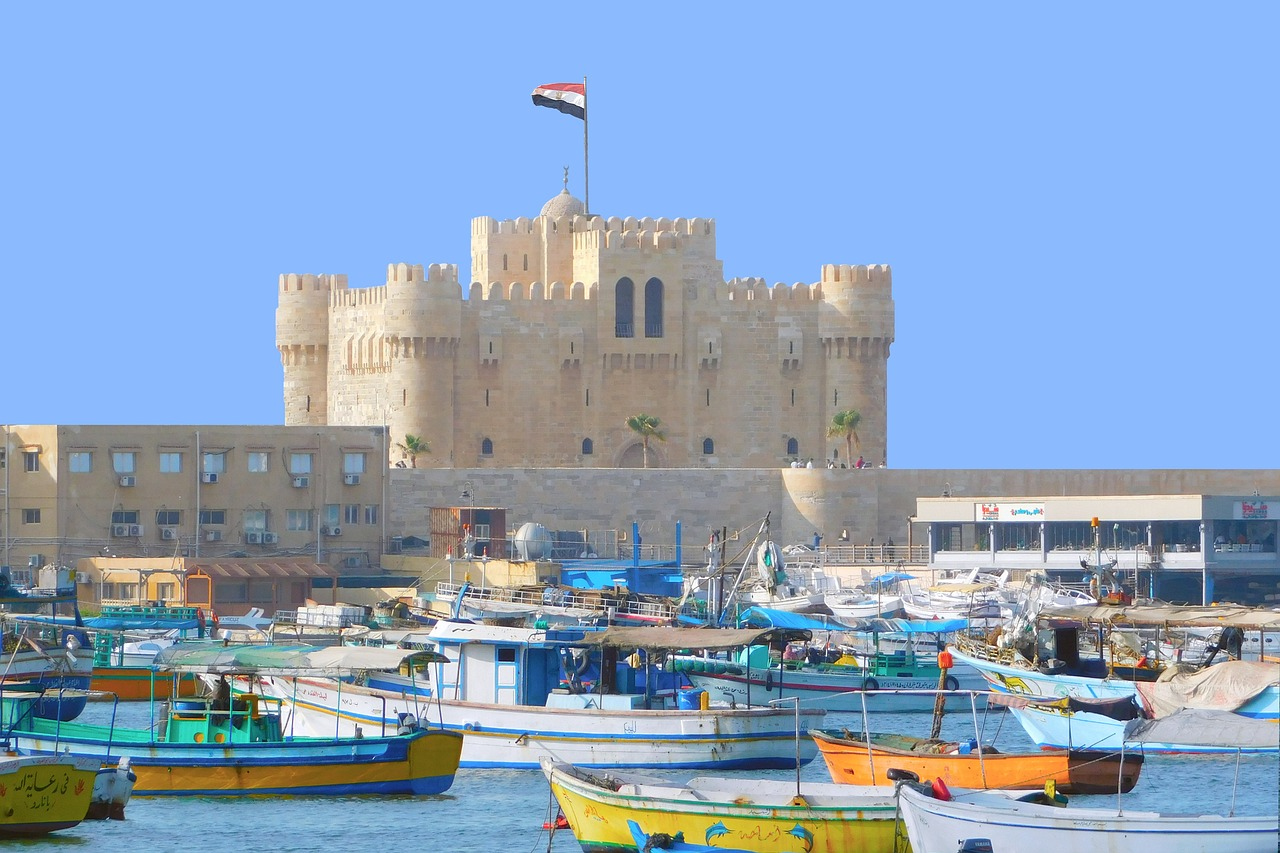
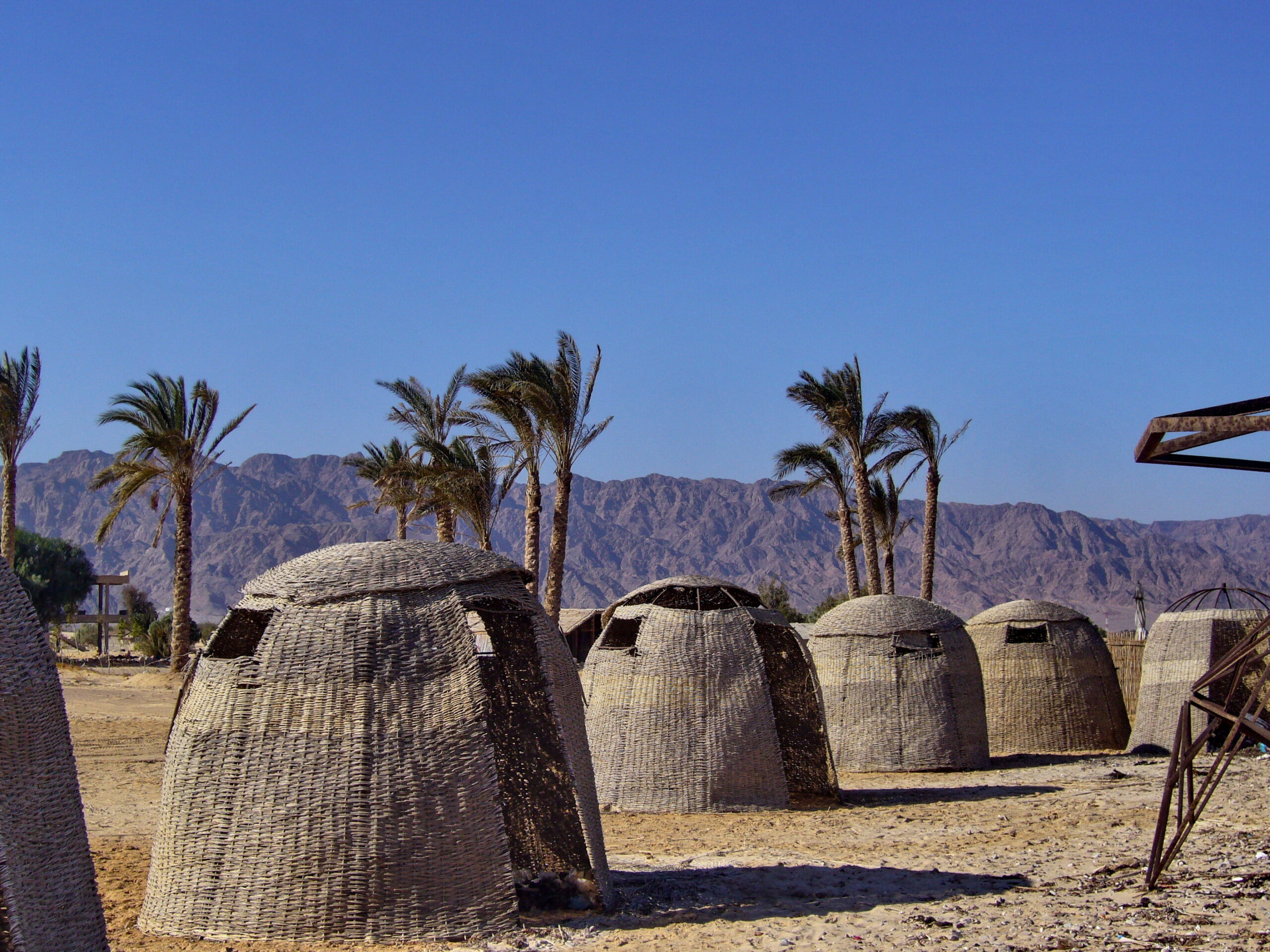
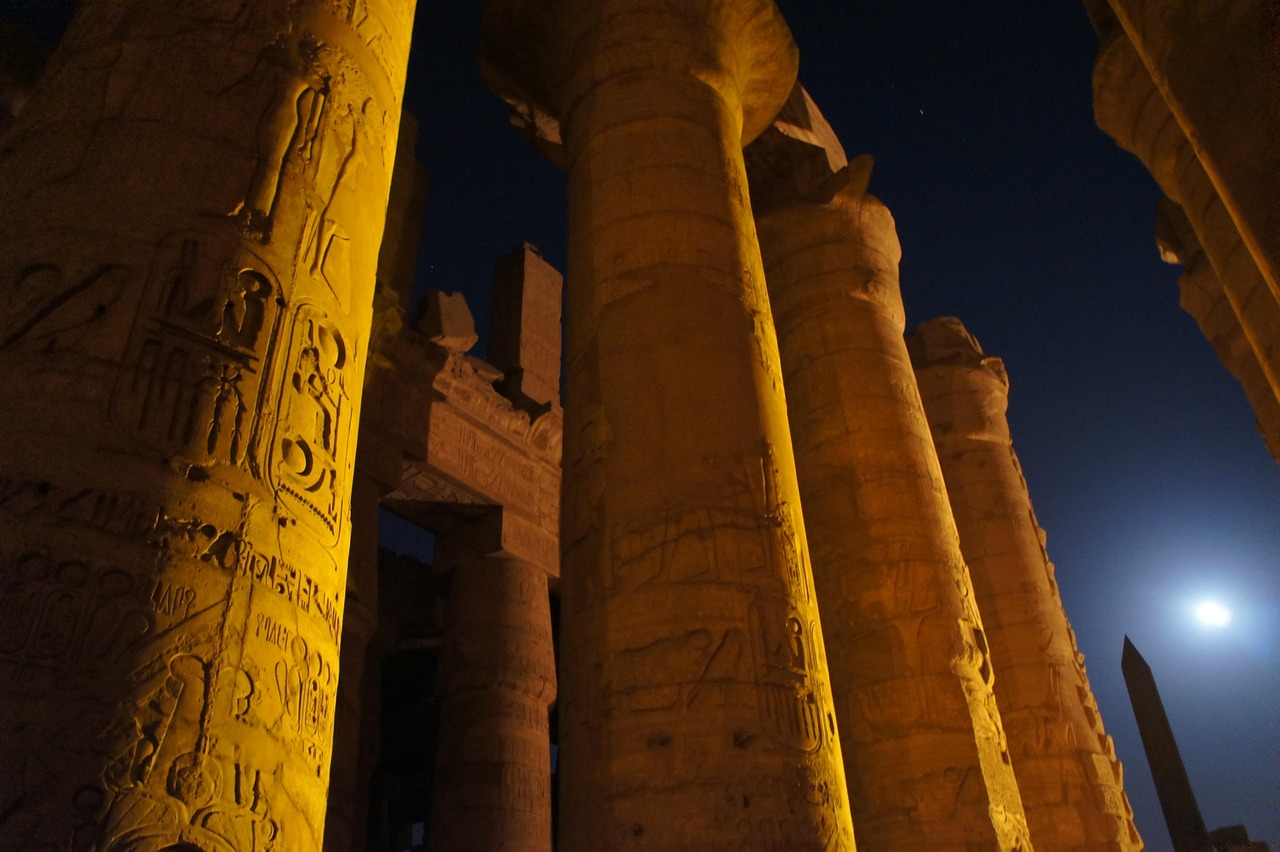
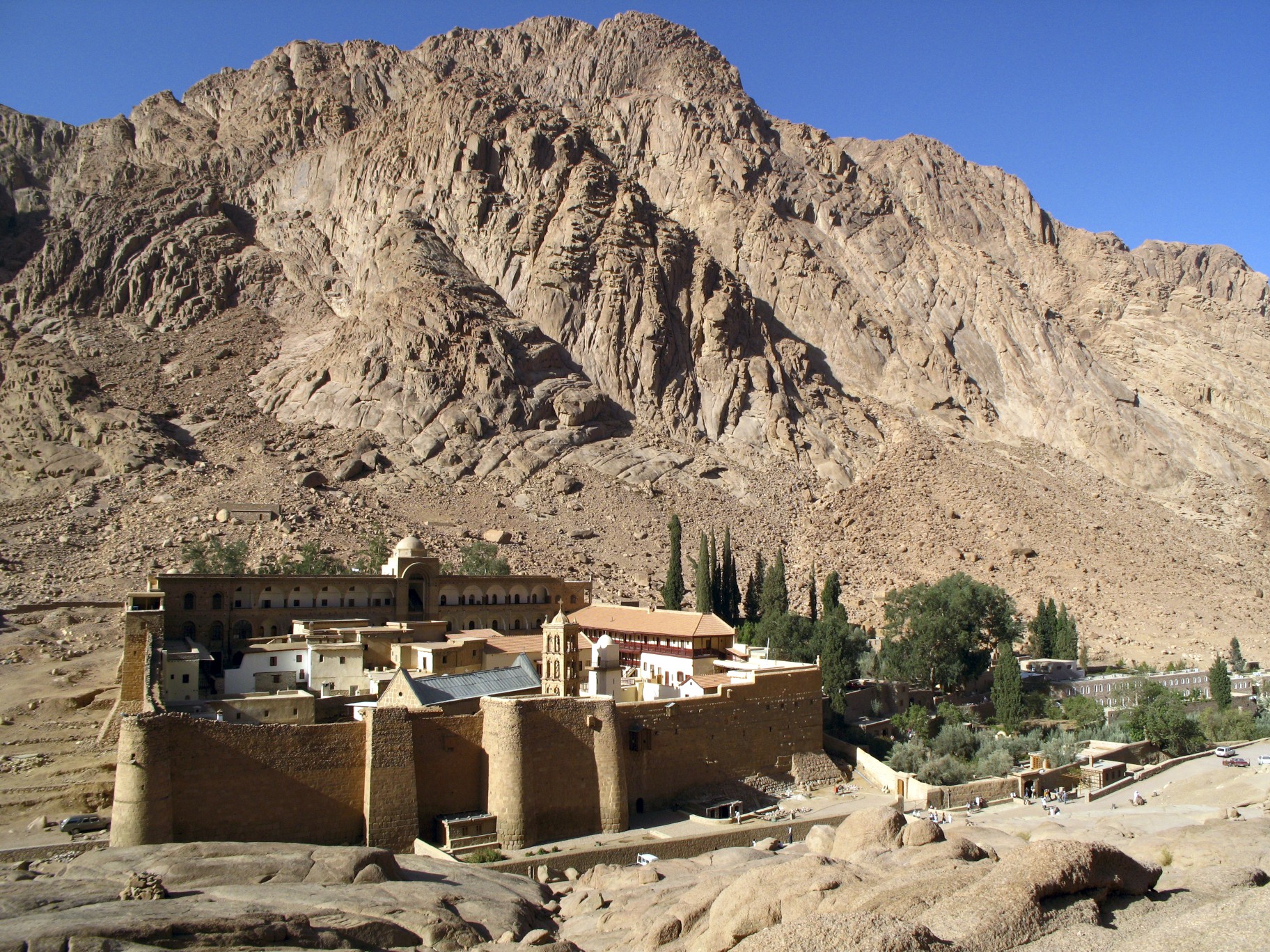
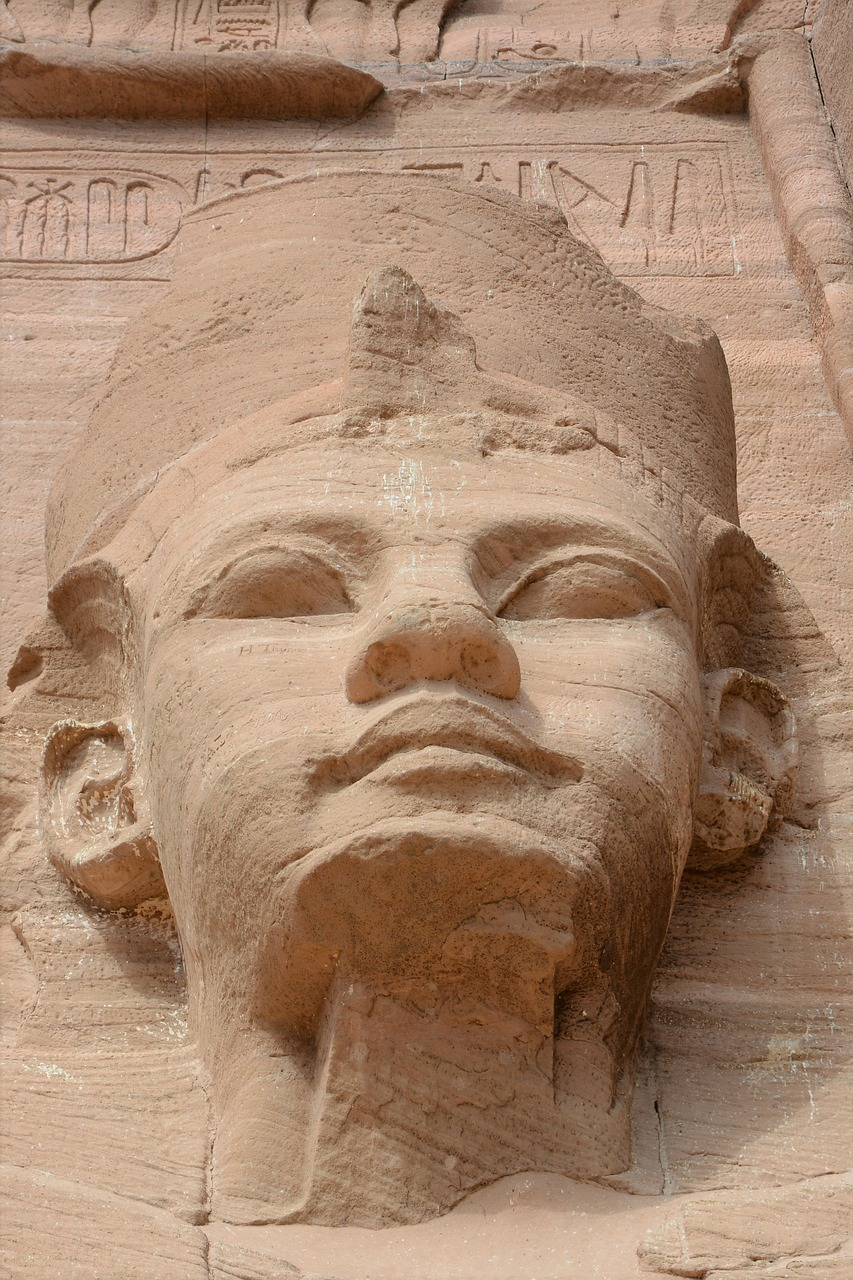
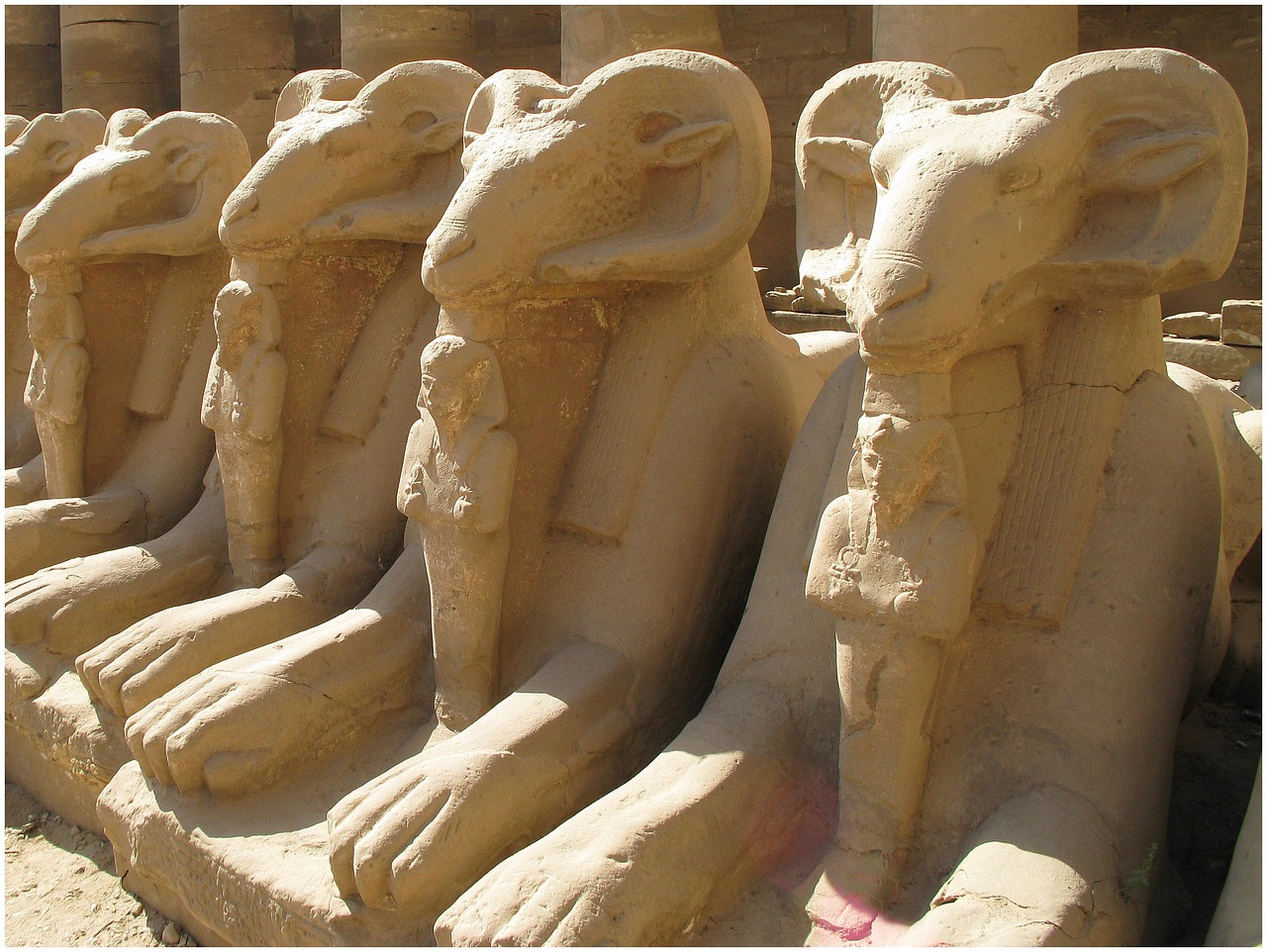
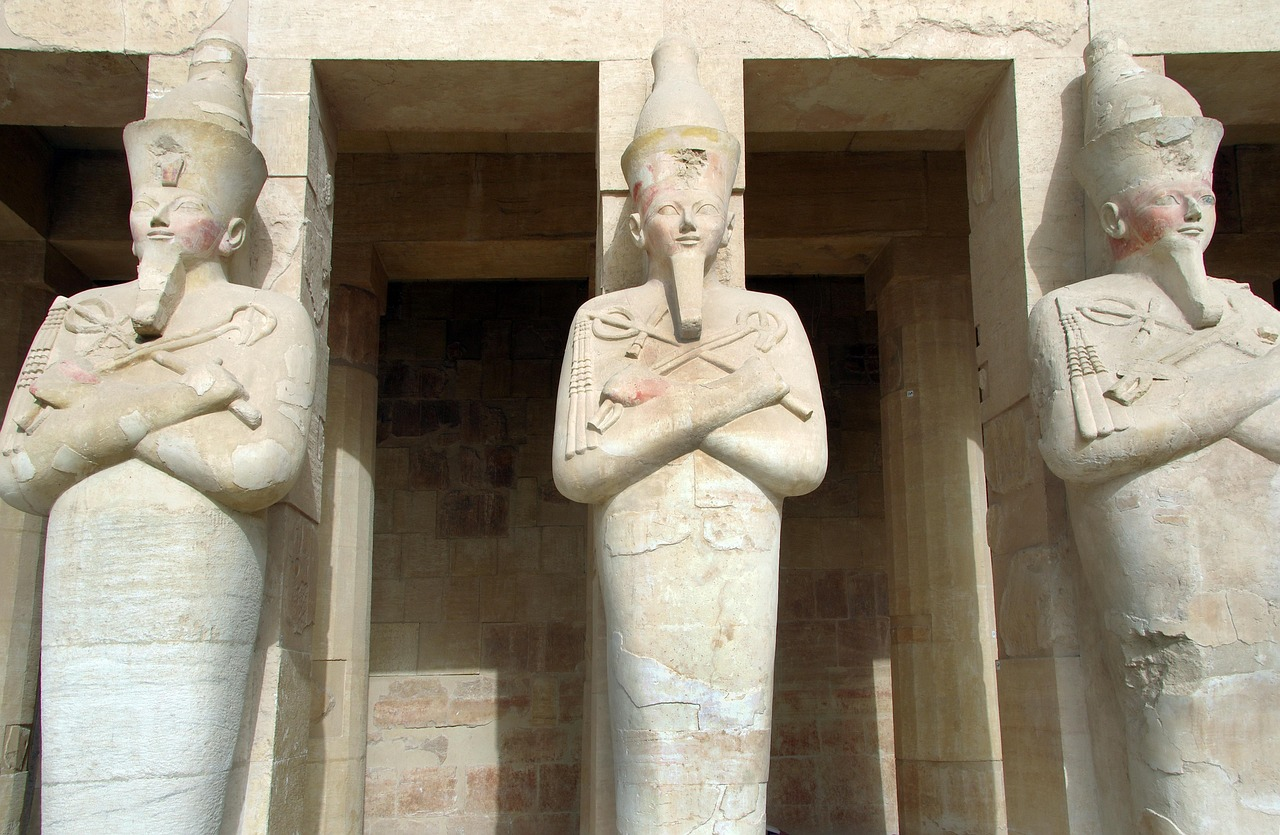
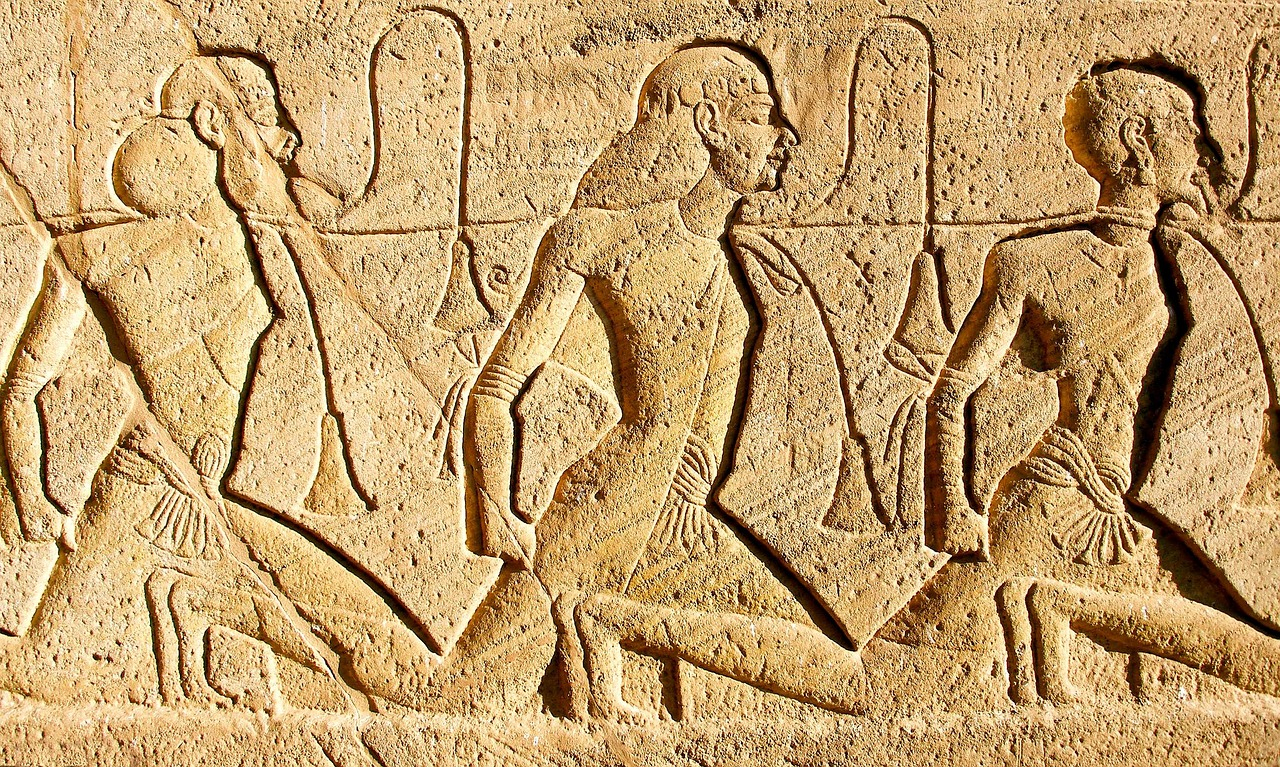
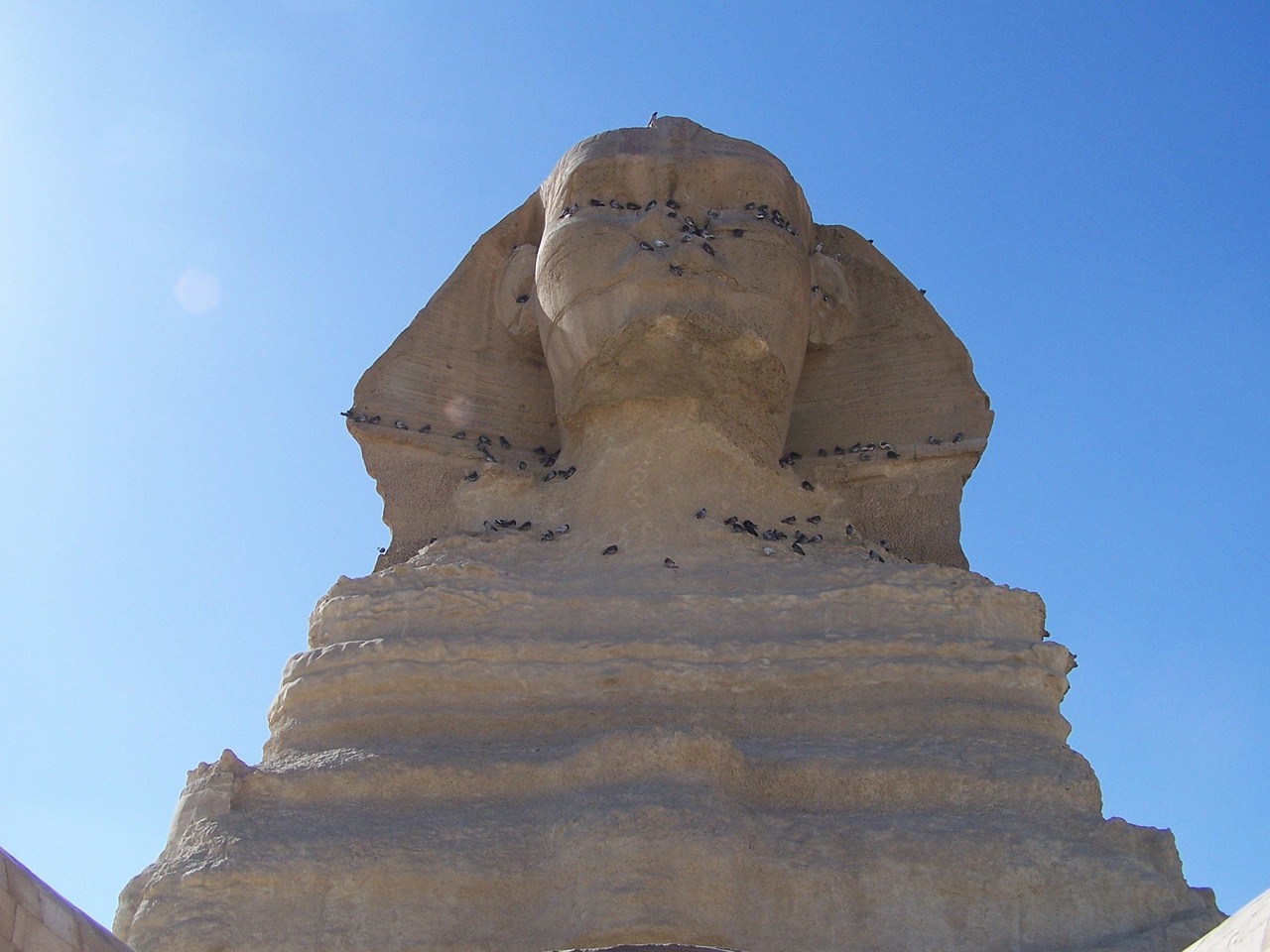
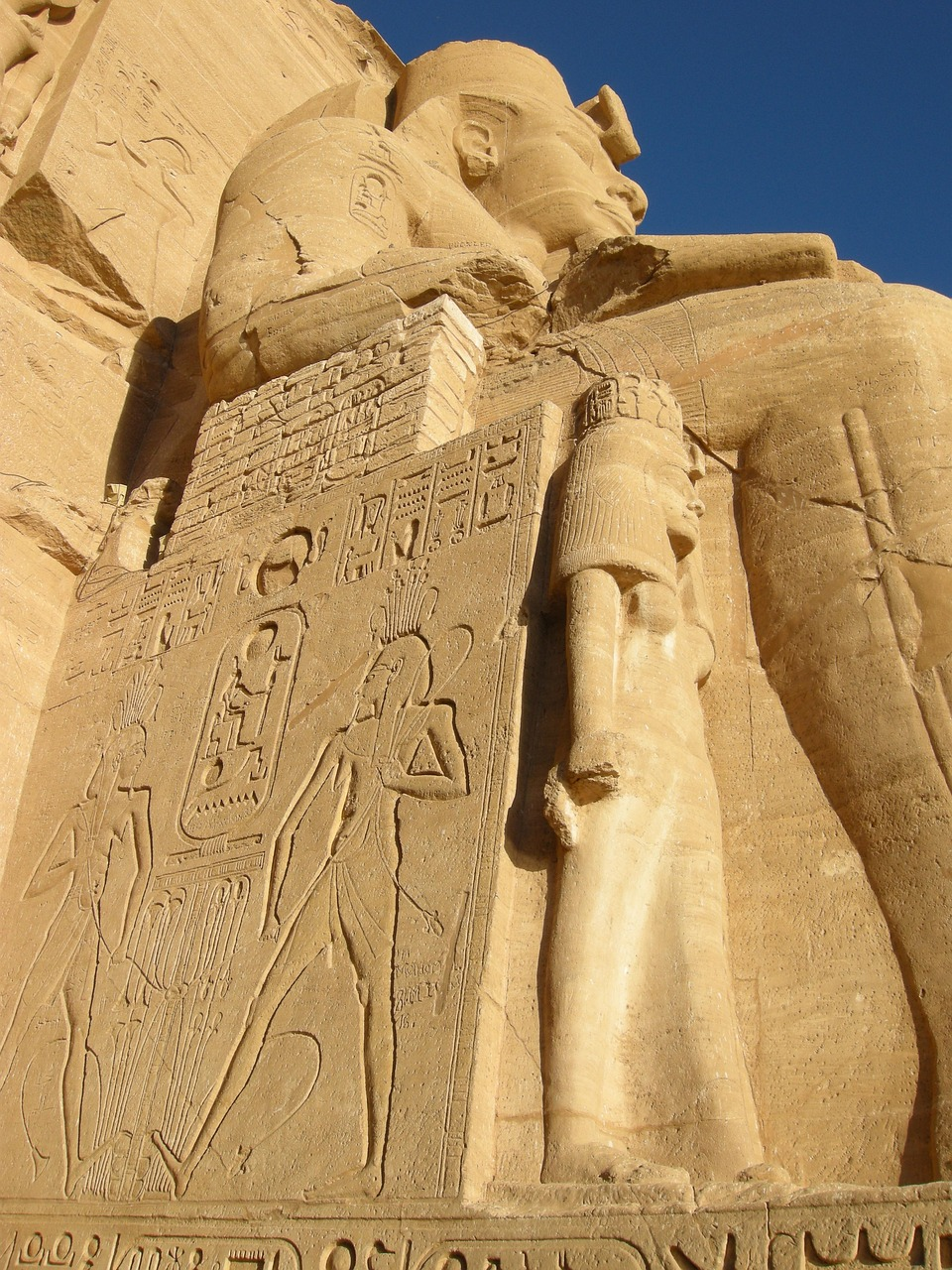
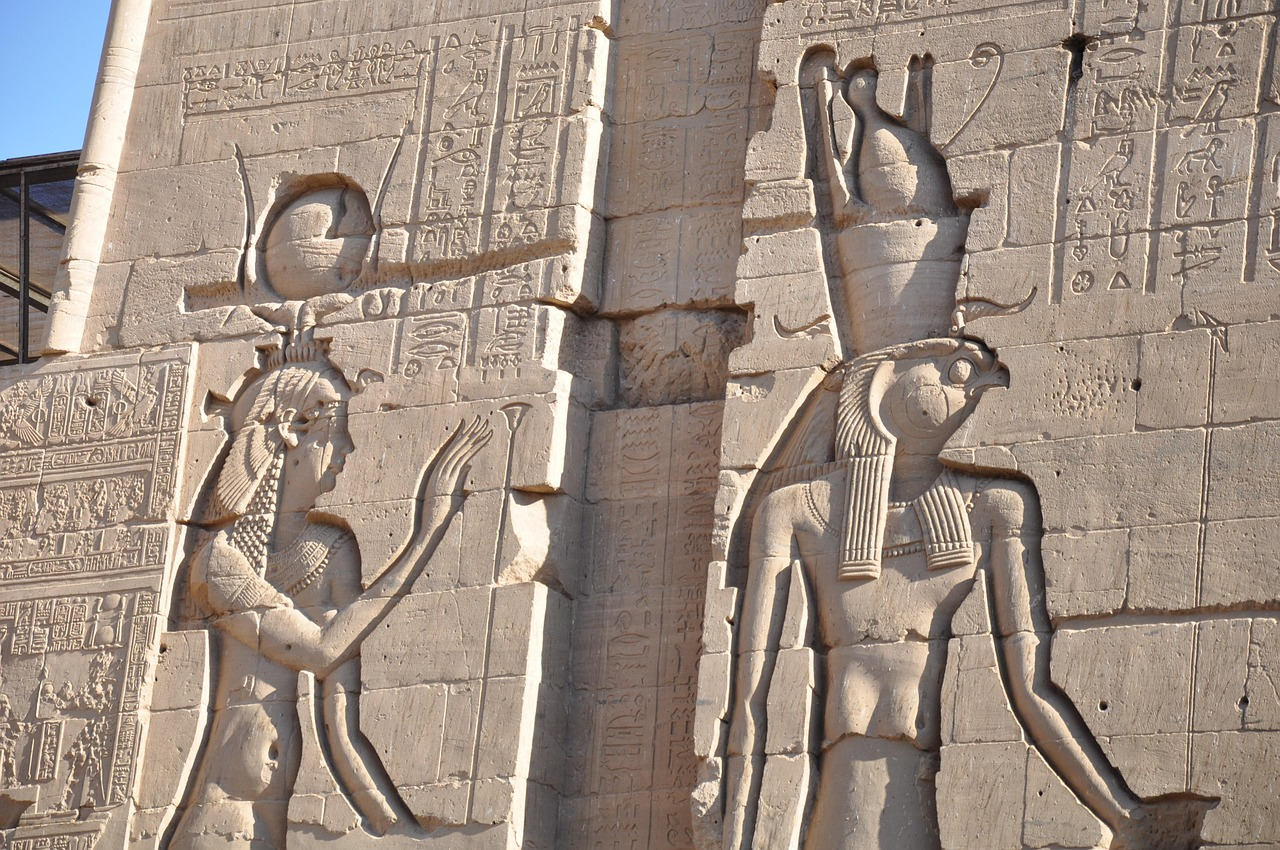
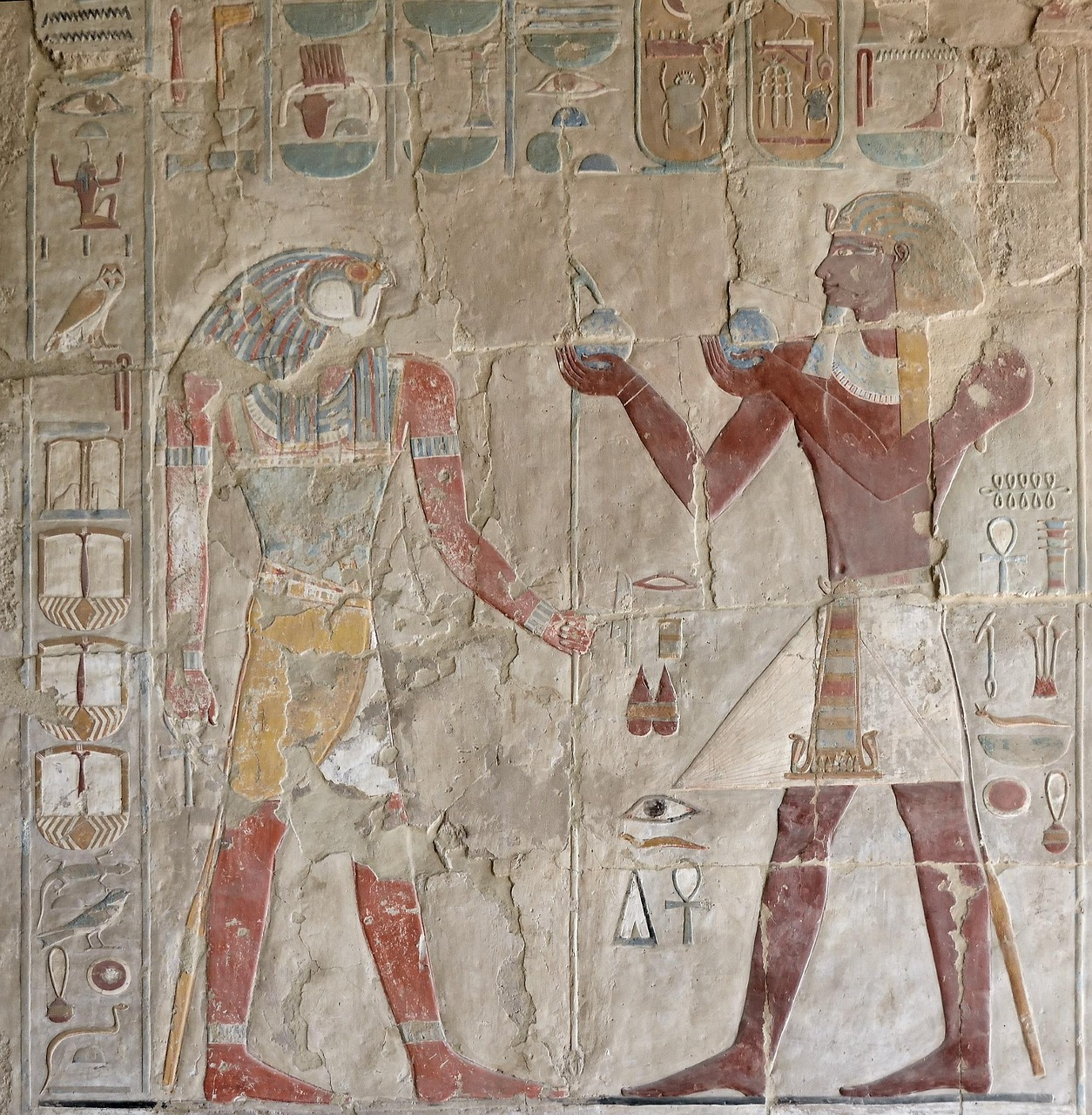
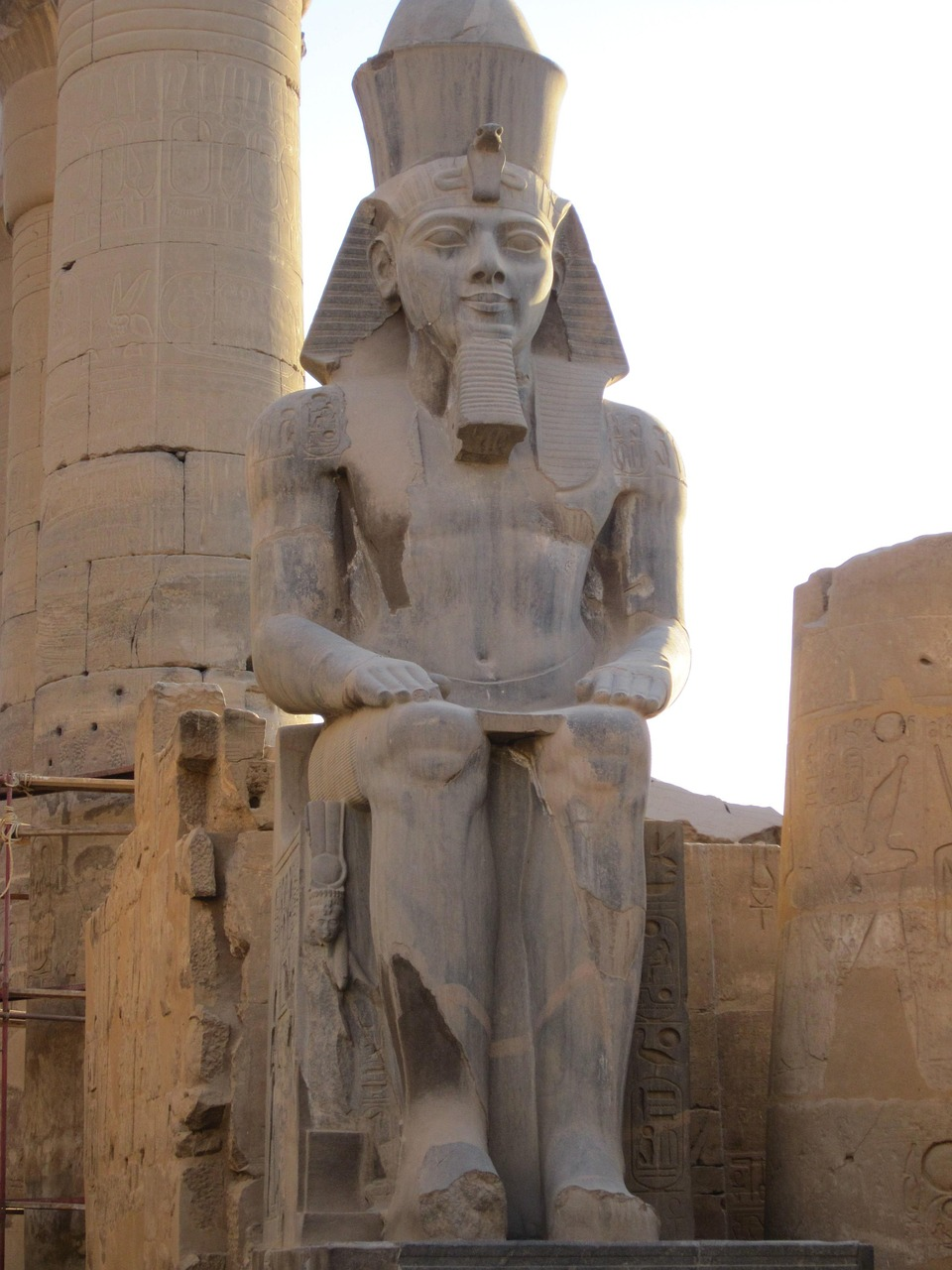
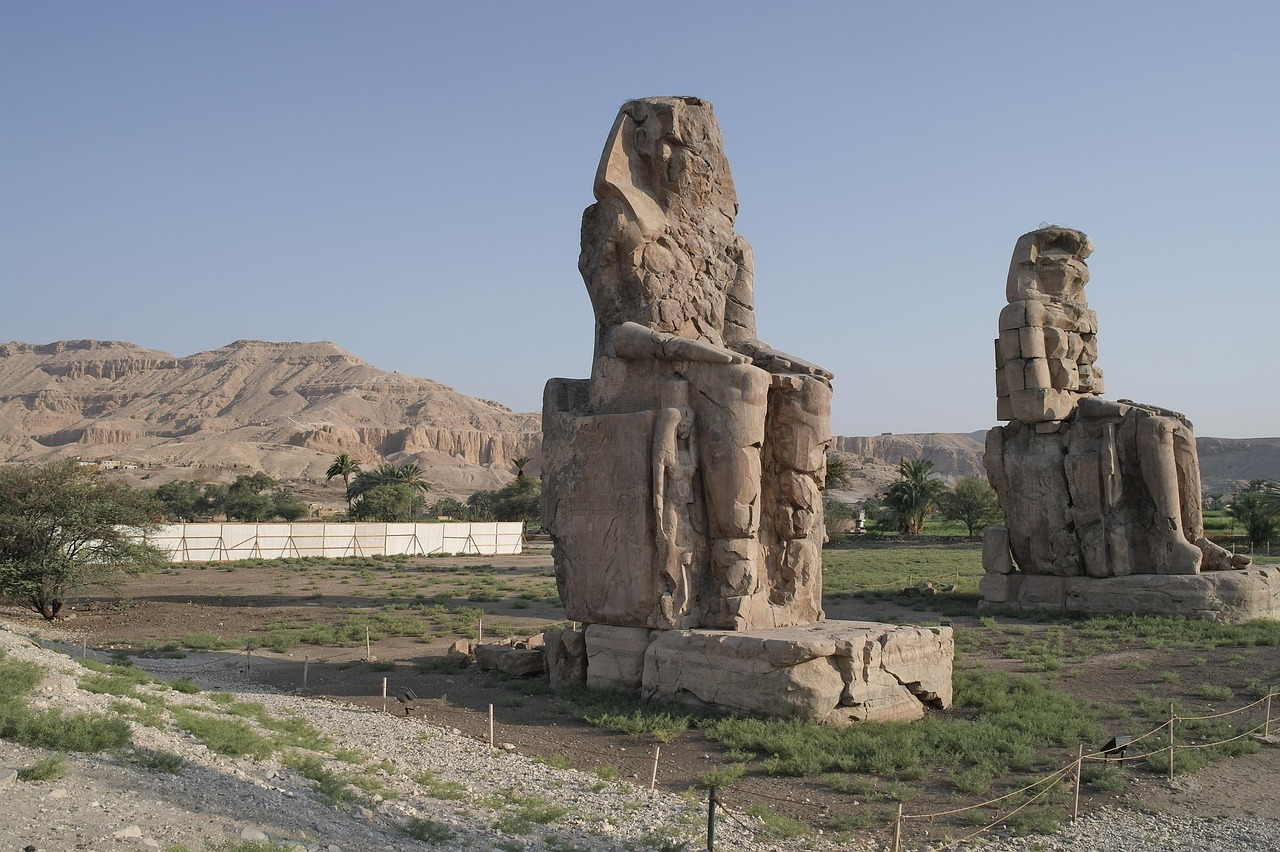
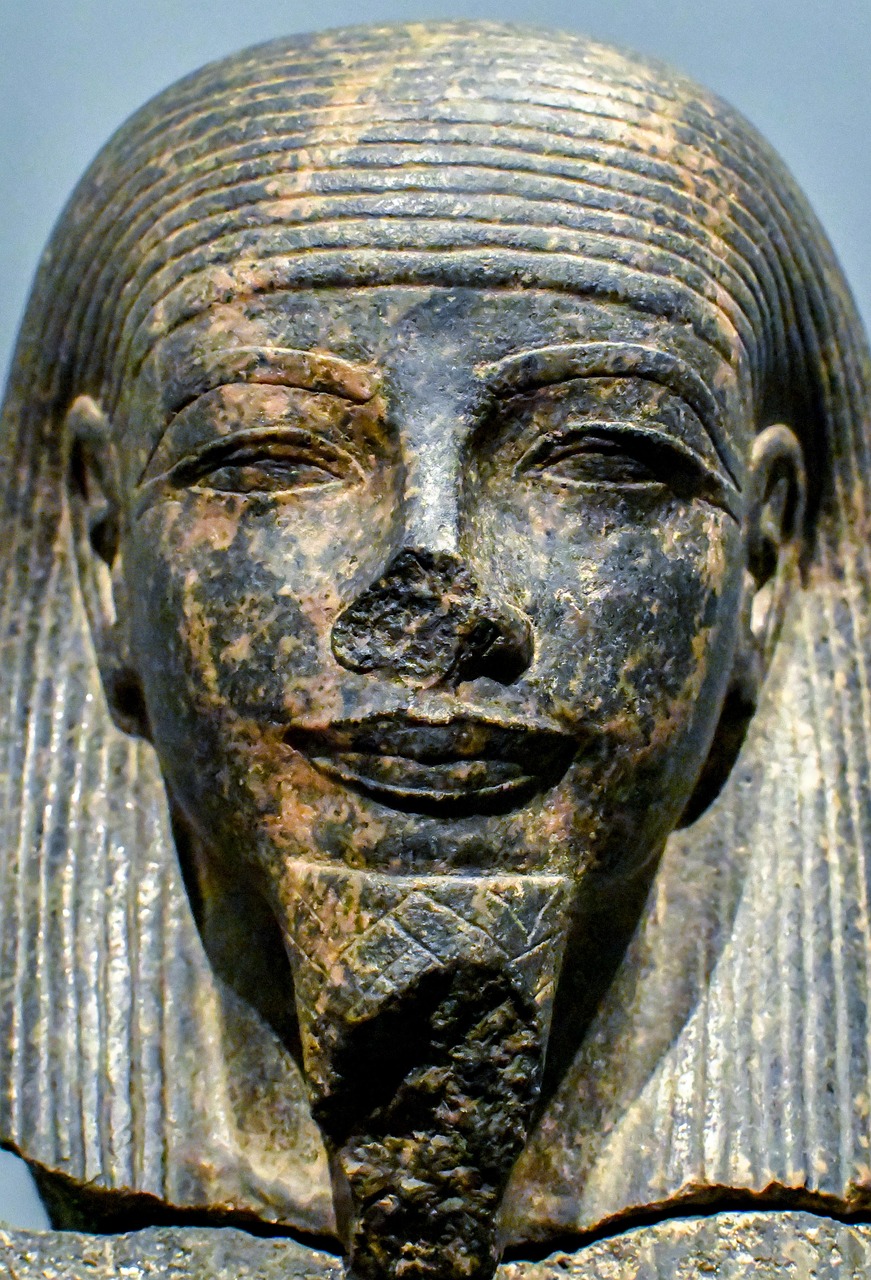
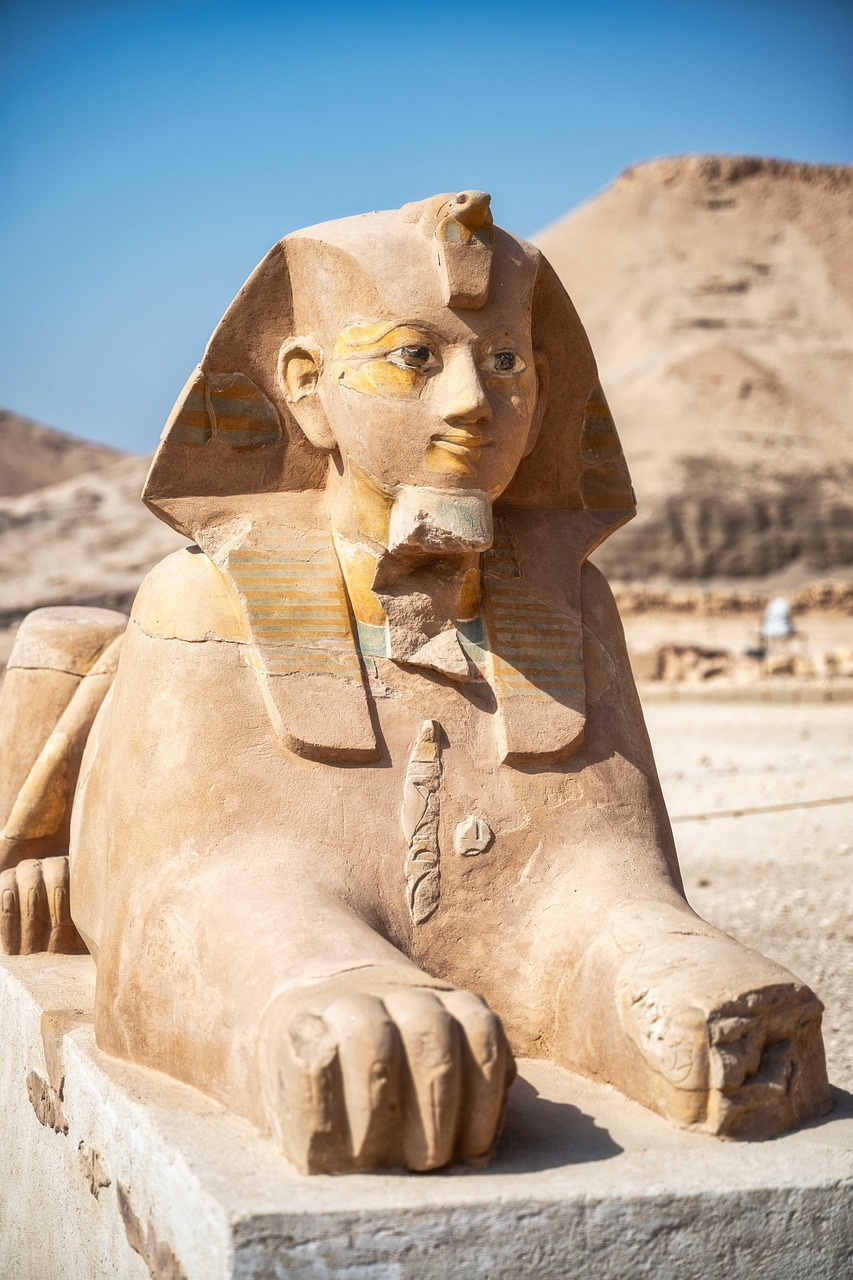
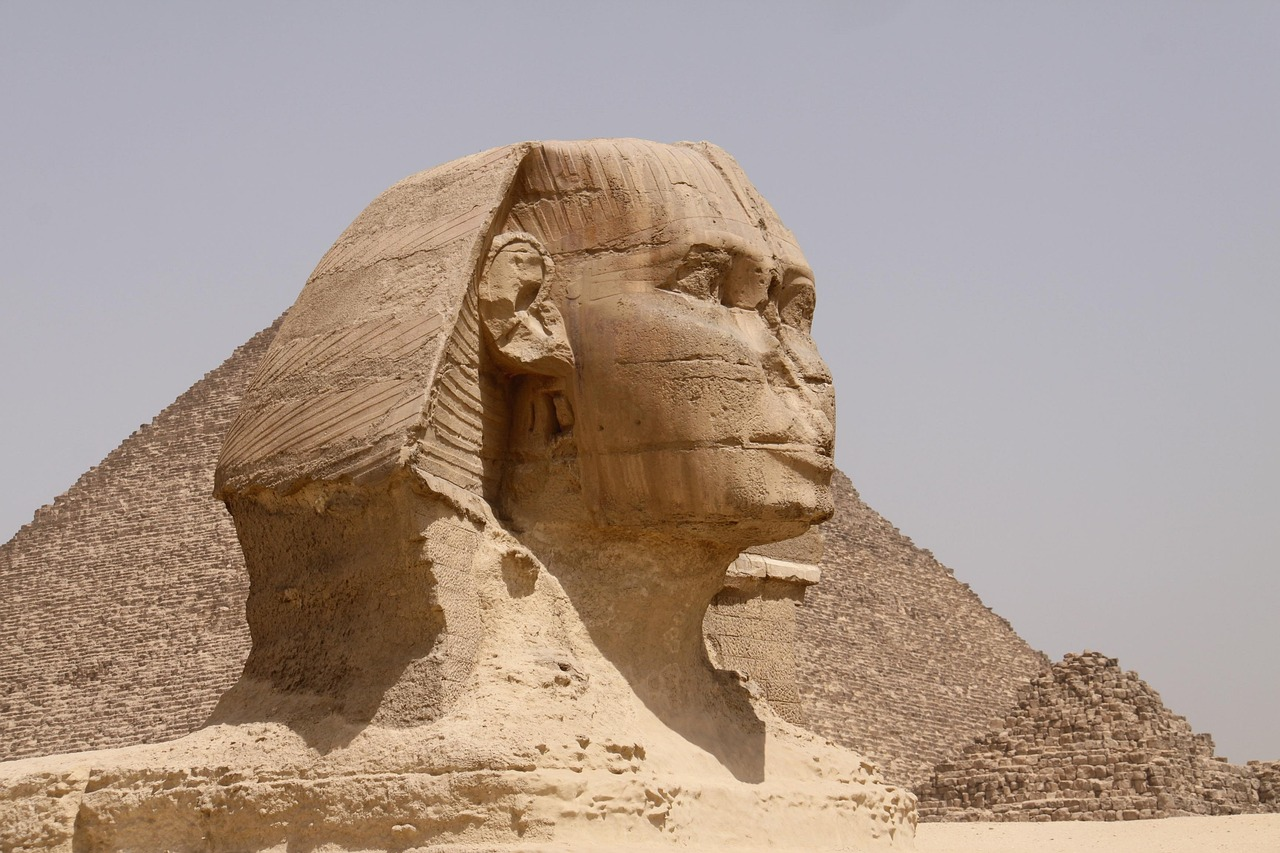
Travel to Egypt is like stepping into a living museum, where every corner reveals layers of history, culture, and natural beauty. Known as the land of the pharaohs, Egypt captivates visitors with its timeless monuments such as the awe-inspiring Pyramids of Giza, the enigmatic Sphinx, and the grand temples of Luxor and Karnak. Yet, beyond its iconic treasures, Egypt offers so much more for those who wish to explore. A cruise along the Nile River takes travelers through the heart of the country, past ancient cities, fertile valleys, and vibrant communities that still reflect traditions thousands of years old.
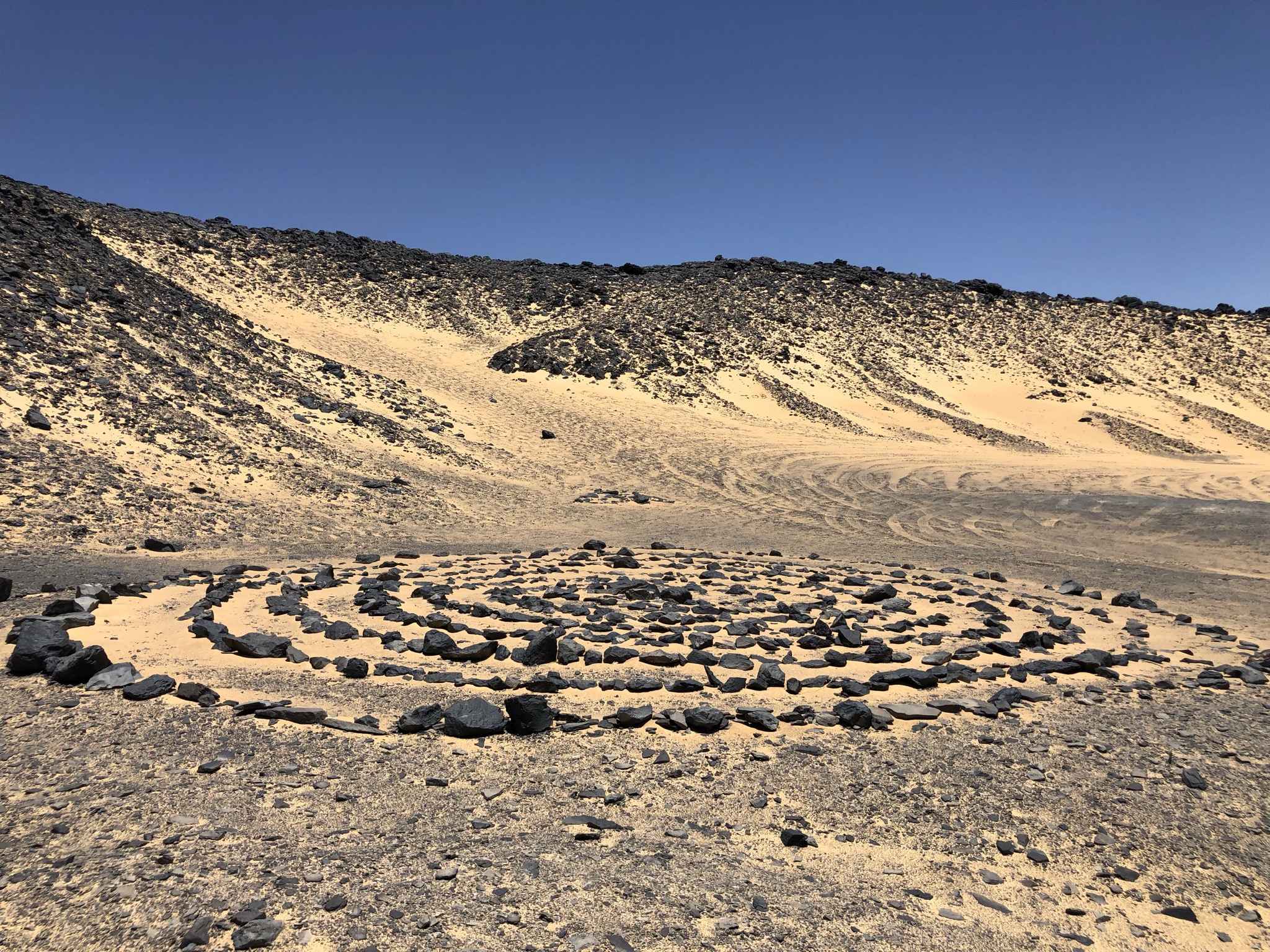
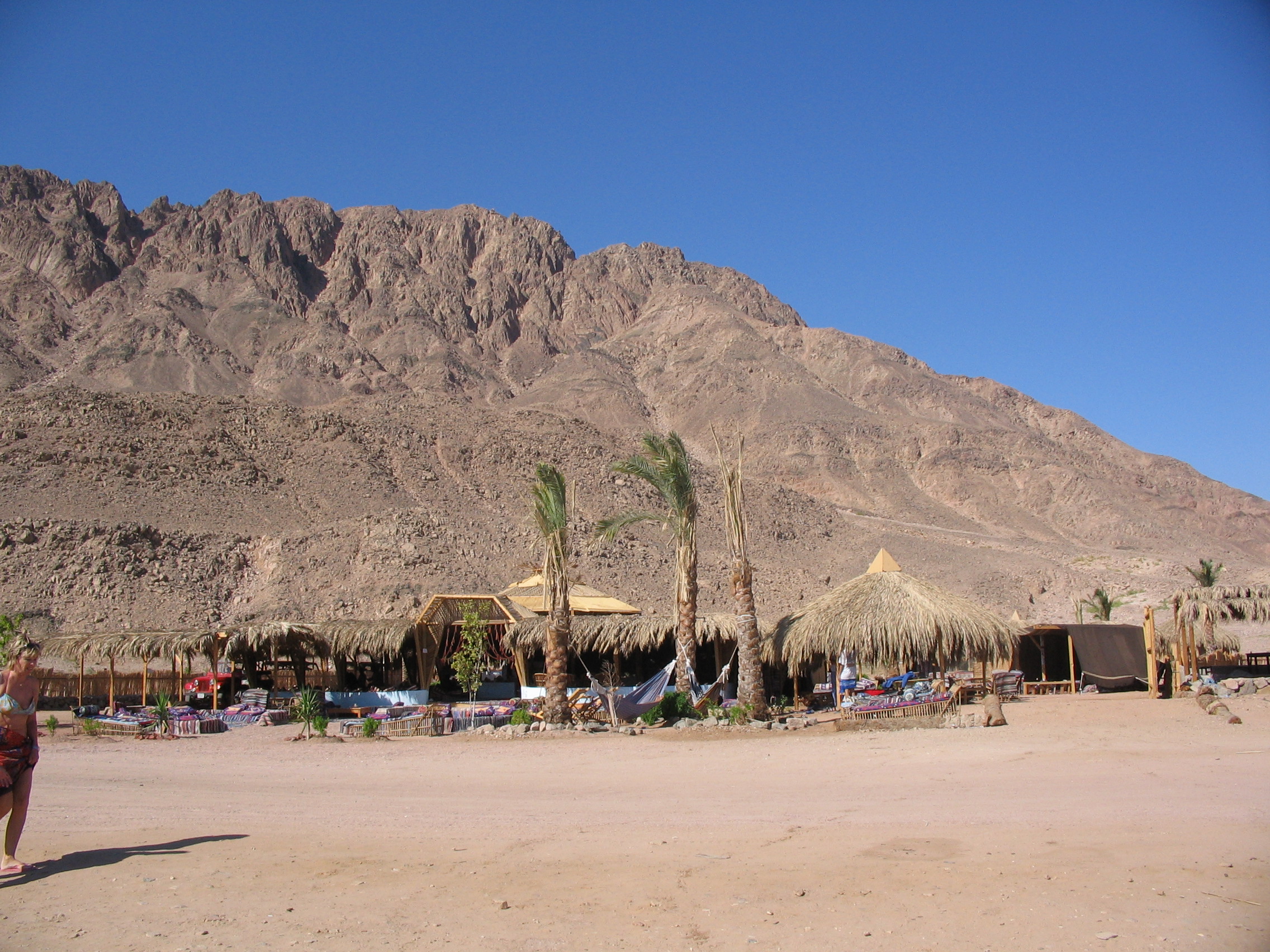
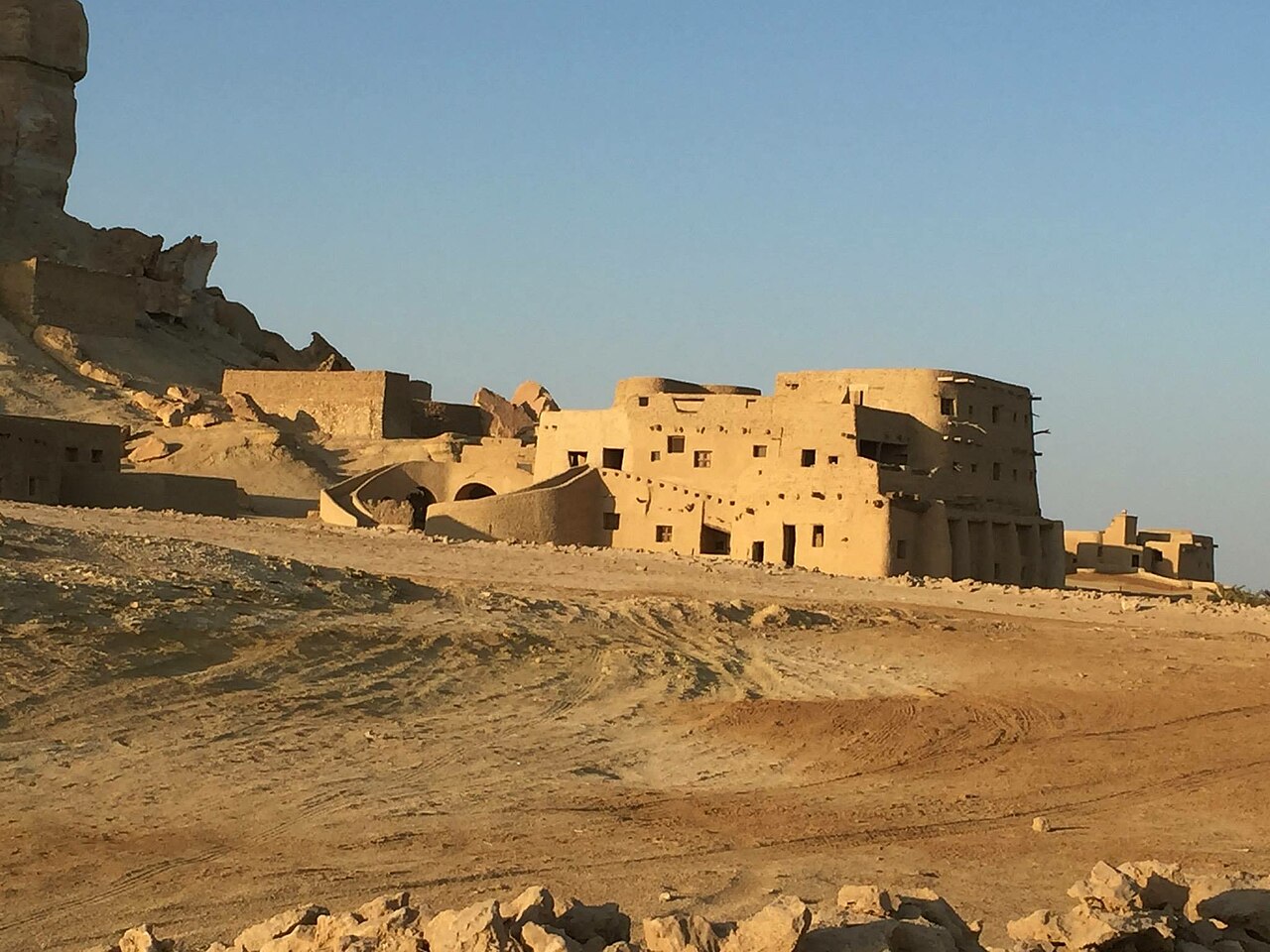
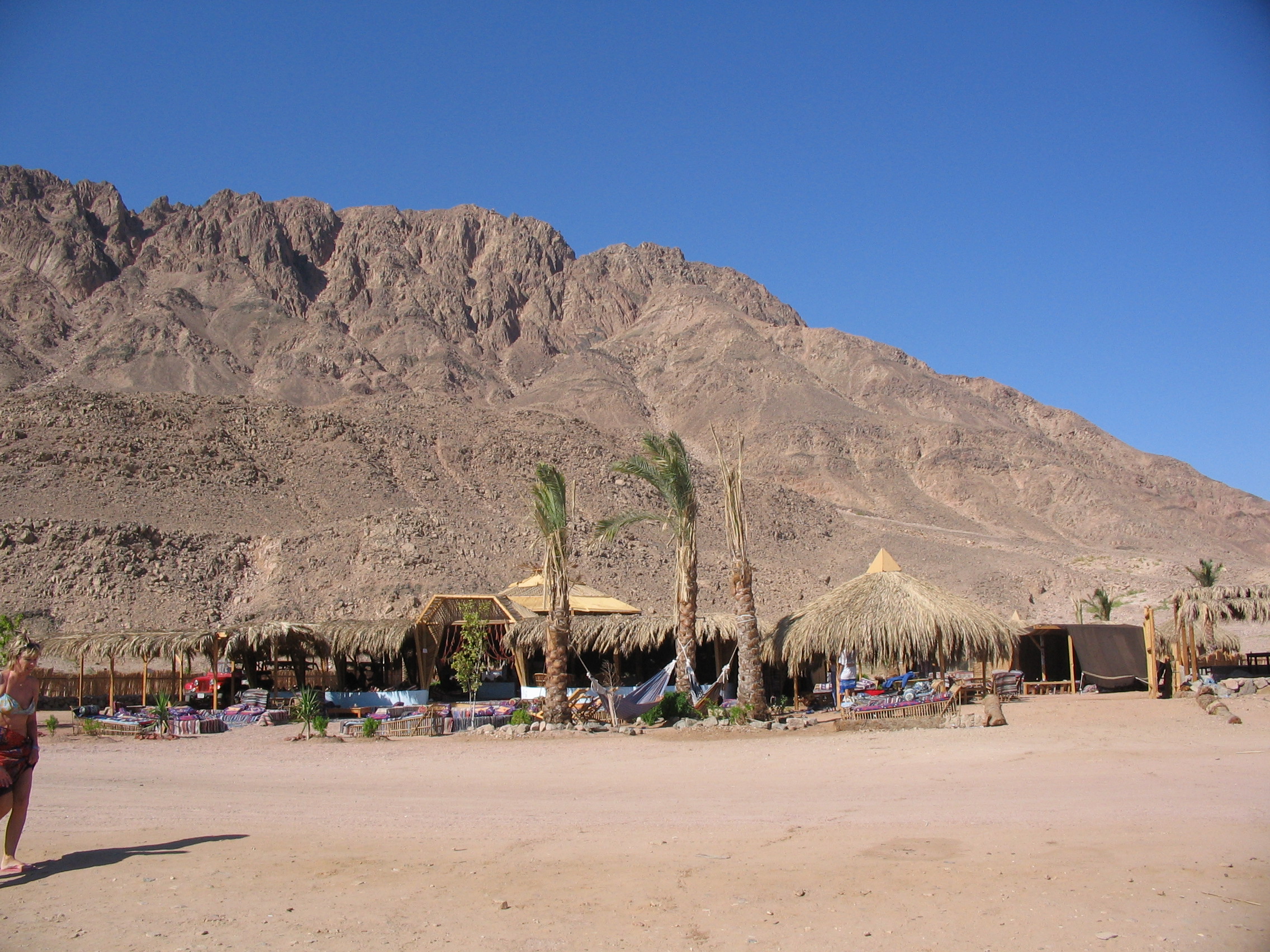
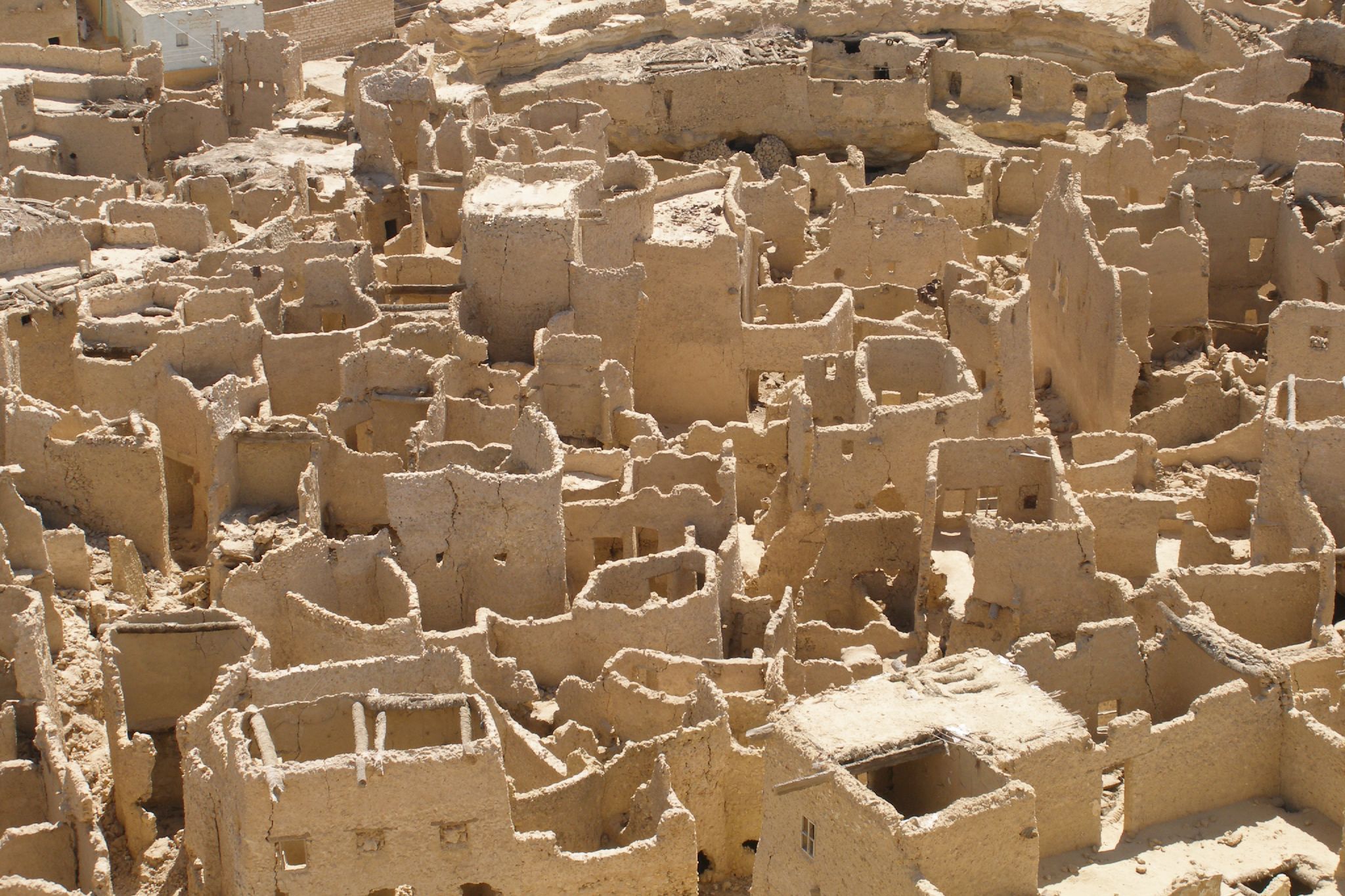
For those seeking relaxation, the Red Sea coast welcomes you with crystal-clear waters, golden beaches, and world-class diving and snorkeling among colorful coral reefs. The deserts of Egypt, vast and serene, invite moments of quiet contemplation, with their endless dunes and hidden oases providing a striking contrast to the bustling energy of cities like Cairo and Alexandria. Meanwhile, charming local markets, authentic cuisine, and the warm hospitality of the Egyptian people enrich every journey, turning Egypt tours into experiences that go far beyond sightseeing.
Whether you dream of tracing the footsteps of ancient rulers, embarking on adventurous desert safaris, or enjoying a peaceful holiday on the shores of the Red Sea, Egypt delivers a tapestry of unforgettable moments. A destination of contrasts and harmony, Egypt blends past and present, spirituality and adventure, making it one of the most rewarding places to visit in the world. With every journey to Egypt, you are not only exploring a land of unparalleled history but also creating your own timeless story.
Embark on a timeless journey through Egypt’s awe-inspiring monuments, enchanting landscapes, and rich cultural treasures, where every step unveils a new chapter of history, wonder, and unforgettable experiences.
Koshari is more than just Egypt’s national dish — it’s a true reflection of the country’s character, where simple ingredients come together to create something deeply satisfying and full of flavor. This iconic meal is built in layers: a base of rice and brown lentils, topped with pasta and chickpeas, then finished with a generous serving of tangy tomato sauce. What truly brings koshari to life is the final touch — crispy fried onions, adding both crunch and a rich, caramelized flavor, along with optional garlic vinegar and spicy chili sauce for those who enjoy an extra kick.
Despite its humble origins, koshari tells a story of cultural influences, believed to have been inspired by a mix of Egyptian, Indian, and Mediterranean traditions. Today, it is enjoyed everywhere — from bustling street-side stalls to dedicated koshari restaurants — making it one of the most accessible and beloved dishes in the country.
Hearty, affordable, and completely plant-based, koshari is often considered the ultimate comfort food in Egypt. Whether enjoyed as a quick lunch in the heart of Cairo or as part of a local culinary experience, it offers travelers an authentic taste of everyday life.
Taameya is one of Egypt’s most beloved street foods, offering a flavorful and distinctly local take on what many know as falafel. Unlike its Levantine counterpart, which is typically made from chickpeas, Egyptian taameya is prepared using crushed fava beans blended with fresh herbs such as parsley, coriander, and dill. This gives it a vibrant green interior and a softer, more delicate texture, perfectly balanced by a crispy, golden exterior achieved through deep frying.
A staple of everyday life, taameya is enjoyed across Egypt from early morning through the day, often served as a quick, satisfying breakfast or a light meal on the go. It is commonly tucked into freshly baked baladi bread and paired with tomatoes, pickles, and a drizzle of tahini sauce, creating a simple yet deeply satisfying combination of flavors and textures. In many neighborhoods, small local eateries and street vendors specialize in taameya, serving it hot and fresh to a steady stream of regulars.
Beyond its taste, taameya reflects the essence of Egyptian cuisine — resourceful, generous, and rooted in tradition. Made from humble, locally sourced ingredients, it has long been an affordable and nourishing option for people from all walks of life. Its preparation and presentation may vary slightly from one place to another, but its role as a comforting, familiar favorite remains unchanged.
Ful medames is one of Egypt’s oldest and most cherished dishes, deeply rooted in the country’s history and everyday life. Made from slow-cooked fava beans, this humble yet nourishing meal has been enjoyed for centuries, with origins that trace back to ancient Egypt. Traditionally prepared over low heat for long hours, the beans develop a rich, creamy texture that forms the heart of this comforting dish.
What makes ful medames truly special is its simplicity and versatility. It is typically seasoned with olive oil, fresh lemon juice, garlic, and cumin, then garnished with ingredients such as chopped tomatoes, onions, parsley, or even boiled eggs. Each region — and even each household — adds its own touch, making every serving slightly different while preserving the essence of the dish.
A staple of Egyptian breakfasts, ful is often enjoyed with warm baladi bread, used to scoop up the flavorful mixture and soak in its aromatic juices. It is both filling and nutritious, providing a steady source of energy to start the day. From early morning street carts to family kitchens, the sight of ful being served is a familiar and comforting part of daily life across the country.
Beyond its taste, ful medames represents the heart of Egyptian cuisine — resourceful, wholesome, and deeply connected to tradition.

Molokhia is one of Egypt’s most distinctive and deeply rooted dishes, known for its rich flavor, comforting nature, and unmistakable texture. Made from finely chopped jute leaves, this traditional dish is cooked into a thick, silky soup that is both hearty and aromatic. Its deep green color and unique consistency make it instantly recognizable, while its flavor — infused with garlic and coriander — gives it a bold and memorable character.
Prepared with great care, molokhia is often cooked in a flavorful broth, typically made with chicken, rabbit, or beef, depending on regional and family preferences. Just before serving, a sizzling mixture of garlic and coriander is added, creating a fragrant finishing touch that defines the dish. It is usually served over rice or alongside warm bread, allowing the rich flavors to fully come together.
Molokhia holds a special place in Egyptian homes, often associated with family meals and traditional gatherings. While it may be unfamiliar to first-time visitors, it is a dish that locals grow up with — one that carries a strong sense of nostalgia and cultural identity.
Mahshi, meaning “stuffed,” is one of Egypt’s most beloved home-style dishes, celebrated for its rich flavors and comforting, homemade feel. It consists of a variety of vegetables — commonly zucchini, eggplant, peppers, cabbage, or grape leaves — carefully hollowed or wrapped and filled with a fragrant mixture of rice, herbs, tomatoes, and spices. Each piece is then gently cooked until tender, allowing the flavors to blend beautifully and create a dish that is both hearty and deeply satisfying.
What makes mahshi truly special is the balance of ingredients and the care that goes into its preparation. The filling is typically seasoned with fresh parsley, dill, and coriander, along with garlic and subtle spices, giving it a vibrant and aromatic character. Slow cooking allows the vegetables to absorb the rich tomato-based broth, resulting in layers of flavor in every bite.
Mahshi is often prepared for family meals and gatherings, where large trays are shared around the table, reflecting the warmth and hospitality that define Egyptian culture.
Hawawshi is one of Egypt’s most popular street food favorites, loved for its bold flavors and satisfying simplicity. At its core, it consists of fresh baladi bread stuffed with a seasoned mixture of minced meat, onions, peppers, and spices, then baked or grilled until perfectly crisp on the outside while remaining juicy and flavorful inside. The result is a golden, crunchy loaf that delivers a rich and aromatic bite with every mouthful.
What sets hawawshi apart is the depth of flavor packed into such a simple dish. The meat filling is typically blended with garlic, parsley, and a mix of warm spices, creating a savory profile that is both comforting and full of character. As it cooks, the juices from the meat soak into the bread, enhancing its taste while maintaining a satisfying texture.
A staple of Egypt’s street food culture, hawawshi is often enjoyed as a quick meal on the go or as a casual dish shared among friends. It’s commonly served hot, sometimes accompanied by pickles, tahini, or fresh salads that add a refreshing contrast to its richness.
Basbousa is one of Egypt’s most beloved desserts, known for its soft, moist texture and delicately sweet flavor. Made from semolina, sugar, butter or ghee, and yogurt, this classic treat is baked to a golden perfection before being soaked in a fragrant sugar syrup, often infused with rose water or orange blossom. The result is a rich yet balanced dessert that melts in the mouth while retaining a slightly grainy texture from the semolina.
What makes basbousa truly special is its versatility and the subtle variations found across different regions and households. It is often topped with almonds or sprinkled with coconut, adding both flavor and a gentle crunch. Some versions are lighter and airy, while others are denser and more indulgent, but all share the same comforting sweetness that makes it instantly recognizable.
Basbousa is commonly served during celebrations, family gatherings, and festive occasions, but it is equally enjoyed as an everyday treat alongside a cup of tea or coffee. Its simplicity and richness reflect the essence of Egyptian desserts — generous, flavorful, and made to be shared.